Author Archives: travelswithourvan

Monday 13th and Tuesday 14th July – Chateauneuf-du-Pape and Marseille

Standard

Looking for somewhere to spend the night before a visit to Marseille the next day to see relatives of Flavio from Alexandria, we found an interesting campsite deep in Chateauneuf-du-Pape country, surrounded by vineyards.  As for the whole of the Midi, the ground was very dry and we noticed the soil under the vines was more pebbly and porous.

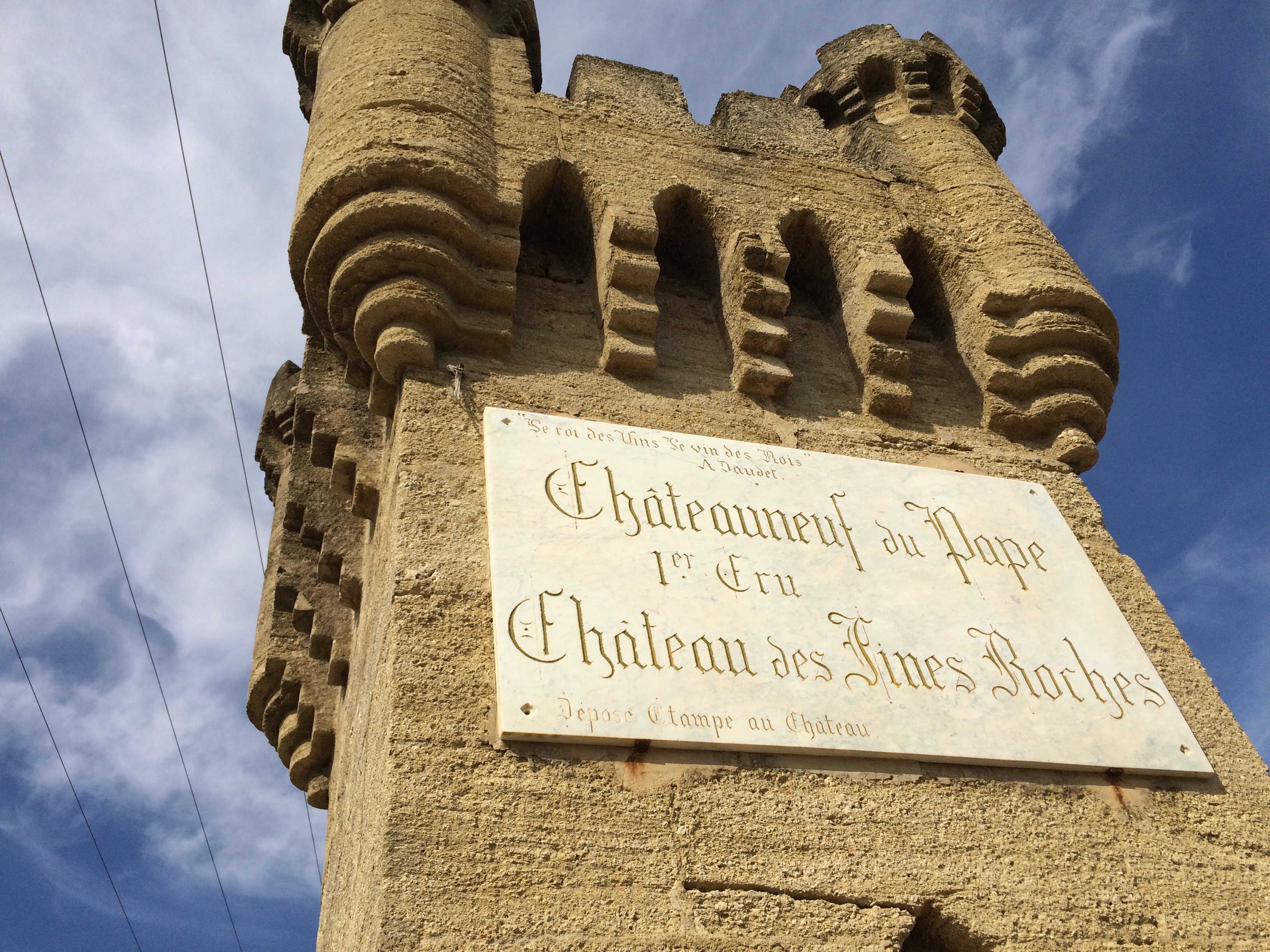
The grand entrance to the Chateau La Nerthe in the Chateauneuf-du-Pape denomination.

The grand entrance to the Chateau La Nerthe in the Chateauneuf-du-Pape denomination.


Soil dry and more pebbly than other wine growing regions we'd seen.  Does this account for the special quality of the wine?

Soil dry and more pebbly than other wine growing regions we’d seen. Does this account for the special quality of the wine?


A lovely friendly and informal campsite, perfect apart from the deafening  noise from the cicadas.   It really was a loud and never-ending din. The surrounding trees were covered in the ‘shells’ of the cicadas. Amazingly, they live underground for most of their lives, living on sap from roots of trees. They exit the earth, climb the trees, shed their skins go up in the trees, mate, lays eggs and spend the rest of their short lives making maddening noises in campsites! The eggs they lay fall to the ground and once hatched they burrow underground and the cycle goes on.

We put up the hammock given to Flavio as a birthday present by our son Simon and his girlfriend Lucy when we visited them in Indonesia for Christmas and New Year.  It was great and Flavio managed to fall asleep in it despite the cicadas!

Discarded cicada shell - there were hundreds of them stuck to the trunks of trees.

Discarded cicada shell – there were hundreds of them stuck to the trunks of trees.


Finally trying out the hammock - managed to fall asleep despite the cicadas!

Finally trying out the hammock – managed to fall asleep despite the cicadas!


The next morning was Bastille Day and a holiday in France.  We bought two bottles of the good stuff and set off  for Marseille to visit relatives of Flavio’s not seen for a long time.  It was lovely to see Titi (Florence), Christian, his wife Aurelie and the gorgeous twins Ella and Rose after such a long time and we had a wonderful lunch.  Surrounding us throughout it all was the memory of Joseph Fares (Zouzou) who was a truly remarkable man and doctor and pillar of Alexandrian society who donated half his time to offering free consultations to poor Egyptians, quite apart from his cultural and other philanthropic work.

We had been to Marseille many years ago (around 1990!) when we travelled down to the south in our old VW beetle where we parked it and took a ferry to Corsica.  We decided therefore to skip a further visit of the city and to ‘truck on’ to our next destination a propos of which we were very fortunate to have some very good advice from Christian.

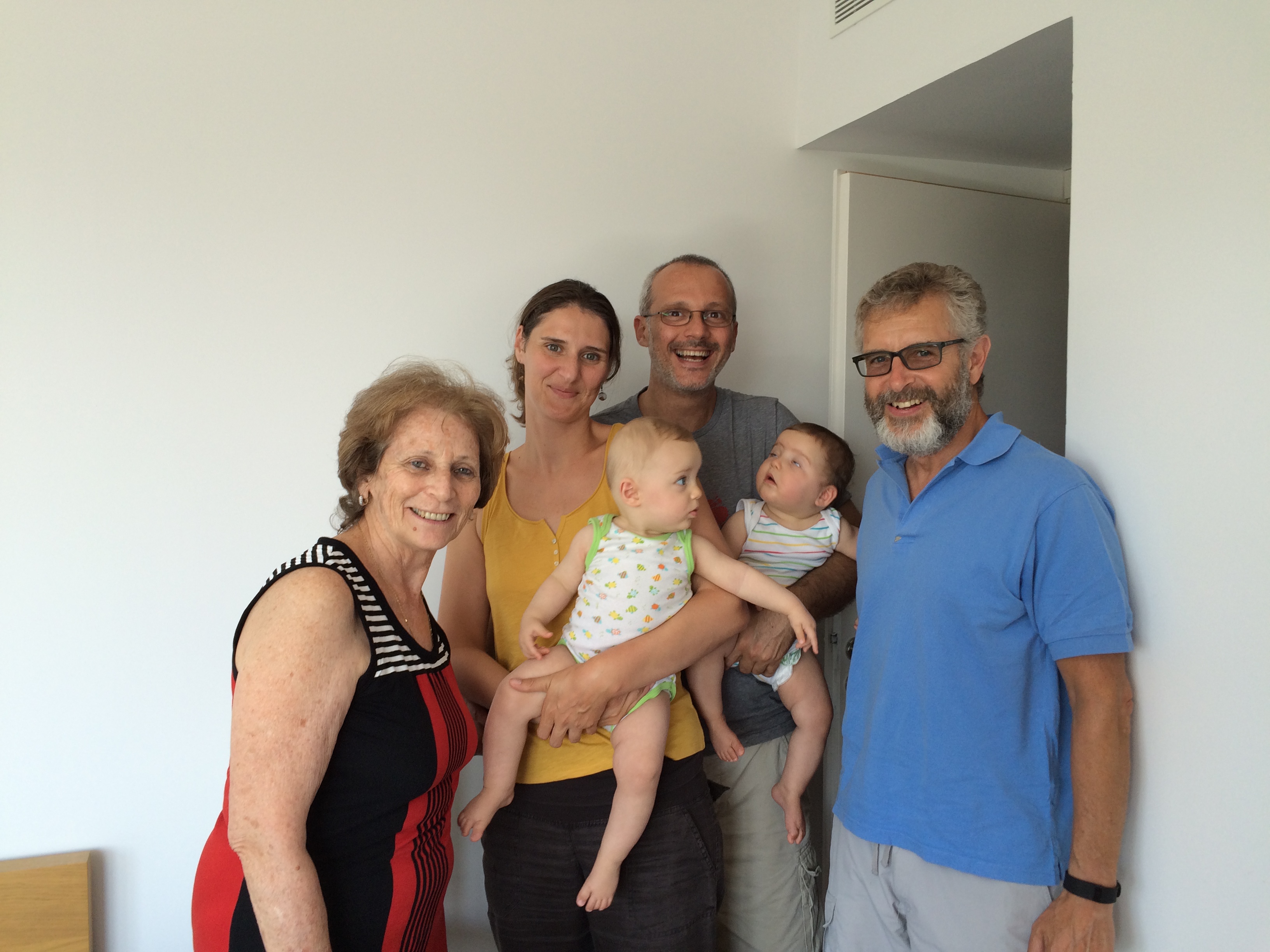
A lovely day spent in Marseille with Titi, Christian, Aurelie and the twins Ella and Rose.

A lovely day spent in Marseille with Titi, Christian, Aurelie and the cute twins Ella and Rose.


IMG_4021

Monday 13th July – Avignon, ‘home of the Popes’

Standard

IMG_3991

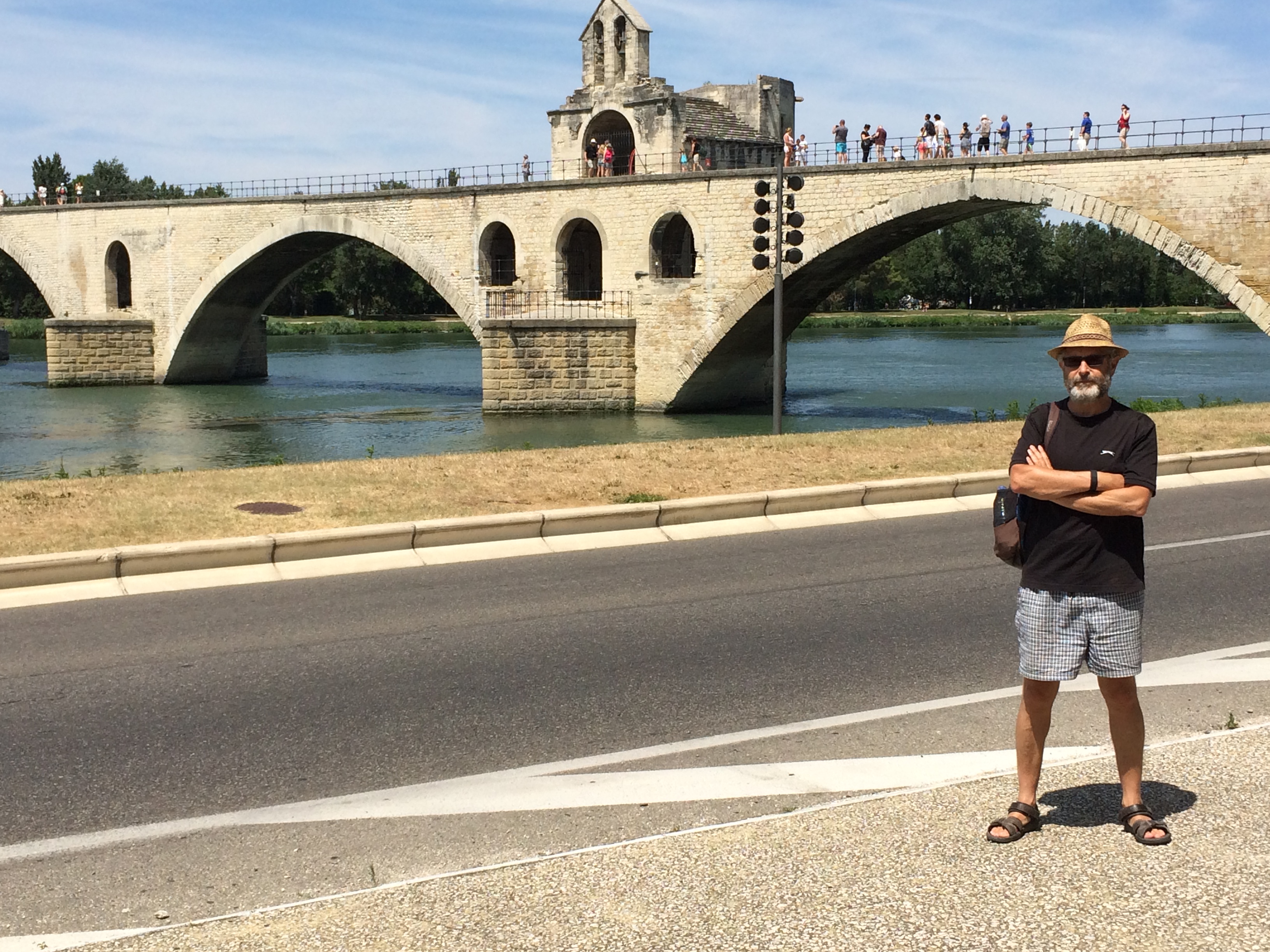
What a beautiful city, with its old town centre surrounded by medieval stone ramparts. Our arrival coincided with the Avignon Festival, very similar to the Edinburgh Festival, so the city was crowded. Avignon, a city in the Departement of Vaucluse in Provence, is set on the Rhône River. From 1309 to 1377, it was the seat of the Catholic popes, and remained under papal rule until becoming part of France in 1791, during the French Revolution.  At one time, there was a rival papacy in Avignon to that of Rome. At the centre of Avignon is the massive Palais des Papes and nearby the remains of the Saint-Bénezet bridge, more famously known as the Pont d’Avignon.  The city attracts 4 mil tourists a year including 150k or so who come for the annual festival.  We didn’t go ‘sur le pont’ but did go ‘devant le pont’.

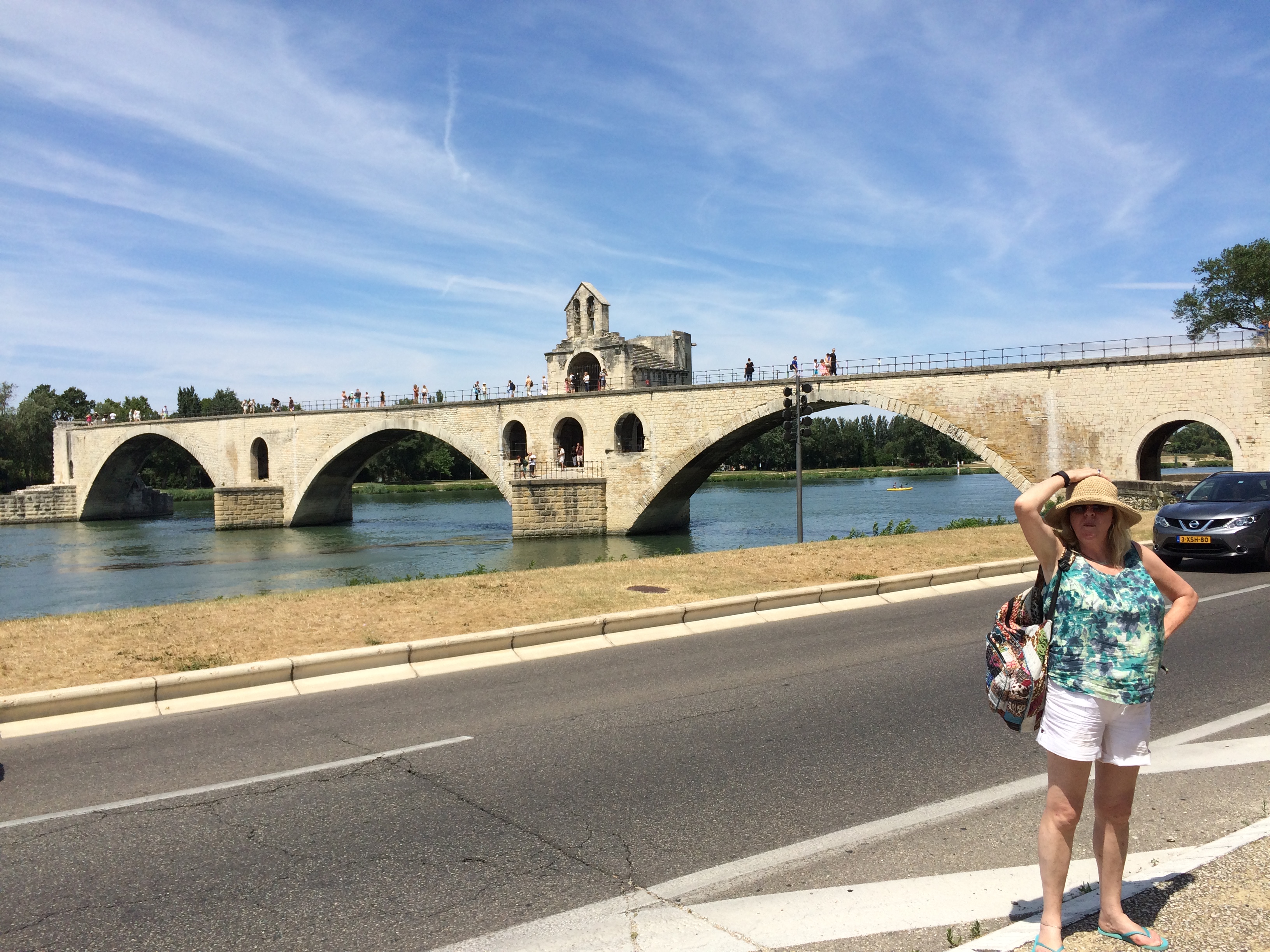
Not 'sur' but 'devant' le Pont d'Avignon..

Not ‘sur’ but ‘devant’ le Pont d’Avignon..

'.. on croise les bras??'

‘.. on croise les bras??’

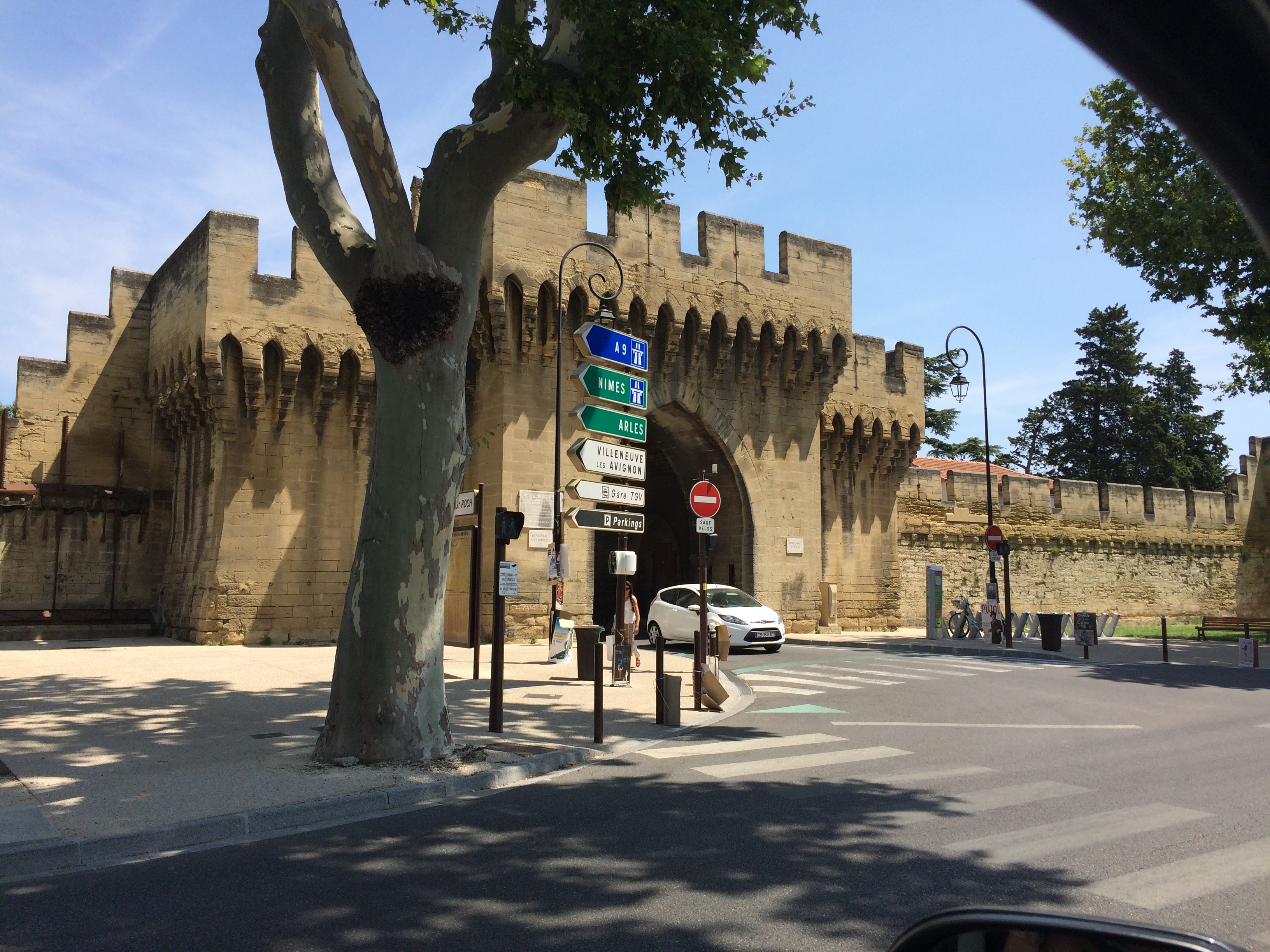
What’s impressive about Avignon as you approach the city is its beautiful and very well-preserved 14th century ramparts.  Avignon is in fact one of the few French cities to have preserved its old walls. Around 12,000 of the city’s 90,000 inhabitants live within the old centre.

The 'Porte St Roch' gate in Avignon.

The ‘Porte St Roch’ gate, part of the old ramparts of Avignon old town.

4 mil visitors annually.

4 mil visitors annually

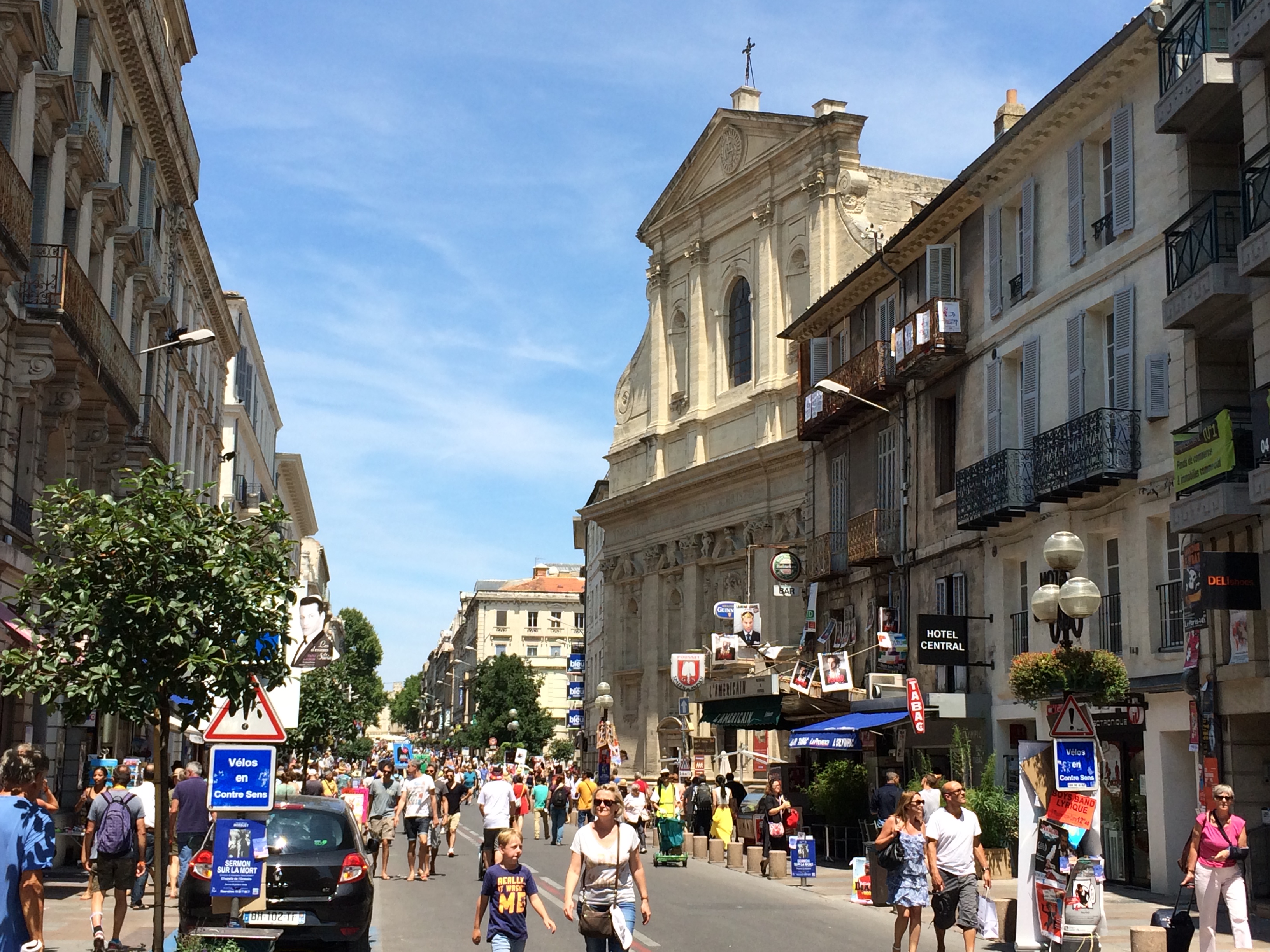
The town was vibrant and brimming with cultural activities of all kinds.  It was good to see dozens of young people enthusiastically promoting plays which would be staged that night.  They surely can’t make very much profit out of these and they must do it out of sheer passion.  We were leafleted several times by friendly amateur actors who, when we explained we were only there for the afternoon, would simply say good-naturedly “merci pour etre venus” (thank you for coming).

We arrived during the annual cultural festival with dozens of young people promoting their plays and cultural events.

We arrived during the annual cultural festival with dozens of young people promoting their plays and cultural events.

Someone playing the Oud near the main square.

Someone playing the Oud near the main square.

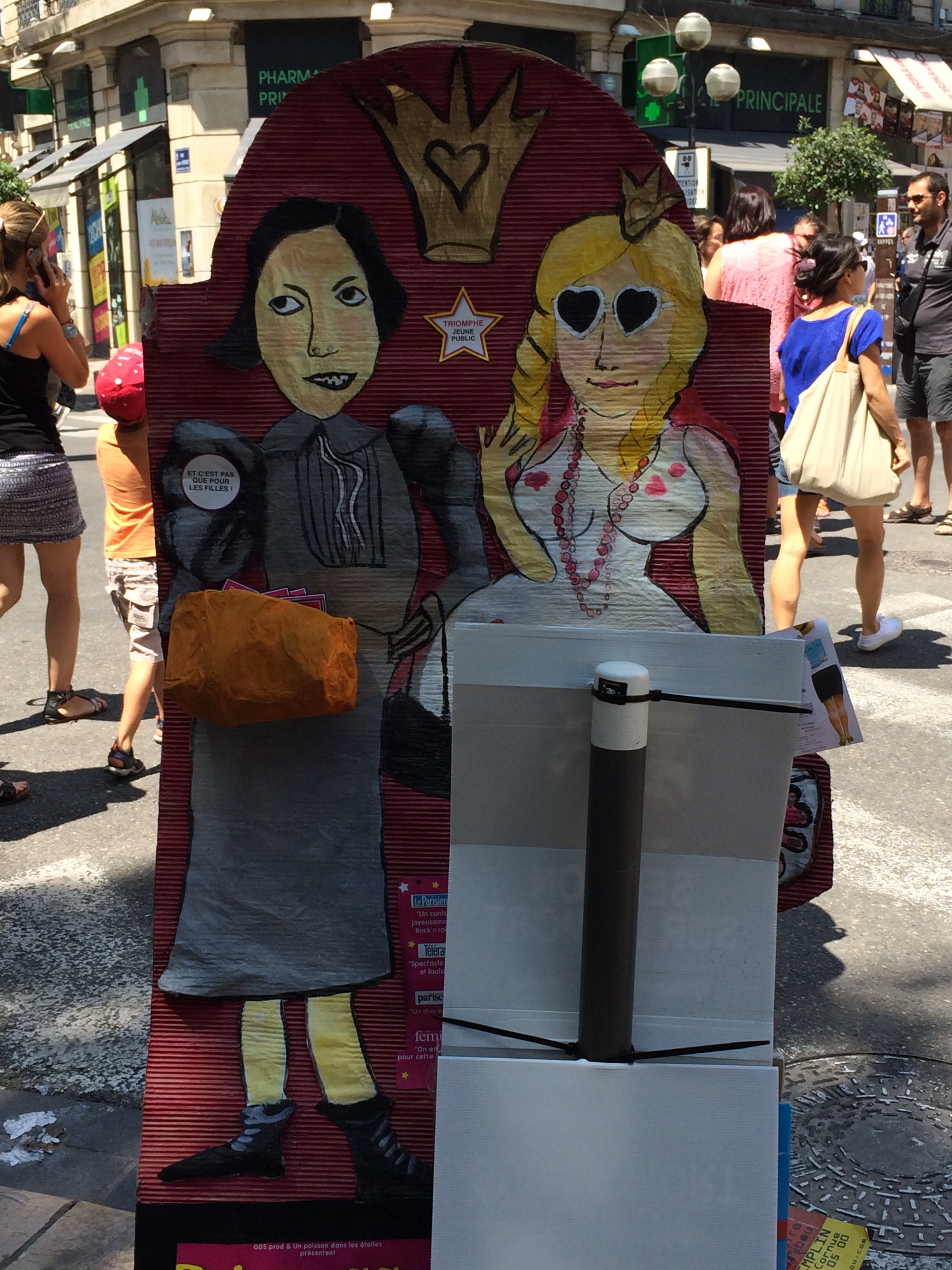
Advertising another cultural event.

Advertising another cultural event.

IMG_4006

Massage being offered in front of the old Mint on the main square.

1

A quaint old building on the 'Promenade des Papes'.

A quaint old building on the ‘Promenade des Papes’.

The Palais des Papes and behind it, the Cathedral built in 1100 and later renovated in characteristic Provencal Romanesque style.

The Palais des Papes and behind it, the Cathedral built in 1100 and later renovated in characteristic Provencal Romanesque style.

The mighty Rhone at Avignon.

The mighty Rhone at Avignon.

Old door of the 'Eglise des Minimes' church where Cardinal Richelieu once said mass.

Old door of the ‘Eglise des Minimes’ church where Cardinal Richelieu once said mass.

IMG_4008

9th to 11th July – The Languedoc and Aude, Pays Cathare

Standard

Kill them all. God will know his own.” Thus spoke the battle commander, Cistercian Abbott and holy man, Arnaud Amaury, in charge of the sacking at Beziers at the start of the Albigensian crusade in 1209. The only crusade against a Christian country, instigated by Pope Innocent III which killed more than half a million men, women and children in the Languedoc over two decades.

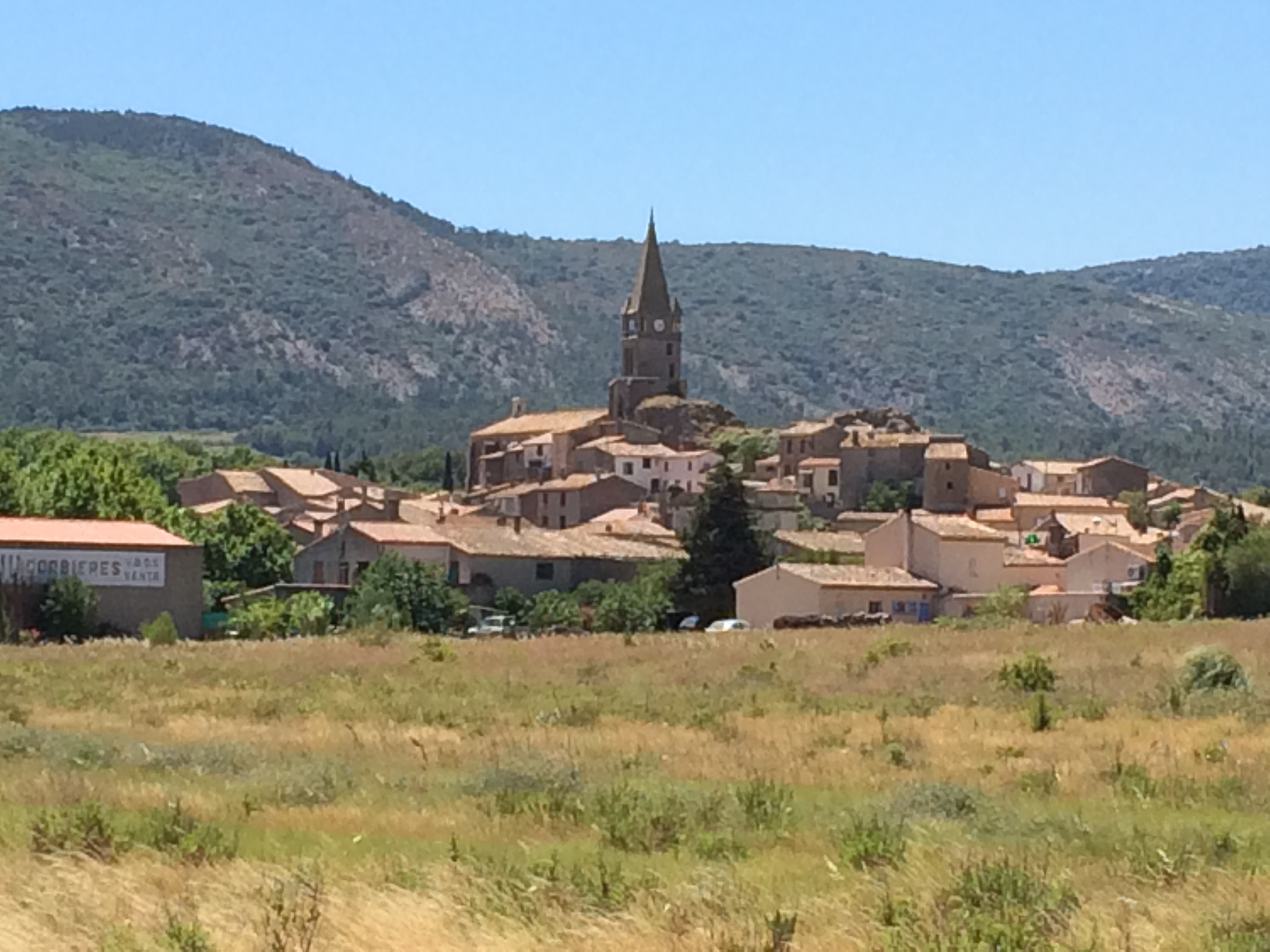
The village of Fontcouverte in the Languedoc.

The village of Fontcouverte in the Languedoc.

The Languedoc, also called Pays Cathare (Cathar country) as is the whole Departement of the Aude, consists of the central region of the south of France including the western Mediterranean coast, stretching from the Rhone valley in the east to the Spanish border in the south west, and is one of France’s major wine-growing areas and known for its Cotes de Rhones and of course, Chateau-Neuf-du-Pape.  It is breathtakingly beautiful – vast fertile lands, mountains, valleys and, as you drive through, the fortresses and abbeys high in the hills giving witness to the time of the Cathars. It’s impossible to talk about the Languedoc without reference to the Cathars. Who were they?

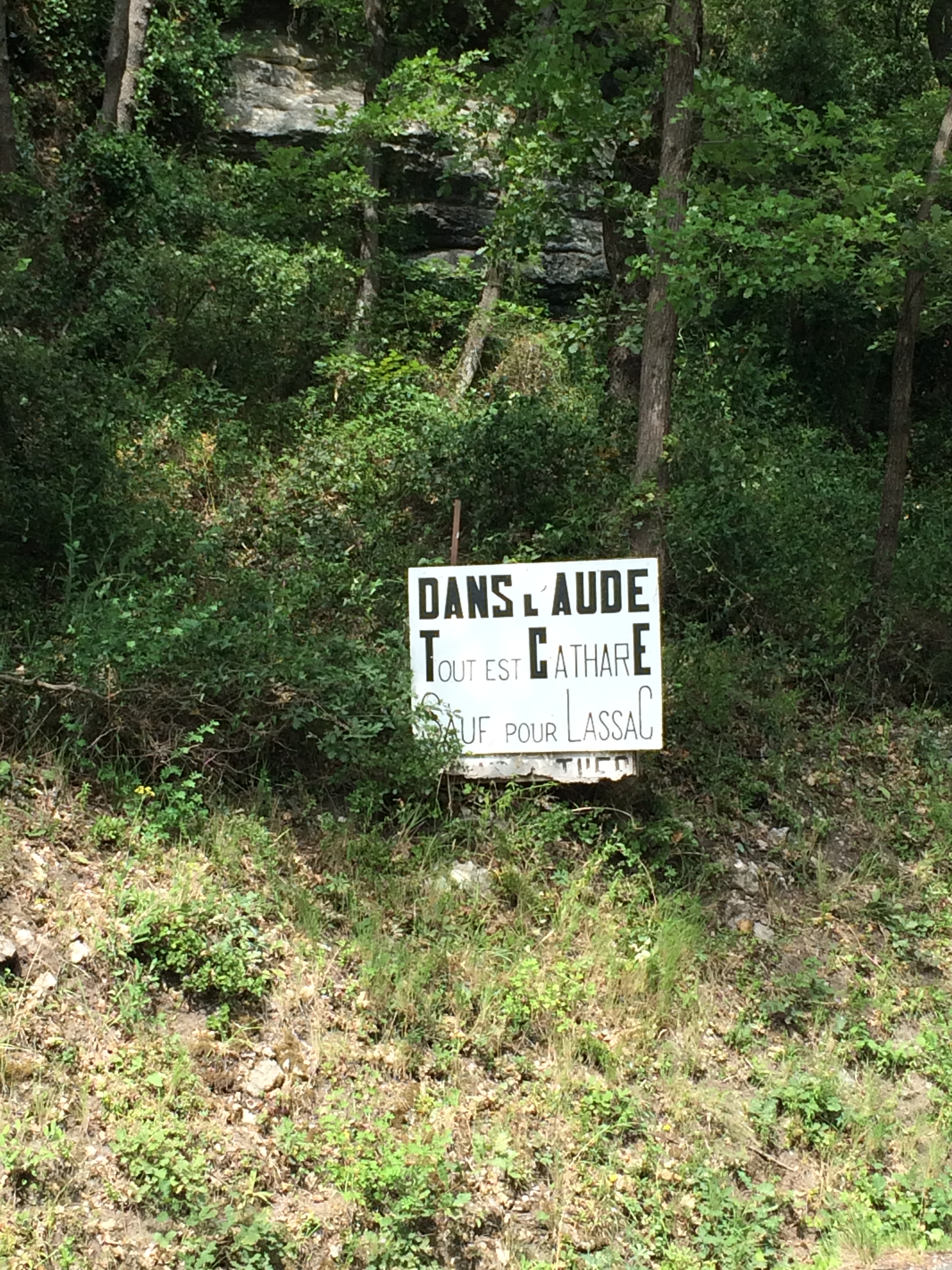
The Aude is Cathar

All along the route to Lastours, banners proclaiming “In the Aude, all is Cathar except Lassac” in a protest against plans to set up a landfill site there.

The origins of the Cathars remain a mystery but they first appeared in Europe in the 11th century. As ‘Dualists’ they believed in two principles – a good creator God and his evil adversary, the devil. Cathars called themselves Christians but rejected any idea of priesthood or the use of church buildings. Cathar faith consisted of believers, secular people and ‘Parfaits’ (good Christians) who had renounced worldly pleasures and lived a monastic life. They were the ‘clergymen’ who had received baptism (consolamentum) and would administer the baptism of the dying to secular believers. They had one prayer, the Lord’s Prayer, they were strict in their adherence to poverty, honesty, not killing and not swearing oaths. They regarded women as equals and that all non-procreative sex was better than procreative sex. Apropos this, Catholic propaganda of the time referred to this as ‘bugger’, from the word Bougre.

Prior to the crusade the Languedoc was known for its wealth, high culture, tolerance and liberalism.  It was the land of the Troubadour and chivalry. The language of Oc was the language of culture. The Cathar faith became the major religion in the area, supported by the nobility as well as the common people. This was most probably in response to the corrupt and decadent Roman Catholic Church of the time which tried to fight Catharism with propaganda, debate, creating new religious orders that embraced poverty. When all proved unsuccessful, there was only one option left – the Albigensian Crusade.

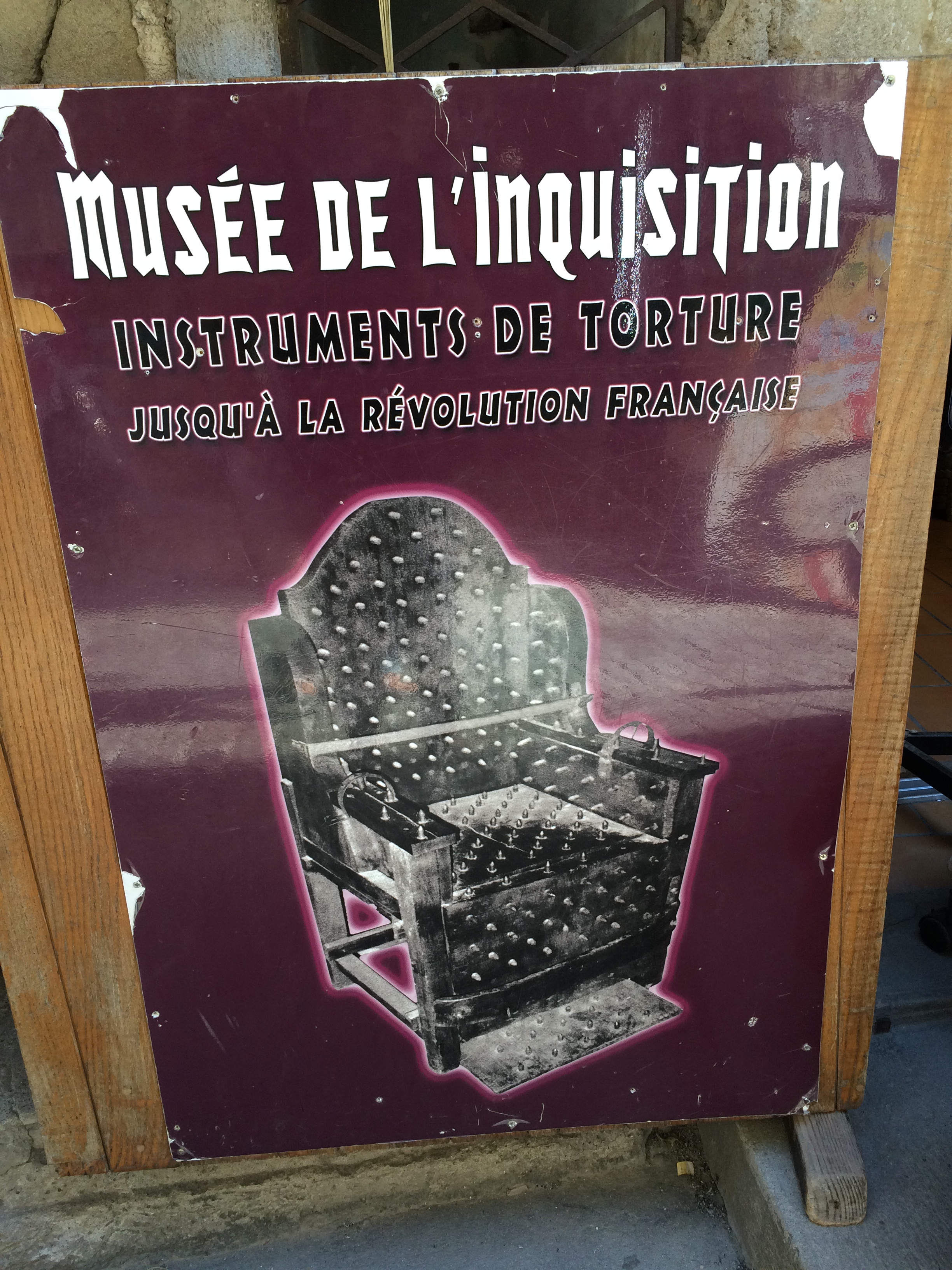
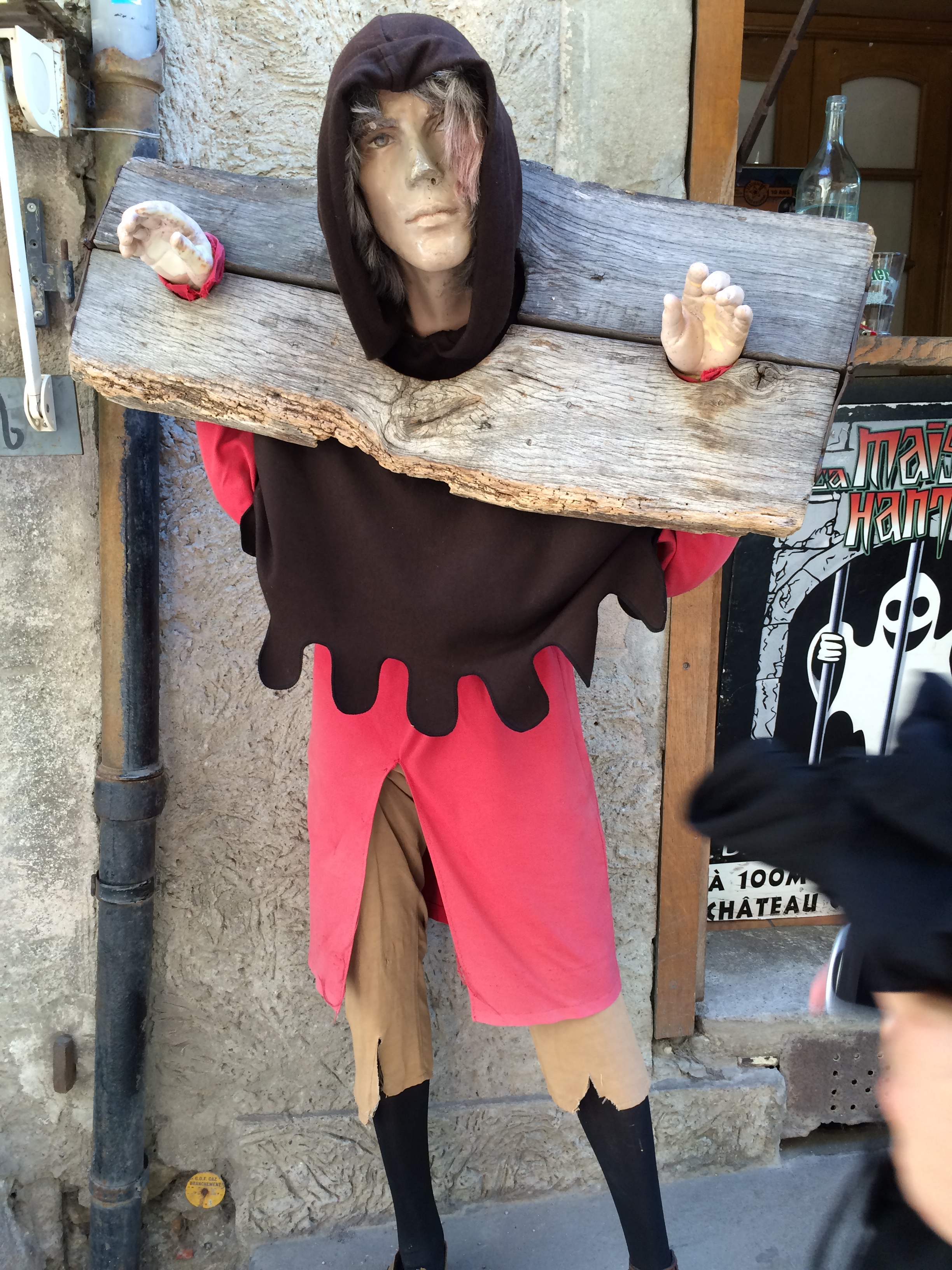
The 'Inquisition' spread to include heretical catholics in the Albigensian crusade.

The ‘Inquisition’ spread to include heretical catholics in the Albigensian crusade.

IMG_3872

The annihilation of the Cathars laid the groundwork for later inquisitions.

From 1209, a war of terror was waged against the indigenous population of the Languedoc and their rulers. The Crusaders killed locals indiscriminately, Catholics as well as Cathars. Lands were annexed to France. Educated and tolerant Languedoc rulers were replaced by much less tolerant ones.  Dominic Guzmán (later Saint Dominic) founded the Dominican Order, which became a ‘papal police force’, to wipe out the last vestiges of resistance. Persecution of Jews and other minorities was initiated and the culture of the Troubadours and their sophisticated world-view was lost. Lay learning was discouraged and the reading of the bible became a capital crime.  The end-result was the economic decline of the Languedoc to become the poorest region in France. The language of the area, Occitan, once the foremost literary language in Europe became a disparaged regional dialect referred to as patois.

The crusade provided proof that a sustained campaign of genocide and terror can work and the annihilation of the Cathars laid the groundwork for later inquisitions and genocides. As Voltaire said “there was never anything as unjust as the war against the Albigensians”.

Despite this, as you travel around there is an enduring echo of the Cathars in the Languedoc which we became very aware of during our stay. Our campsite, the Camping de Montolieu, was a small, relaxed, friendly and family-run campsite just outside Montolieu, a lovely village which rivals Hay on Wye in second-hand book shops. Despite the shortage of space in Brenda Flavio managed to purchase two old hardbacks – Corneille’s Tragedies and JJ Rousseau’s Emile.
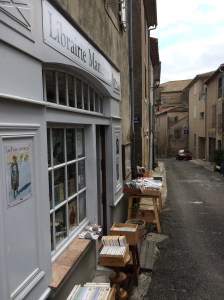
IMG_3939

Montolieu – “village du livre”.

What better way to start our journey of discovery of the Pays des Cathars than from such a charming campsite – that was until a group of ‘travellers’ arrived to challenge our liberal views and the nerves of all other campers on the site. The party consisted of three families of 18 adults and children who proceeded to turn the campsite into a noisy, disruptive nightmare. A buffer zone was soon established as campers quietly moved to positions farther away. The travellers left after two days to a collective sigh of relief from the remaining campers and the charming owners, Nicole and Andre. They left behind a trail of destruction and took with them a bicycle from the camp and a bra of Judith’s from the washing line.   Despite them we had a great time and they in fact created a bonhomie among fellow campers and kept us all going through dinner that evening.


The charming small and (usually) quiet Camping Montolieu and its convivial atmosphere.

The charming small and (usually) quiet Camping Montolieu and its convivial atmosphere.

Whilst there we cycled into Carcasonne partly along the

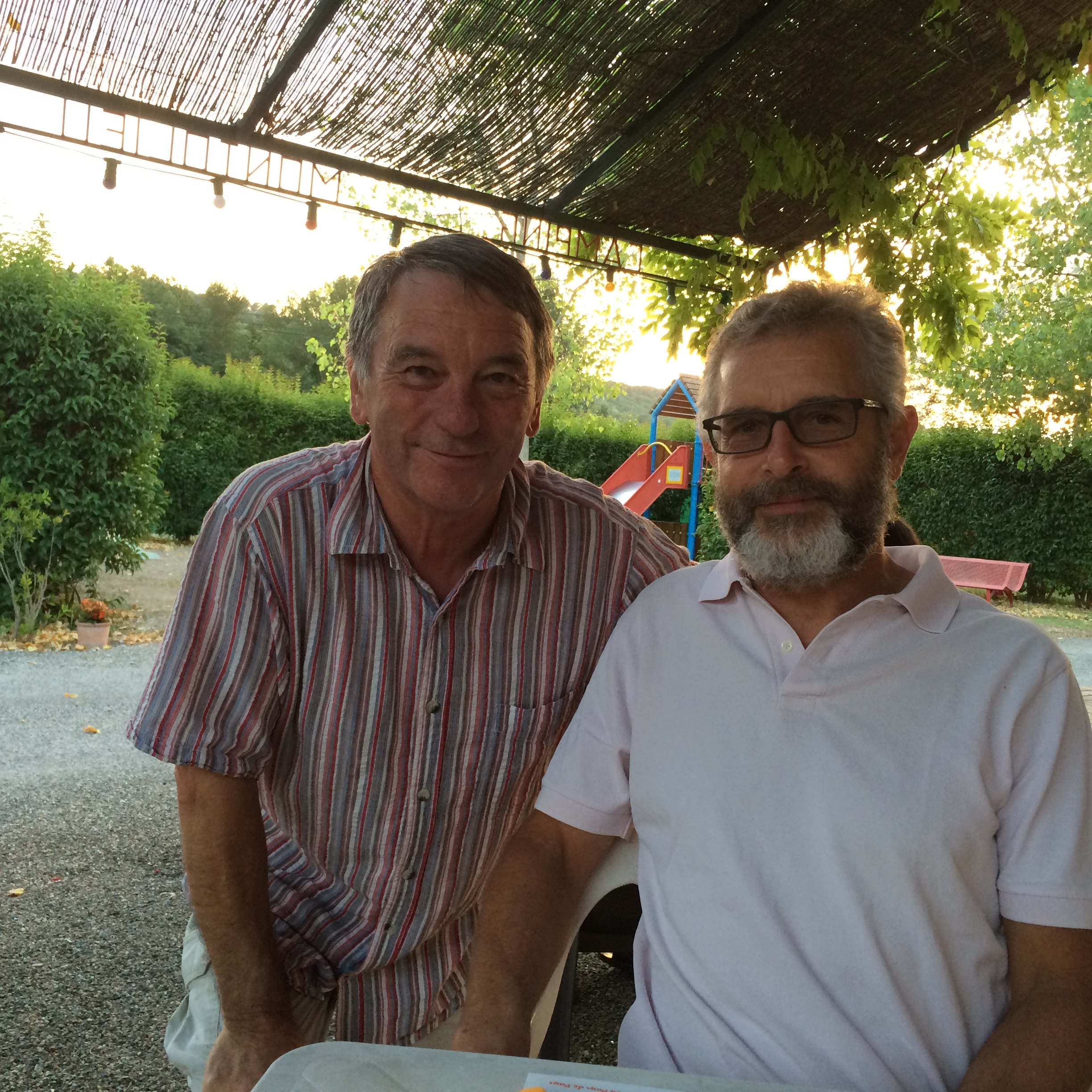
We really liked Andre who runs the Camping Montolieu with Nicole.  Loved the accent and the way he rolled his 'rs' like a lot of people from the region.

We really liked Andre who runs the Camping Montolieu with Nicole. Loved the accent and the way he rolled his ‘rs’ like a lot of people from the region.

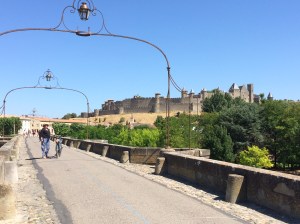
Midi canal. Carcasonne is famous not only for Kevin Costner and Alan Rickman in ‘Robin Hood Prince of Thieves’ there but also for its medieval fortress, Cite de Carcasonne with two outer walls, 53 towers, a drawbridge and ditch. Carcassonne played a role in the Albigensian Crusades, when the city was a Cathar stronghold. In August 1209 the crusading army of the Abbot Arnaud Amalric forced the surrender of the city. The Viscount of Carcassonne, Raymond-Roger de Trencavel was imprisoned whilst negotiating his city’s surrender and died in mysterious circumstances three months later in his dungeon.

Cycling to Carcassonne, we lost the path and had to cross through vineyards.
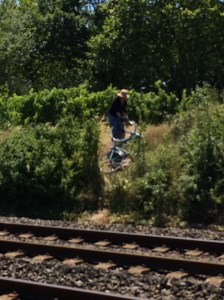
Cycling to Carcassonne, we lost the path and had to cross through vineyards.


.. and over railway tracks!
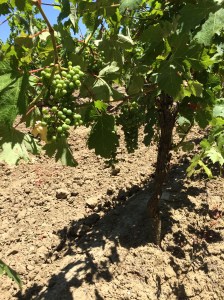
.. and over railway tracks!


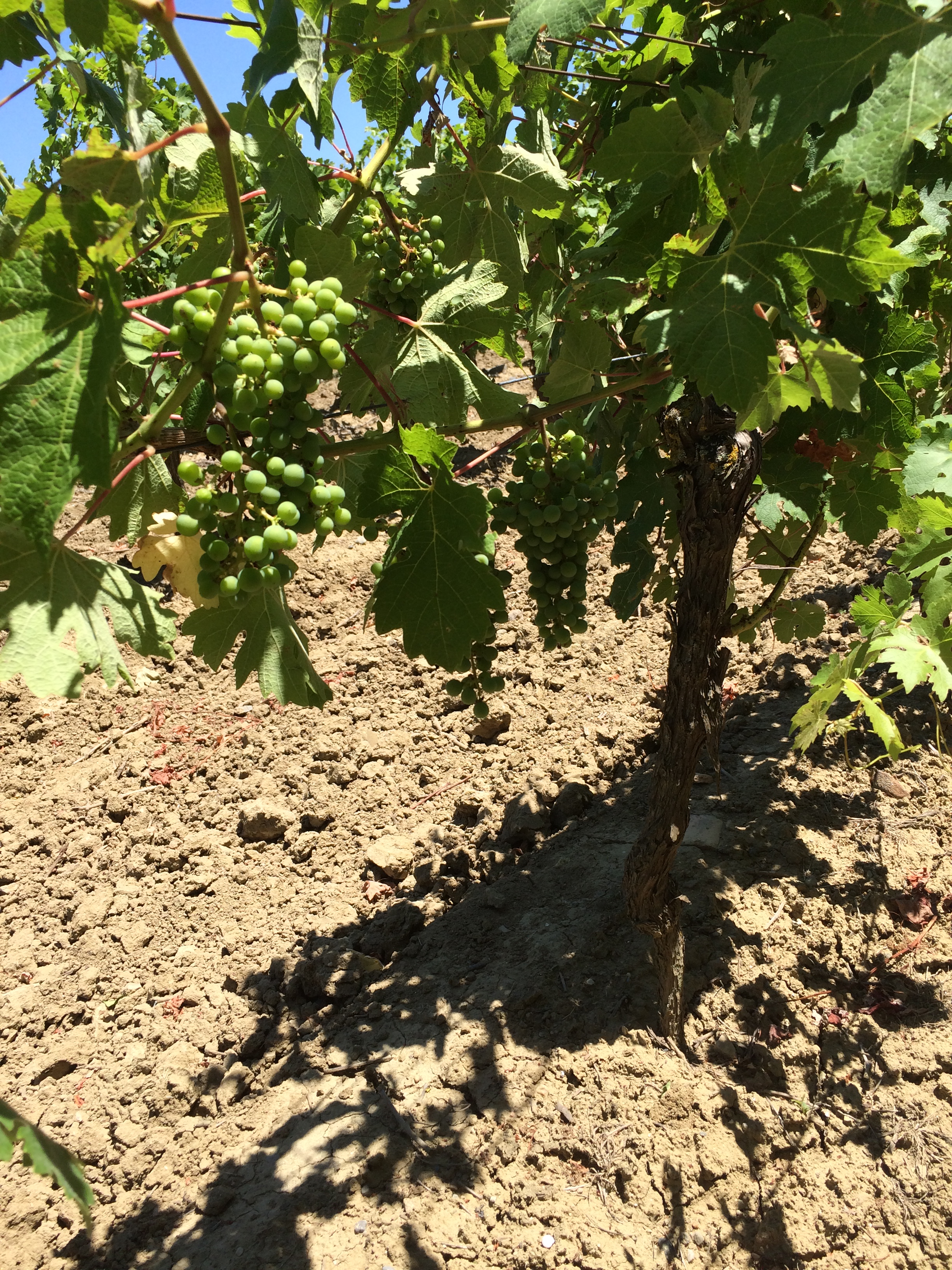
After a long drought, the soil was very dry and grapes not well-formed for the time of year. The sunflowers too were very small.

After a long drought, the soil was very dry and grapes not well-formed for the time of year. The sunflowers too were very small.


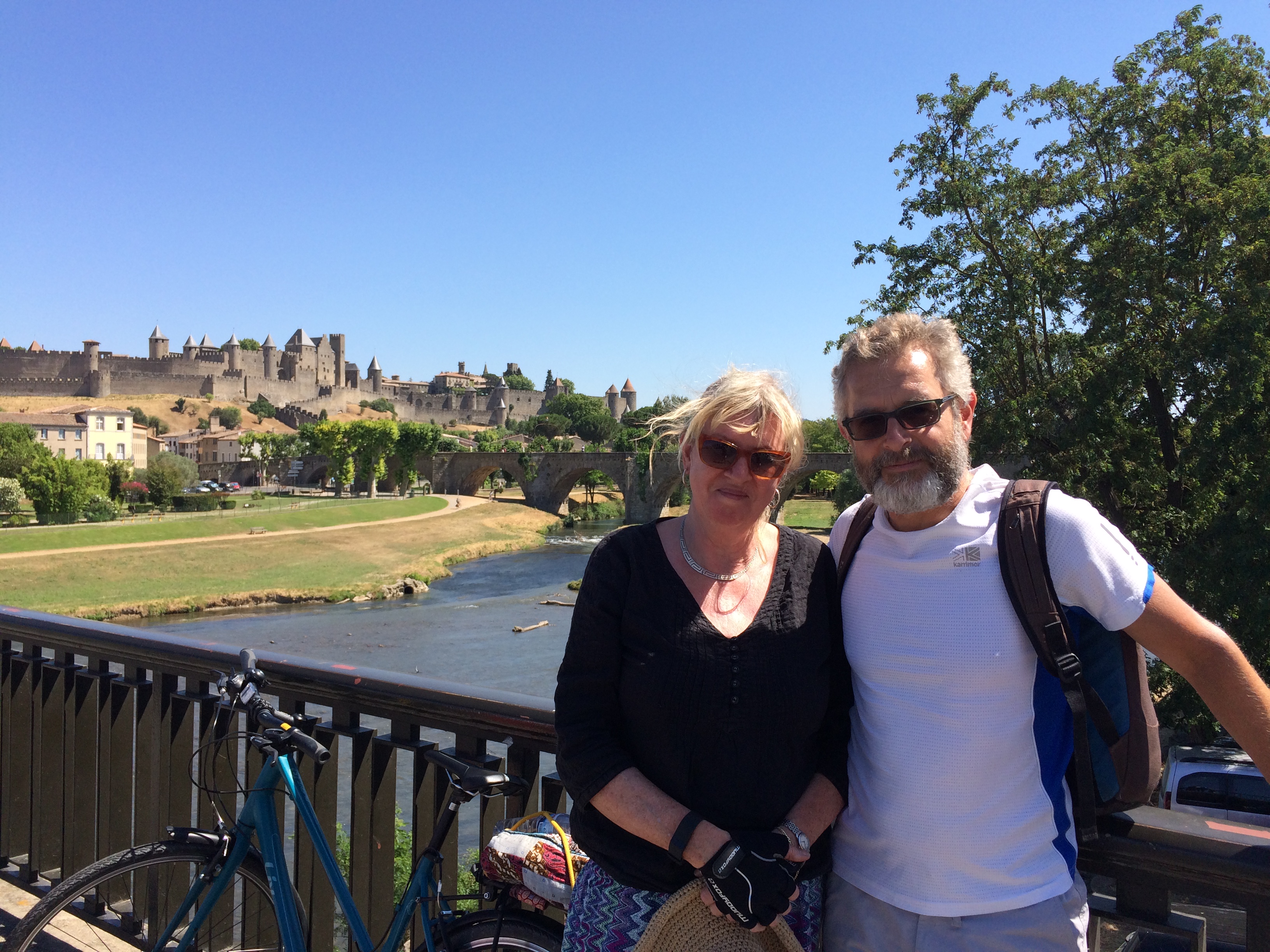
Finally, arrival in Carcassonne - had our photo taken by a friendly Chinese student.
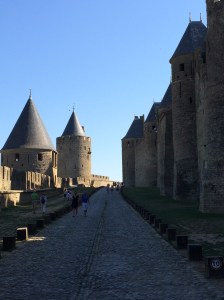
Finally, arrival in Carcassonne – had our photo taken by a friendly Chinese student.


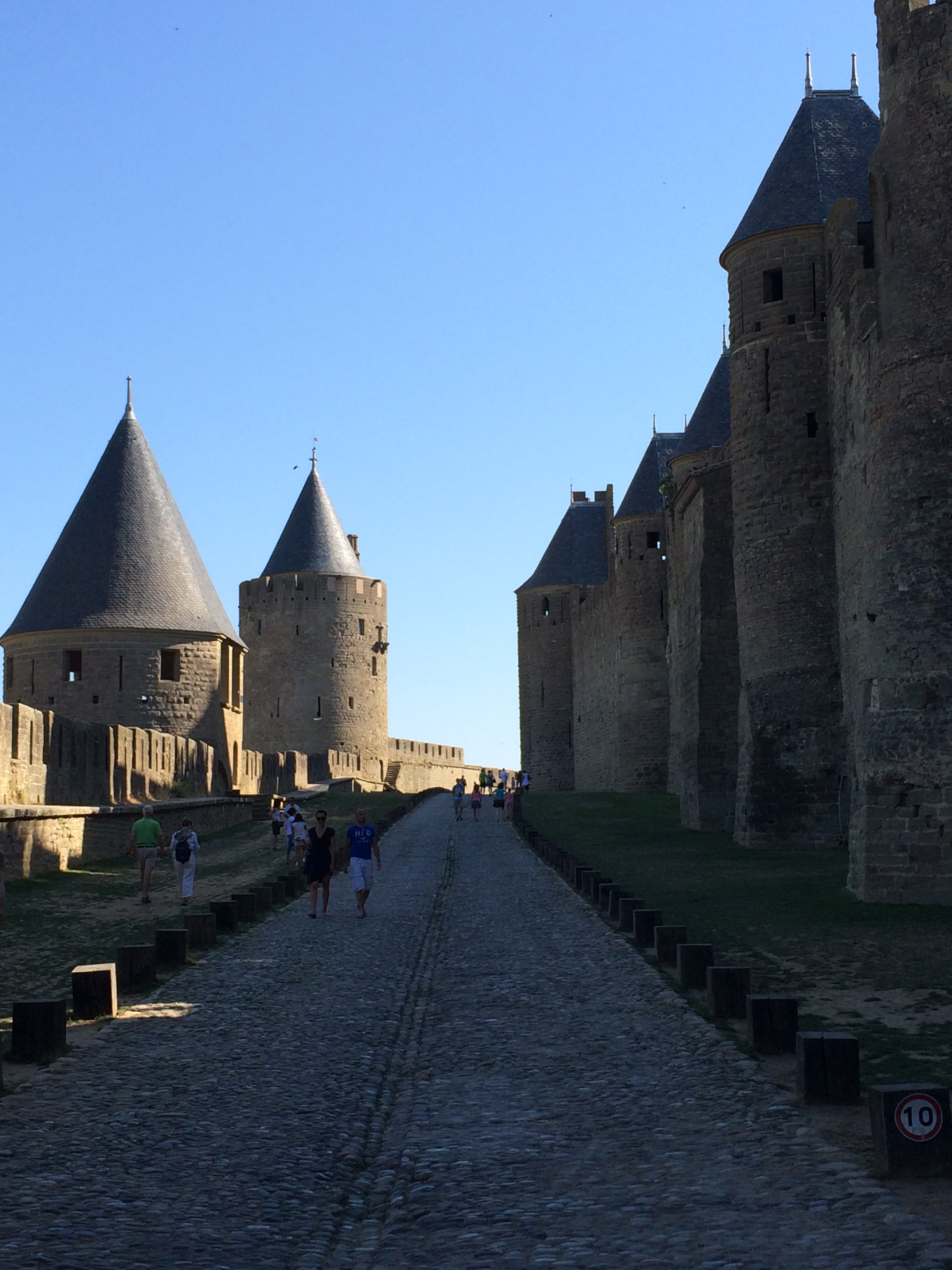
A view of the amazingly well-preserved Cite de Carcassonne from within the old walls.
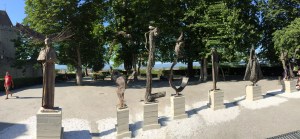
A view of the amazingly well-preserved Cite de Carcassonne from within the old walls.


Outside, a series of 9 sculptures by Guy Ferrer spelling the word "TOLERANCE".

Outside, a series of 9 sculptures by Guy Ferrer spelling the word “TOLERANCE”.


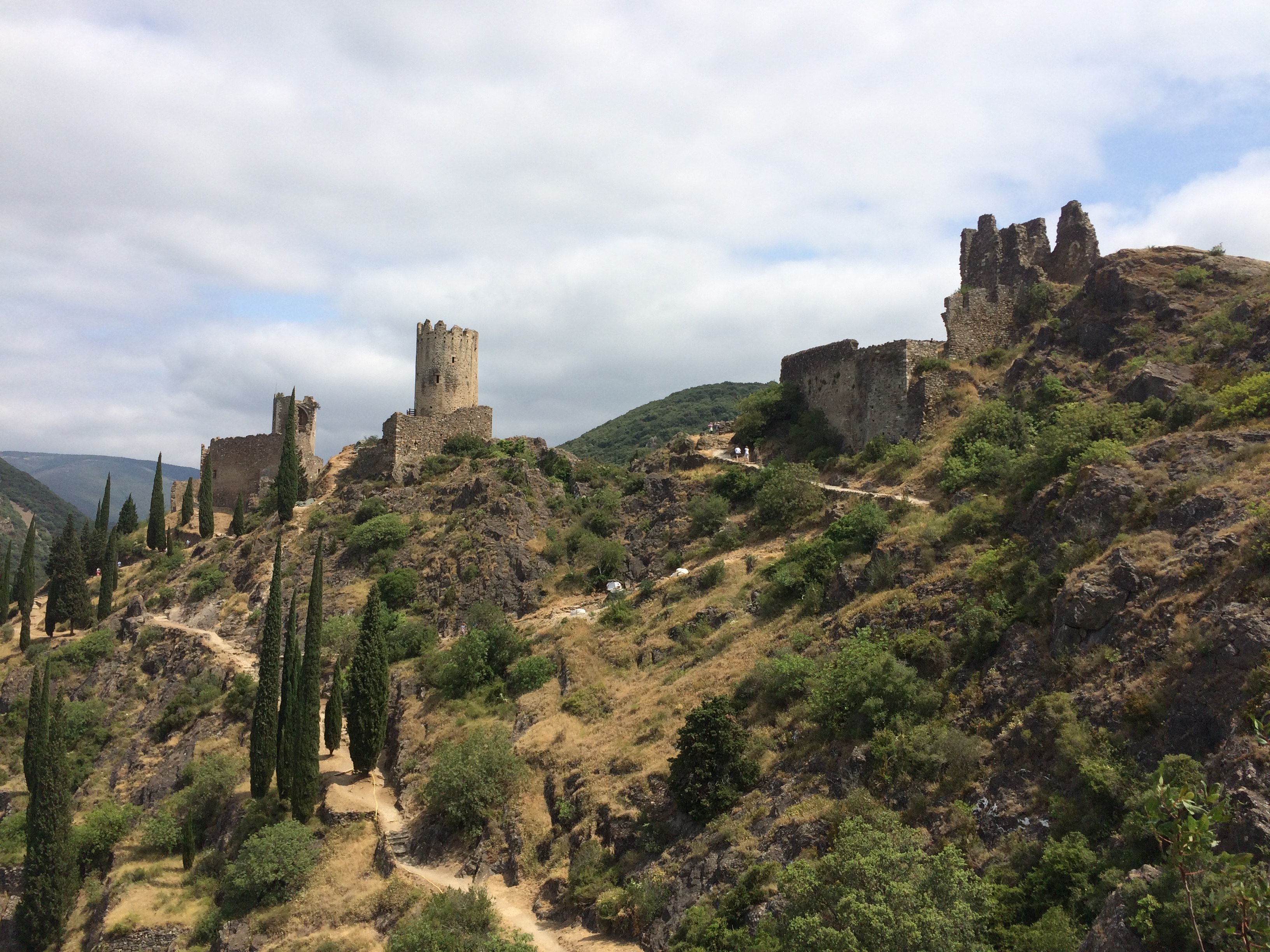
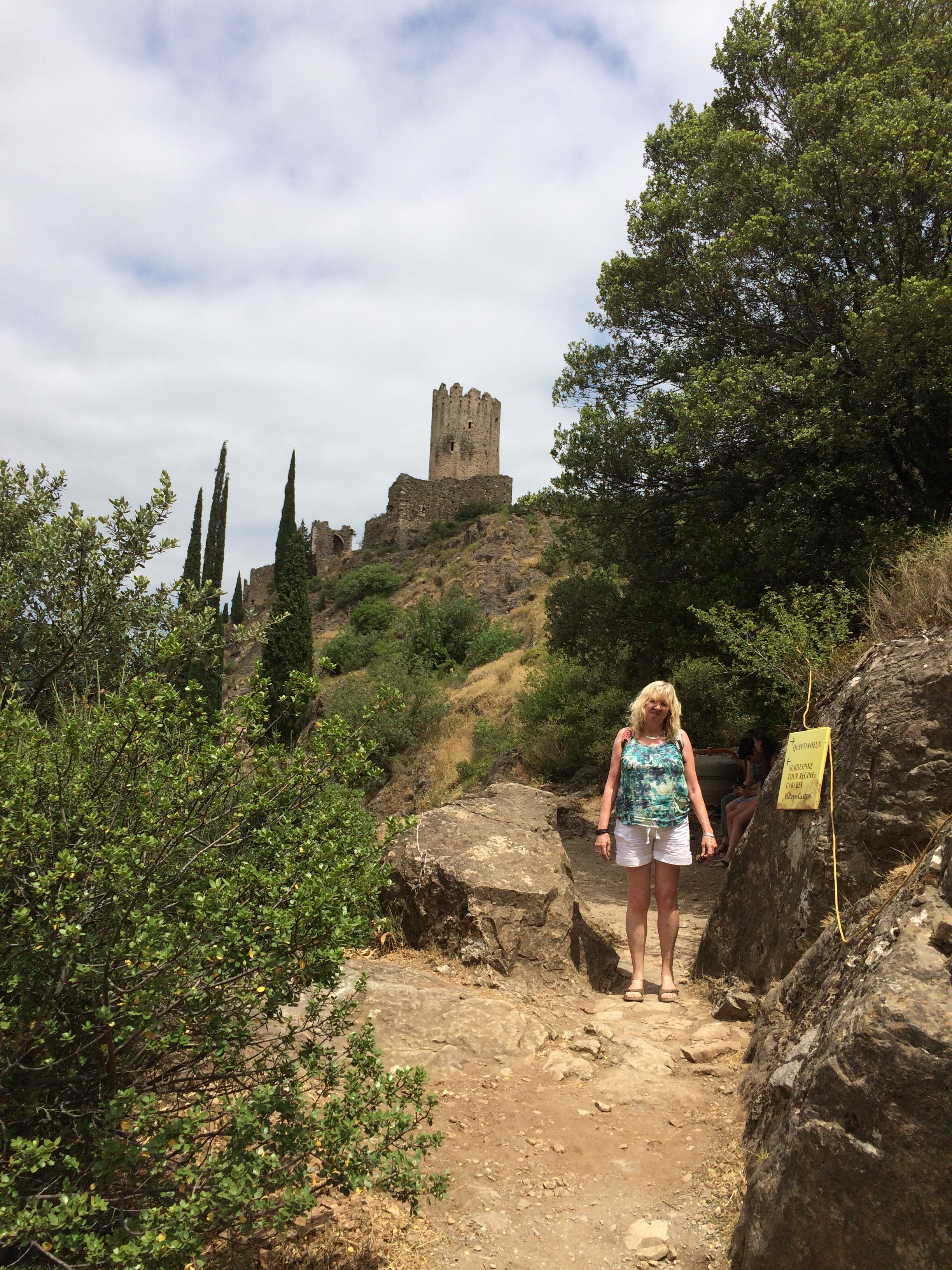
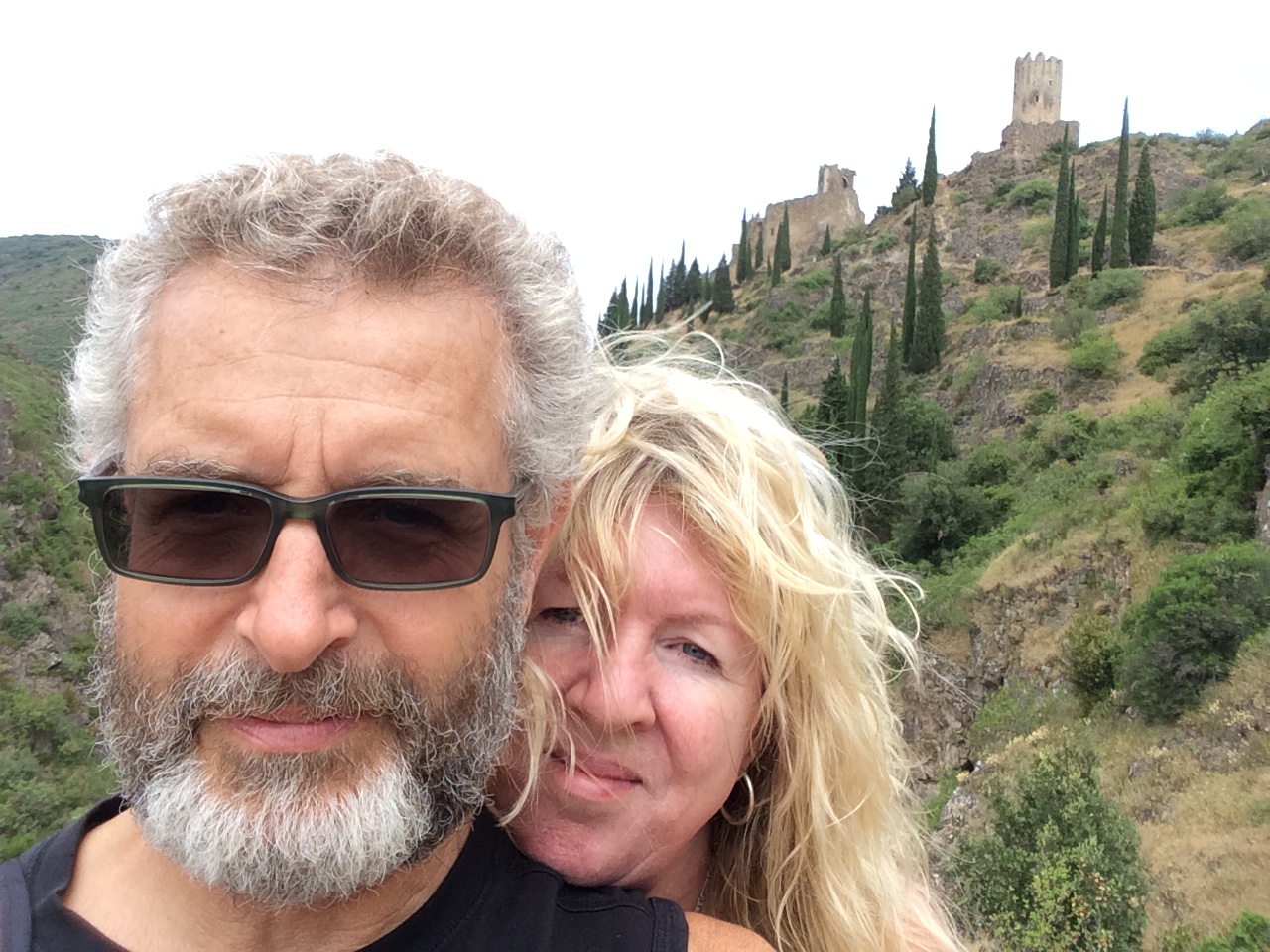
We also visited the four Cathar castles – Cabaret, Surdespine, la Tour Régine and Quertinheux – on a rocky spur above the village of Lastours. They were built at an altitude of 300m along a rock wall just 400m long by 50m wide. It was a long, hot climb and descent which played havoc with our knees. During the Albigensian crusade they were closely linked to the followers of Catharism with the Lords and villages surrounding the castles welcoming many Cathars.   In fact Cabaret became the seat of the Cathar bishop of Carcassès. Eventually the villages and the castles were plundered and then rebuilt to become royal fortresses. Interestingly, in the 16th century, the castles provided sanctuary to French Huguenots (Protestants).
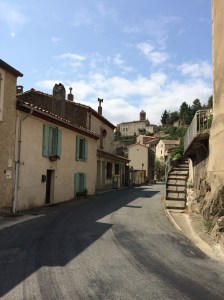
The village of Lastours above which lie the remnants of the four Cathar fortresses.
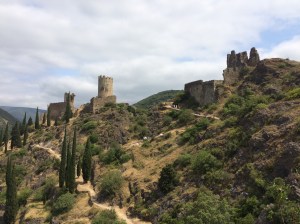
The village of Lastours above which lie the remnants of the four Cathar fortresses.

Three of the castles are visible here.
Three of the castles are visible here.


.. hard climb..

.. hard climb..

It was a long..

It was a long..


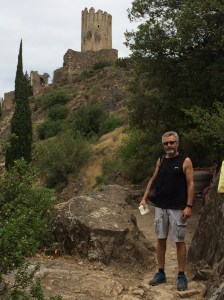
.. but we made it.  Impossible to conceive of what it must have been like for people living here.

.. but we made it. Impossible to conceive though of what it must have been like for people living here.

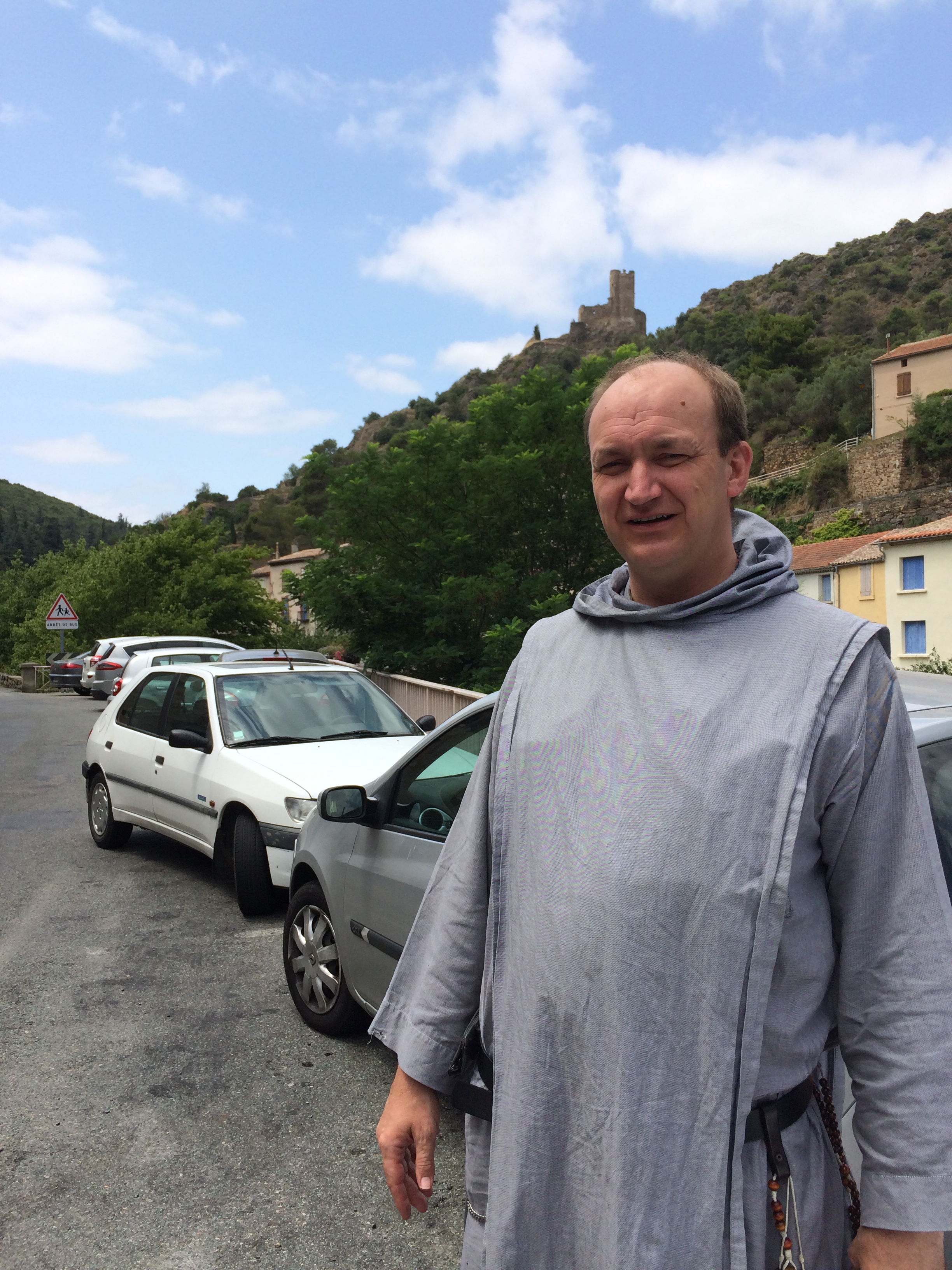
During lunch, Flavio, forgetting that the Cathars had been all but exterminated in the thirteenth century, spied a chap in a long grey habit and mistook him for a Cathar Parfait. You can imagine his disappointment when going to speak to him that he turned out to be a monk from the order of St John. an order established following dissatisfaction from some quarters of the Catholic church to the second Vatican Council, which brought modernising reforms to the church.  When asked what his take was on the Cathars, Brother Arnaud said they ‘had an idea of purity which was isolationist’ and that people looked at them now with a romantic eye but in the context of their own time they were in reality quite aggressive – “ils tuaient des gens” (they killed people too).
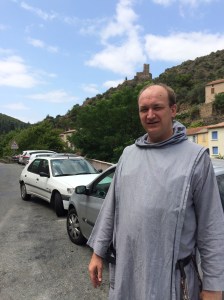
Brother Arnaud who Flavio mistook for a Cathar 'Parfait'. "The Cathars had an idea of purity which isolated them", he said.

Brother Arnaud who Flavio comically mistook for a Cathar ‘Parfait’. “The Cathars had an idea of purity which isolated them”, he said.

We left the Languedoc with every intention of returning and exploring more of this hauntingly beautiful region.

Acres of vineyards in Cabardes area (where Montolieu is situated).
Acres of vineyards in the Cabardes area (where Montolieu is situated).

View of Cite de Carcassonne from the old bridge.
View of Cite de Carcassonne from the old bridge.


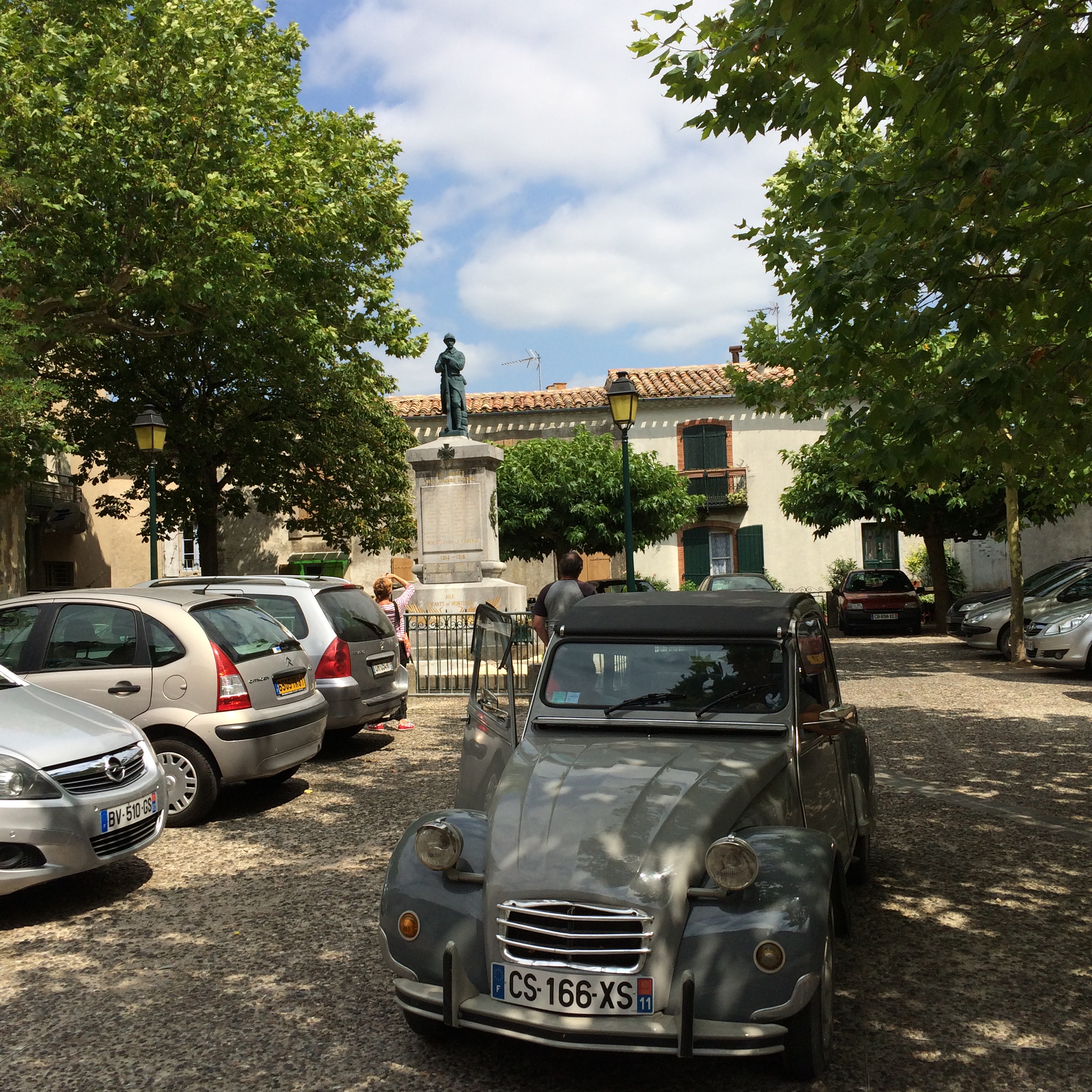
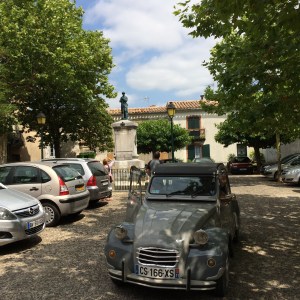
An old 2 CV in Montolieu.
An old 2 CV in Montolieu.

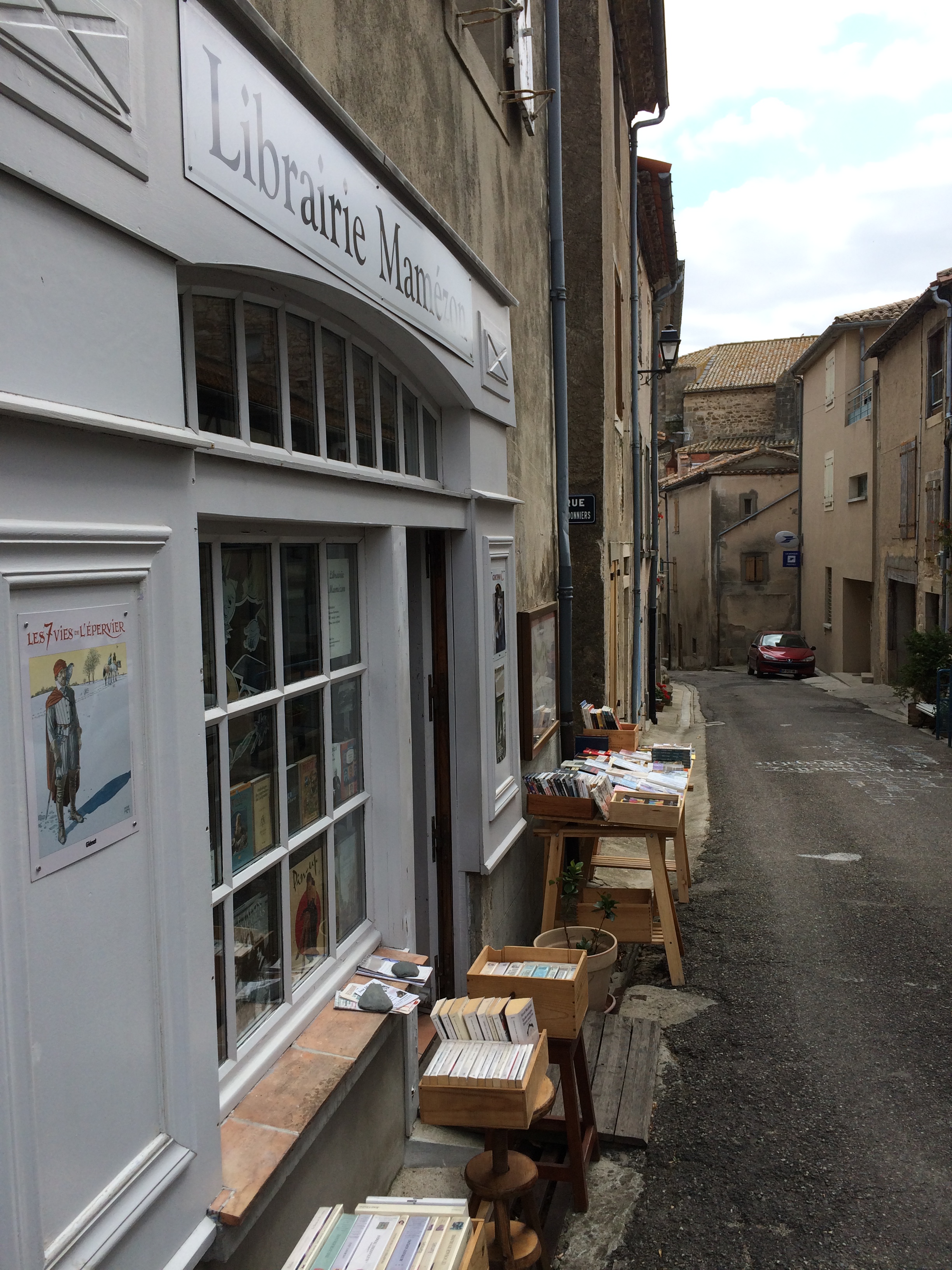
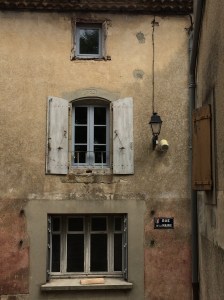
Rue de la Mairie, Montolieu.

Rue de la Mairie, Montolieu.


IMG_3880

The journey so far – “wealthy with what you’ve gained on the way, not expecting Ithaca to make you rich”

Standard

IMG_4031

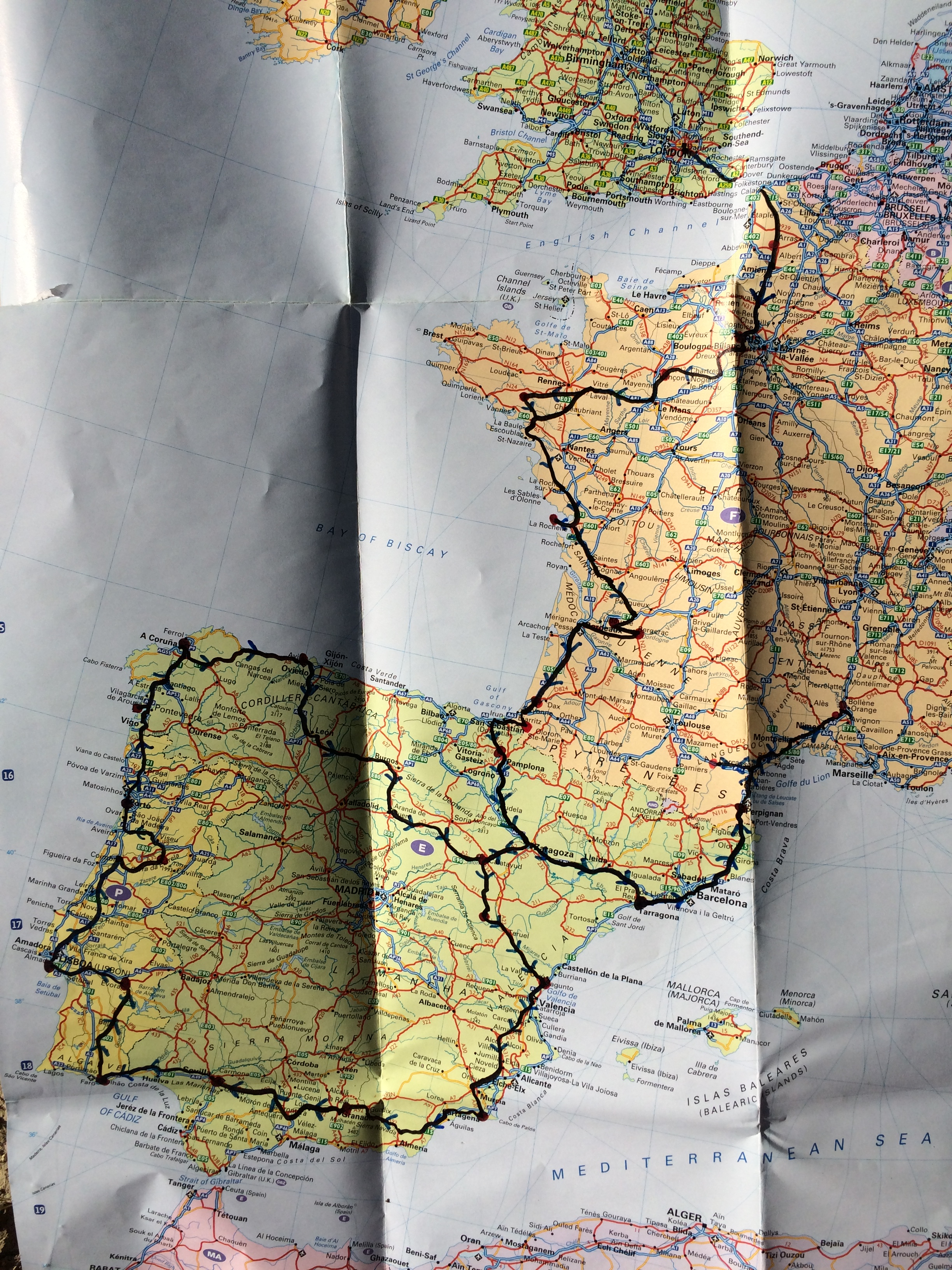
As we arrived in the evocative town of Avignon in Provence in France on the 13th July after a month and 20 days on the road, we had covered roughly half our estimated total journey:

  • 4,600 miles (7450 kms)
  • 50 days of travel.
  • Average of 92 miles (150 kms) of travel per day.
  • 30 campsites.
  • Average time spent in each campsite (after factoring in the week spent in Brittany): 1.4 days.

We started off eager to make progress with the journey and anxious not to linger too long in any one place (av 1.4 days). Taking account of time needed to visit towns and cities and catching up with daily tasks including writing the blog, this led to a certain amount of tension and freneticism. Part of it was worry about what lay ahead, how hard it would be, whether we could do it and whether we had completely underestimated what we had undertaken.  Now that we’ve reached what we think is half-way point and we’ve got into our stride, we’re a little less anxious about the unknowns including our own abilities and what pace we can travel at.

We’ve decided therefore that it’s not ‘whacky races’ as Judith says and that we can move at a more leisurely pace without necessarily seeing every town, city or place of interest on the way.  In any case, going to these places often consists of simply mixing with thousands of other tourists and ending up seeing, not the city itself and its people, but what the tourist industry you get drawn into wants you to see – taking all the right photos and ticking all the boxes. Though we can’t presume to have always succeeded, our experience has been that it’s possible to get a better feel for a place by going to the out of the way spots and meeting locals going about their lives. Though of course seeing important sites and understanding their historical significance is fascinating and enlightening.

Other facts we have discovered about campervanning:

  • You can live quite comfortably in a van!  Though it takes quite a few bangs on the head to remember to duck in the right places (typically getting in and out), even in a high-top.
  • Though we tried, we should have been even more careful about packing.  We needed less than we thought and have ended up sending back two cartons of unwanted clothes etc.
  • It’s not difficult to eat well and make perfectly reasonable meals on a 2-ring burner.
  • It’s not necessary, nor a good idea, to stock up on food as space is limited, the fridge is very small and food doesn’t last.  So the baguette is strictly for the day.
  • Campsites vary enormously – generally, we’ve found that you get a far better experience in smaller, family-run sites than the big, all-singing and dancing 4-star camping extravaganzas.
  • Less so than with camping perhaps, but much is weather-dependent. We may be in a van but we spend most of our stationary time out of it.
  • Being mostly outdoors, we’re constantly exposed to nature. This means mainly insects who come in a multitude of varieties and often find their way in as well.
  • Barbers and hairdressers seem redundant!
Barbers seem redundant!

Barbers and hairdressers seem redundant!

We’re thankful to Robert, a former headteacher we met when we were camping outside Granada and who has already been mentioned, who reminded us of the great Alexandrian poet Constantine Cavaffy’s poem ‘Ithaca’ a taster of which it would be good to quote at this point:

“As you set out for Ithaka
hope your road is a long one,
full of adventure, full of discovery…

Keep Ithaka always in your mind.
Arriving there is what you’re destined for.
But don’t hurry the journey at all.
Better if it lasts for years,
so you’re old by the time you reach the island,
wealthy with all you’ve gained on the way,
not expecting Ithaka to make you rich…”

“Como gusta a nos otros”

Standard

As we leave Spain, a few last words about this fascinating country:

It’s a big country and it certainly does rain on the plain, as we experienced. (They could have done with some of this in southern France which has been experiencing a bit of a drought.)

Each area we visited displayed strong regional identities redolent of the time when Spain consisted of various kingdoms and principalities with each region (Basque, Aragon, Castille, Murcia, Andalusia, Galicia, the Asturias, Catalonia) proudly flying their own flag alongside the Spanish flag, celebrating their own traditions and saints’ days, showing off their own regional dishes and battling to keep alive their own language or dialect. Experts are still debating about the origin of the Basque language which bears no relation to Latin. In some cases of course there are clear aspirations for all-out independence even though they already have a form of autonomy.

The Asturian flag alongside the Spanish flag during the 3-day San Pedro celebrations in Cudillero.

The Asturian flag alongside the Spanish flag during the 3-day San Pedro celebrations in Cudillero.

An Asturian outside storeroom - many houses have them.  We didn't know what they were at first.

An Asturian outside storeroom – many houses have them. We didn’t know what they were at first.

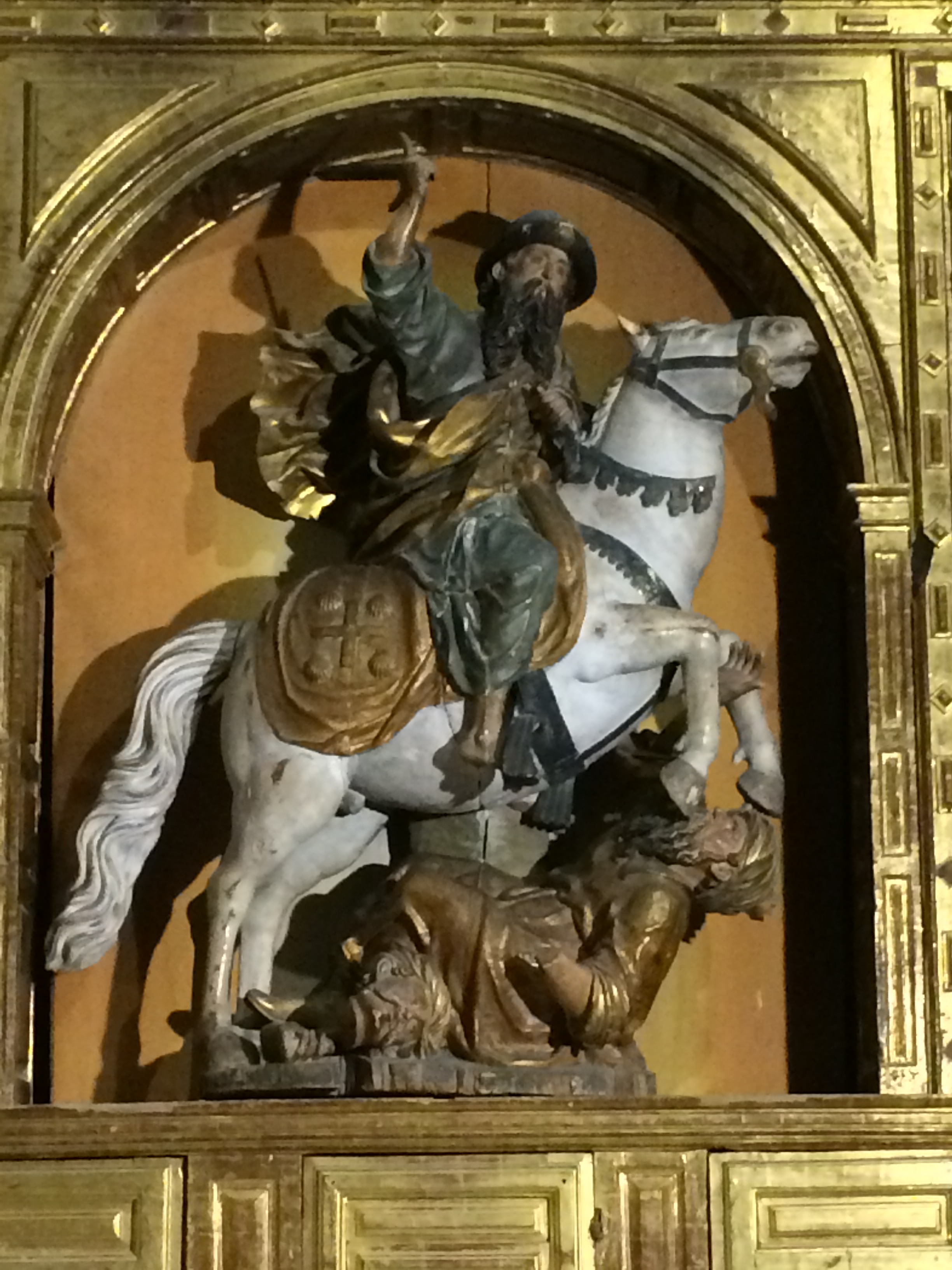
Having spent a lot of time in the Middle East, we were very aware of remnants of Spain’s Islamic period whether it be in place names, architecture or general culture. But we couldn’t decide whether there was perhaps just a touch of denial about this Islamic heritage considering that the Arabs occupied a large part of Spain for almost 700 years. Apart from the obvious tourist attractions of Grenada, Cordoba and Seville and the whole of Andalusia,  we were surprised at the evidence of Arabic influence throughout the whole Iberian Peninsula and hadn’t appreciated how extensive, and in some cases prolonged, the Islamic presence had been.  It was more evident in Aragon for instance than we had expected and finding an old long-derelict mosque in the small town of Alhama brought this home to us.  Considering the importance of the ‘Reconquista’ in Spanish and Portuguese history as well as the constant reminders of this in imagery and statues in churches, that is perhaps not surprising.  But it left us wondering what modern-day Spaniards and Portuguese feel was the contribution of the Islamic period to their culture and whether some of it at least was positive and enlightening.  At the time, the Muslim rulers claimed to have instituted a system or at least a spirit of ‘convivenca’ but scholars are now debating to what extent this amounted to true pluralism. All interesting thoughts to ponder over as the modern world finds itself having to grapple with the vital issue of rising immigration and true religious coexistence.

Depiction of reconquista in church in Catrojeriz.

Depiction of the reconquista in a church in Catrojeriz.

Depiction of the Virgin Mary trampling on the enemy.

Depiction of the Virgin Mary standing victorious over the head of a Saracen.

Reading Spain’s history as we travelled we were horrified at  the appalling vandalism of the Napoleonic armies who sacked and pillaged their way through many parts of Spain and indeed Portugal.  We asked some French people we met what they thought about that and what they thought Napoleon’s strategy was exactly. They agreed and said the only strategy was to destabilise the region as much as possible so he could install his own brothers and cousins in their place and build his own empire.

Having lived in multicultural London for many years we were surprised at how relatively few different ethnic groups there seem to be in Spain, even in the larger cities, and also slightly surprised (considering Spain is one of the largest ELT markets in the world) by the number of people who really had very little English or none at all.  We’re not saying that out of any spirit of linguistic imperialism but just in the knowledge of the huge amount of ELT teaching there has been in Spain for decades.

As in Portugal, seafood is a major part of the Spanish diet as is pork.  More often than we’d expected, meals come with chips.  We didn’t think this was this for the English, of whom we came across very few (though admittedly we avoided the Costa del Sol). By far the majority of campers we came across were from Holland, after the Spanish that is.  Some of the regional dishes like in the Asturias were very interesting, but overall we thought every day Spanish cuisine as served in most ordinary cafes and restaurants was not always terribly healthy.

Fairly typical menu in restaurants in Barcelona.

Fairly typical menu in restaurants in Barcelona.

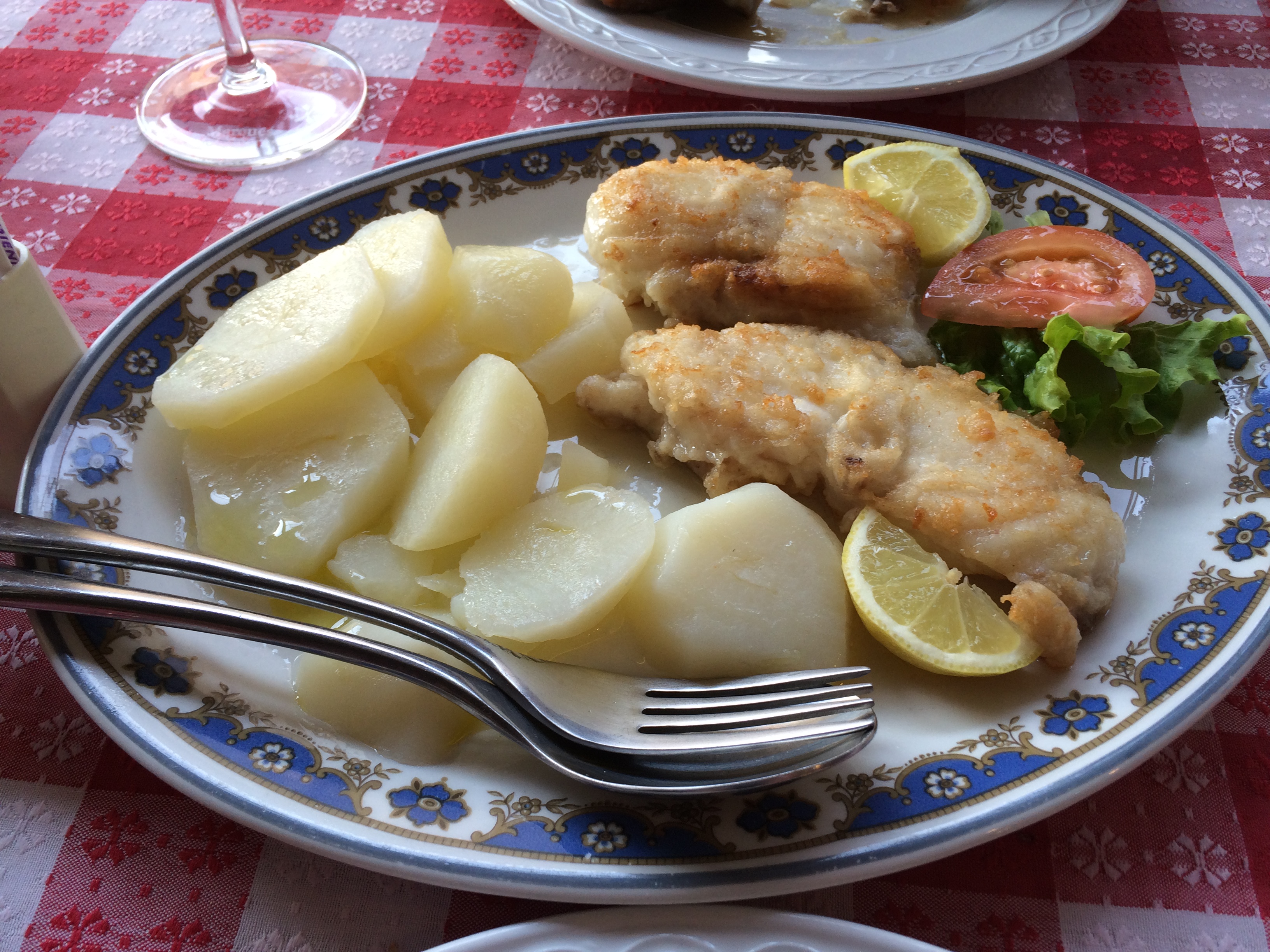
But sometimes the food can be simple and delicious as in this dish of 'rate' fish from Galicia.

But sometimes the food can be simple and delicious as in this dish of ‘rate’ fish from Galicia.

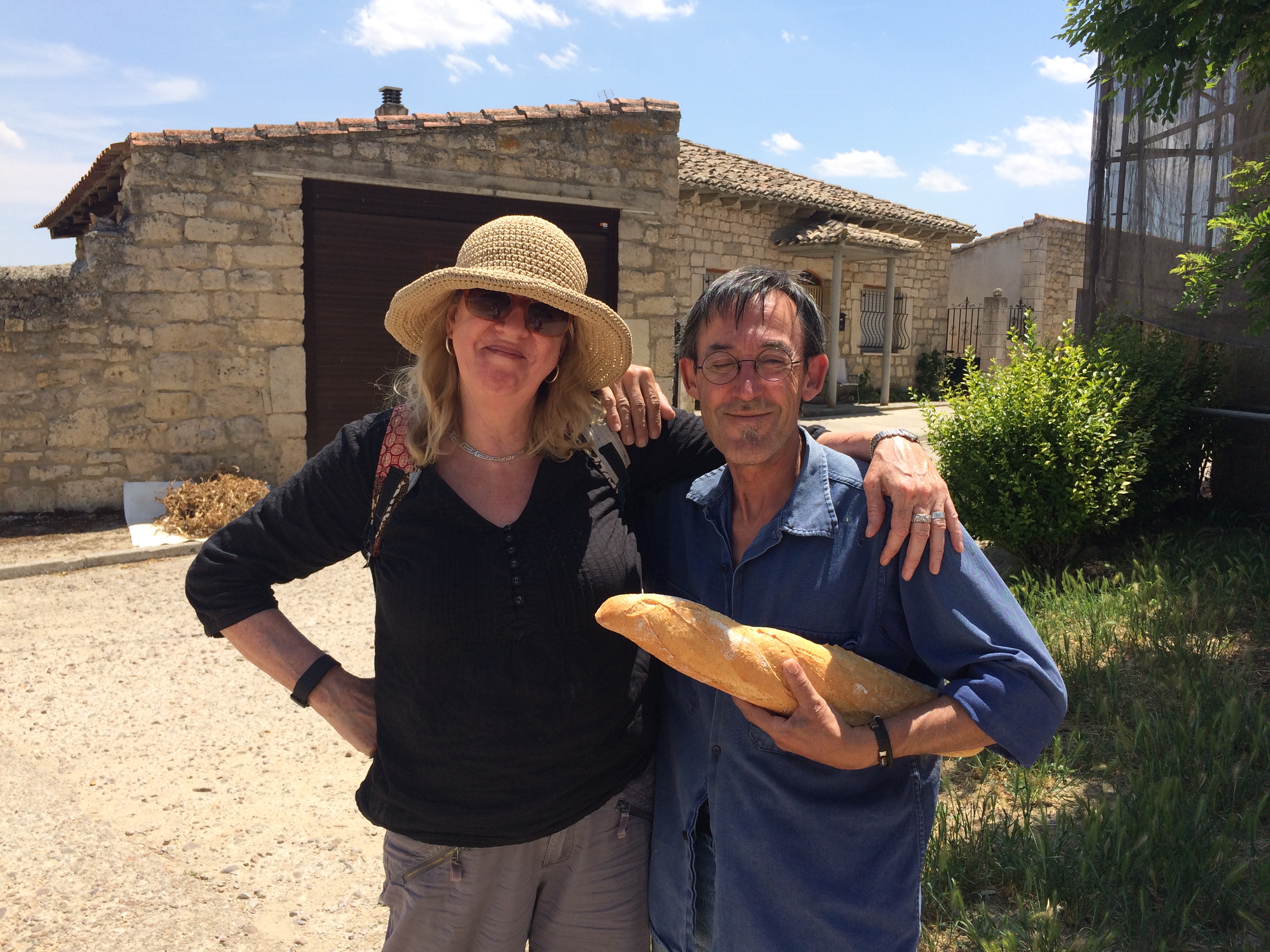
But the size of the bread loaves in the countryside is amazing.

And the size of the bread loaves in the countryside is amazing.

Also like Portugal, everywhere we travelled there was evidence of financial hardship and a failing economy, even in the more touristic areas businesses were closed/having liquidations sales or up for sale.  With unemployment levels at over 20% (is this really right?) Spain is struggling yet despite this it is a vibrant, exciting, fascinating (if somewhat noisy) country and has left us with a desire to return and discover more of it charms.

Spain gives the impression of being an industrious, ‘self-contained’, ‘self-sufficient’ country, fiercely proud of its own character and traditions, including of course, bull-fighting.  The proof being the giant black silhouette of the fierce Spanish bull greeting drivers at the entrance to each region (with the exception perhaps of Catalonia).  It almost looks defiant – like Spain itself. “We’re big enough, strong enough, proud enough, to do como gusta a nos otros”!

IMG_2275

Tuesday 7th and Wednesday 8th July – Barcelona

Standard

7th July

We’re heading for Barcelona.  We stayed on a campsite a few kilometers out of the city by the coast which was pretty grim and dusty but we only planned on staying one night, determined to get up early and go into Barcelona.   Our neighbours, a Swedish family, arrived shortly after us.  We sat sipping our chilled rose and watched them setting up camp, erecting their tent etc. It took almost two hours and made Brenda seem like such a luxury.  Their two teenage sons looked on with a look in their eyes I recognise seeing in our own children when they were that age, that any predicament in life is preferable to camping with your parents!

8th June
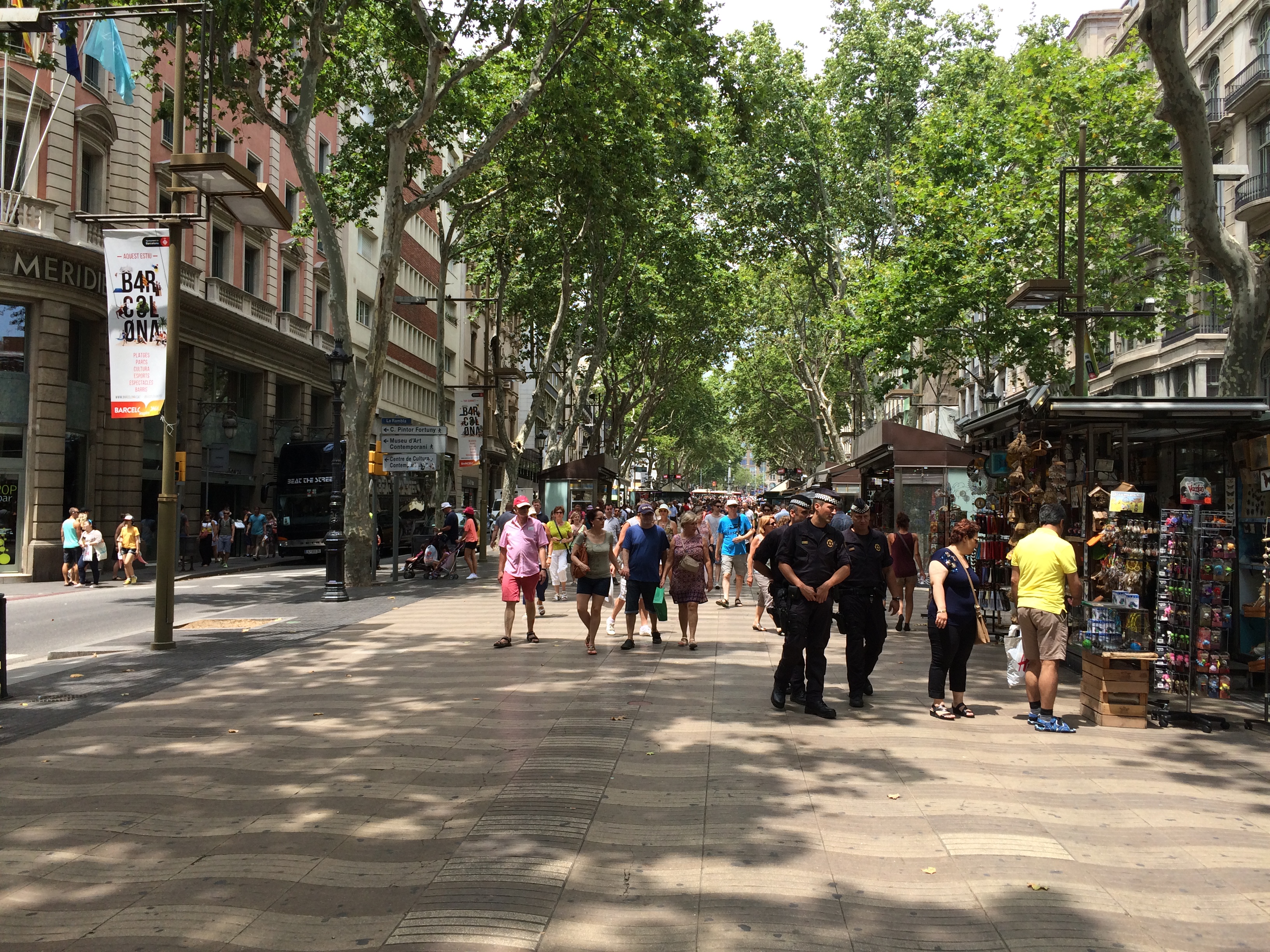
Barcelona, capital of the autonomous community of Catalonia.  It’s hard to know what to say about Barcelona – modern, colourful, lively, exuberant, full of tourists.  We followed some of the ‘recommended sites’ and rambled down ‘La Rambla’, a busy boulevard with traffic on either side and a central walkway teeming with tourists and stalls selling lots of merchandise from China. Spanish police were much in evidence, suggesting we should beware of pickpockets.
The popular and touristic  'Ramblas de Canaletes' known as 'La Rambla'.

The popular and touristic ‘Ramblas de Canaletes’ known as ‘La Rambla’.

 
Stalls lining the Rambla central walkway.

Stalls lining the Rambla central walkway.

Taxis in Barcelona are the same colour as Alexandria taxis.

Taxis in Barcelona are the same colour as Alexandria taxis.

A woman (or man?) advertising the 'Erotic Museum' on La Rambla.

A woman (or man?) advertising the ‘Erotic Museum’ on La Rambla.

We stopped at the much-vaunted Viena Cafe for a light lunch. It’s supposed to be the place to get the best sandwich in Barcelona and it looked promising with its art nouveau decor, quaint sushi-style circular bar surrounding the serving area, classical music and even ornamental grand piano. The sandwich was good but the tired-looking aubergine salad was unceremoniously plonked in front of us in a cheap plastic bowl.  Despite these ‘disappointments’ it is a remarkable city and well worth a visit.  From La Rambla we walked down to the ‘El Born’ district whose relaxed and more bohemian atmosphere was more to our taste.  There was a surprising amount of begging in the city, but it took creative forms like women singing operatic tunes in front of the cathedral in Placa Nova or the man ‘fishing’ for coins in El Born.  We saw several men (including one with a young boy) going through rubbish bins.
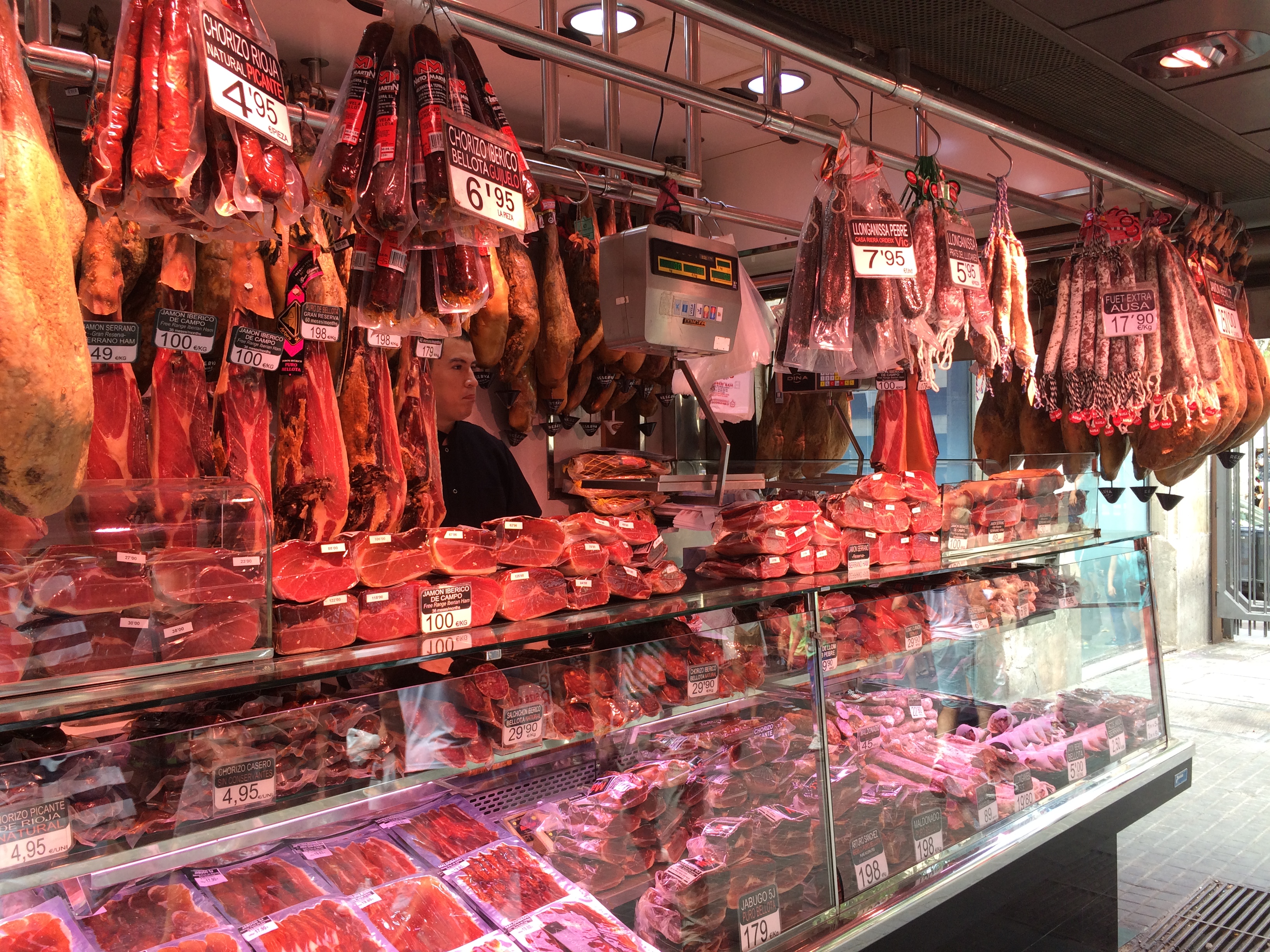
A ham and sausage stall in the covered market off La Rambla.  Pork as well as fish feature highly in Spanish cuisine.

A ham and sausage stall in the covered market off La Rambla. Pork as well as fish feature highly in Spanish cuisine.

Outside the famous 'Viena Cafe'.

Outside the famous ‘Viena Cafe’.

A cycle-friendly city.

A cycle-friendly city.

The tired-looking aubergine and feta salad served in a plastic dish at the Viena Cafe.

The tired-looking aubergine and feta salad served in a plastic dish at the Viena Cafe.

During the Spanish Civil War, Barcelona and Catalonia were fiercely republican. The resistance of Barcelona to Franco and the eventual fall of the city on 26 January 1939 to Franco’s troops caused a mass exodus of civilians to the French border and had devastating results including the abolition of autonomous Catalan institutions and the suppression of the Catalan language.  
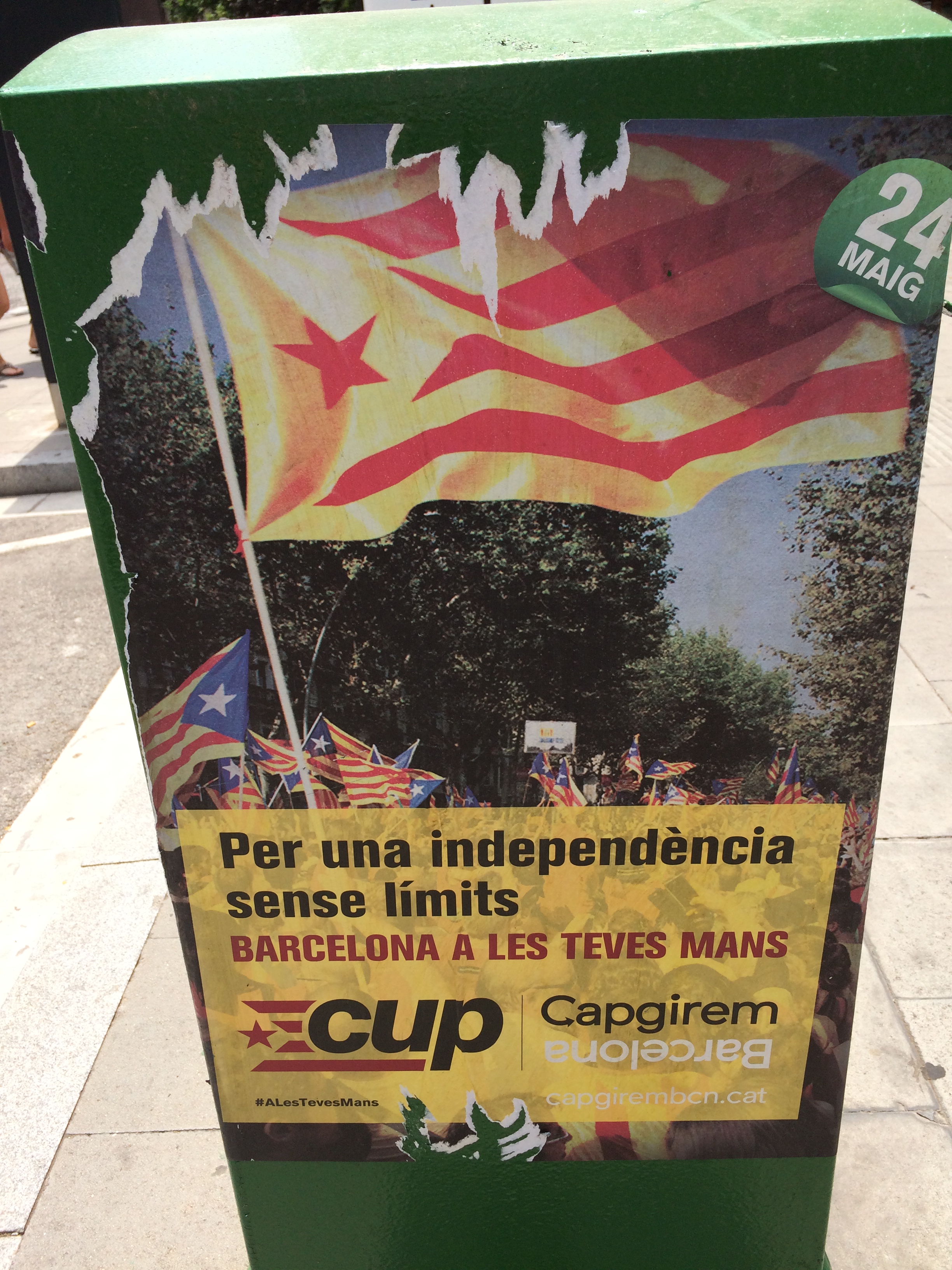
Poster campaigning for Catalonian independence.

Poster campaigning for Catalonian independence.

 What was truly remarkable was the work of architect Antoni Gaudí, which can be seen throughout the city. His best-known work is the immense but still unfinished church of the Sagrada Família, which has been under construction since 1882, and is still financed by private donations. 2026 is the planned completion date.  Its difficult to know how to describe his work – it’s hugely impressive but there is almost a child-like prehistoric feel about it.
The as yet unfinished and 'awe-inspiring' Sagrada Familia cathedral.

The as yet unfinished and ‘awe-inspiring’ Sagrada Familia cathedral.

 
IMG_3788
After a long hot day walking and exploring, we got back into Brenda and contemplated one last stop in Spain but decided to head straight for the Aude in France instead.  Somehow we were hankering for some older home-like familiarity.
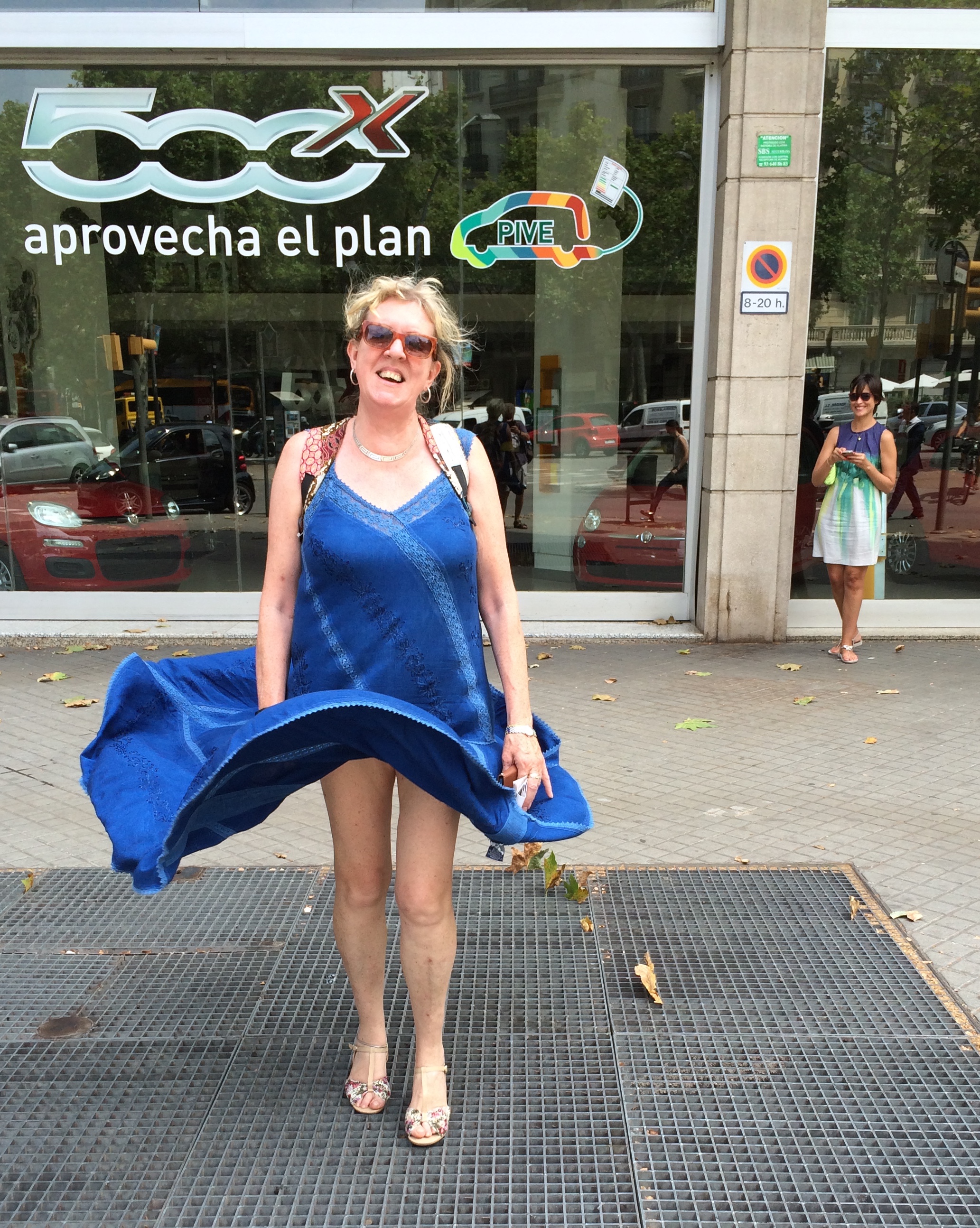
On the considerable walk back to the car (we’d parked it on the outskirts and had taken the tube to the centre), Judith got an unexpected bit of respite from the heat in the form of some upward flowing ventilation. It seemed to be in keeping with the ‘sympatico’ spirit of the city.

A bit of unexpected fresh air during our walk back to Brenda.

A bit of unexpected fresh air during our walk back to Brenda.

3rd to 6th of June – Castrojeriz to Tarragona

Standard

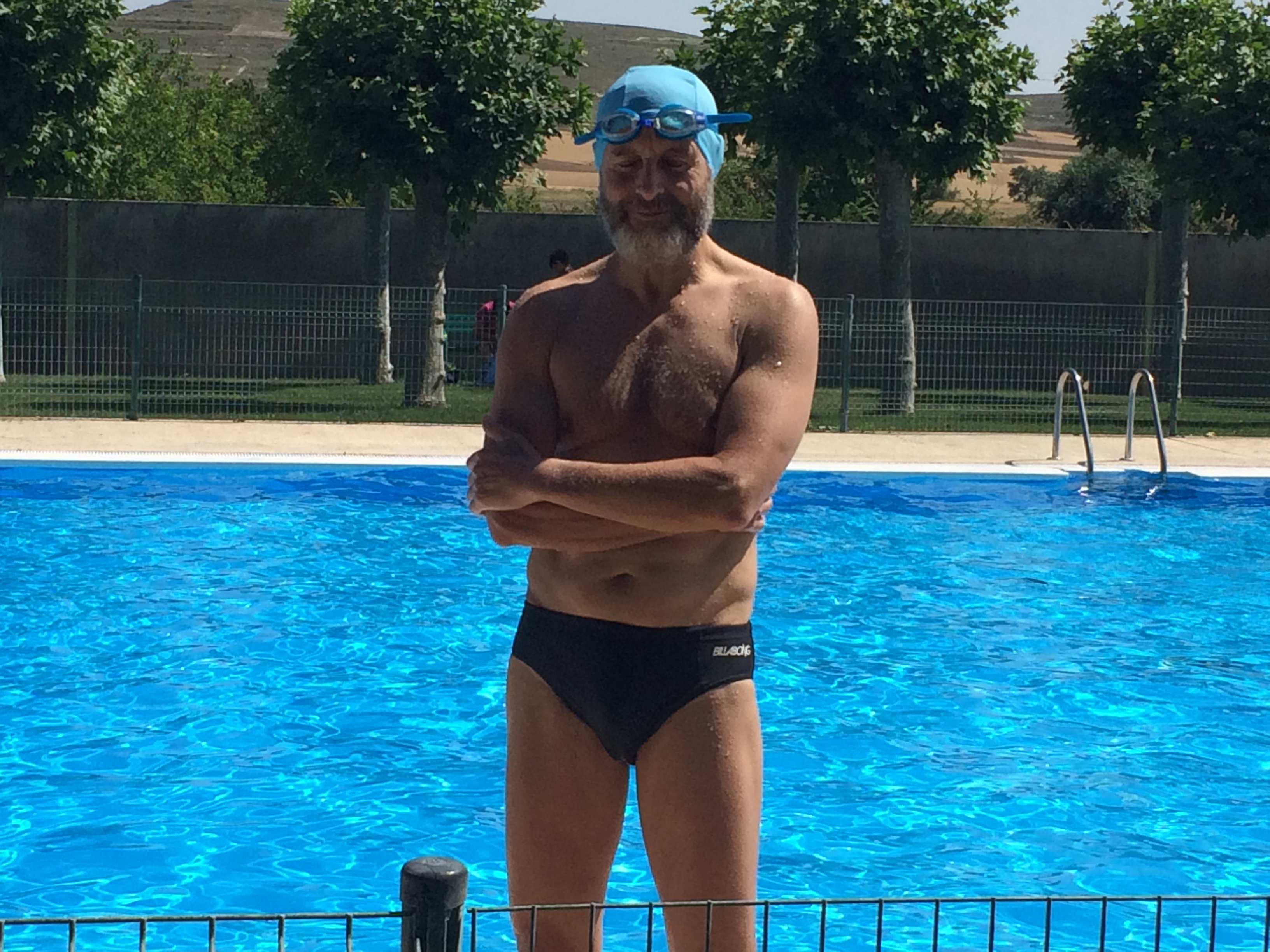
From Leon we travelled to Castrojeriz near Zaragossa which was on the Camino de Santiago route and the aptly named Campsite Camino Santiago.  The Campsite was at the base of a hill on which a Knights Templar castle stood (the area is steeped in Knights Templar/Holy Grail legend).  It was a lovely family-run campsite which cooked delicious lamb joints in a traditional outside oven. After a very long and hot cycle we swam in a municipal pool close to the campsite.  We had the pool to ourselves, which was bliss, until siesta time was over and within seconds the pool was overflowing with families.

The relaxing campsite at Castrojeriz, on the Camino de Santiago trail, which was becoming a recurring theme during our tour of Spain.

The relaxing campsite at Castrojeriz, on the Camino de Santiago trail, which was becoming a recurring theme during our tour of Spain.

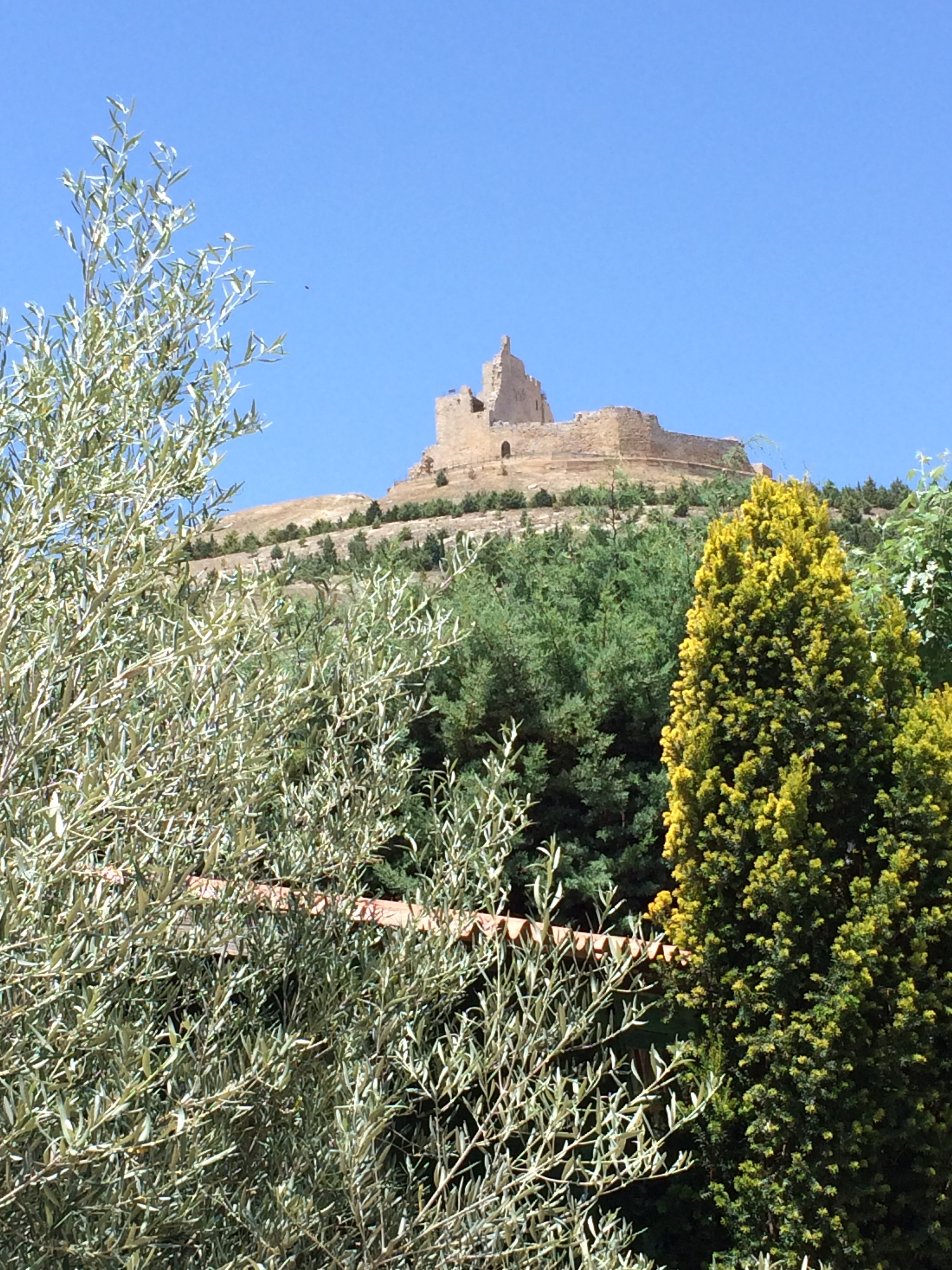
The Knights Templar castle on the hill overlooking the campsite.

The Knights Templar castle on the hill overlooking the campsite.

12K cycle ride to nearby Castrillo de Murcia.

12K cycle ride to nearby Castrillo de Murcia.

We stopped half way through our cycle ride seeking shelter from the relentless heat and sunshine and to eat our picnic at Castrillo de Murcia.  The bread van pulled up alongside and an elderly lady called Epiphania came out of her house to buy her bread and to collect her little terrier who had turned his nose up at the morsel of ham we’d offered him.  She tried to converse with us but we realized pretty soon that our problem wasn’t so much linguistic as that she was deaf as a door post.  We did succeed in speaking to a rather diminutive man (also drawn out by the bread van) called Ramon who had previously given us directions back to Castrojeriz.  Ramon was a 62 year old former nurse who had worked in San Sebastian all his life and was now retired with a reasonable state pension of 1,000 Euros a month which he felt content with.  He had never married and lived alone. He was happy to meet a fellow nurse in Judith and wasted no time to stretch his neck to kiss her.  It seemed appropriate to take a photo of the two ex-nurses together.

The sleepy village of Castrillo de Murcia.

The sleepy village of Castrillo de Murcia.

Ramon, the retired ex-nurse happy to meet another nurse.

Ramon, the retired ex-nurse happy to meet another nurse.

Heavenly swim at the municipal pool after the hot cycle during the quiet siesta time.

Heavenly swim at the municipal pool after the hot cycle during the quiet siesta time.

Lamb cooked in the campsite's outside open oven.  Our first roast in a long time!

Lamb cooked in the campsite’s outside open oven. Our first roast in a long time!

A brief overnight stop in Nuevalos, where Flavio did a lake swim, and then on to the coast, desperate for a sea breeze. Spain is experiencing a heat wave with temperatures going up to 45 degrees C.  This really was quite an uncomfortable campsite, ‘terraced’ and badly designed, on top of which it was unbearably hot and sticky, obliging us to sleep with the side door open which then meant having to contend with insects and mosquitoes despite the insecticide burners.  We were glad to get away from that region of Spain that seemed to be experiencing the highest temperatures and head for the coast.  We decided that in terms of both topography and weather, we were less keen on Aragon than other regions.

On the way to Nuevalos, we passed Mahamud and Alhama and came across this old abandoned mosque which has clearly been derelict for centuries.

On the way to Nuevalos, we passed Mahamud and Alhama and came across this old abandoned mosque which has clearly been derelict for centuries.

An interesting detail of the long-derelict mosque at Alhama de Aragon.

An interesting detail of the long-derelict mosque at Alhama de Aragon.

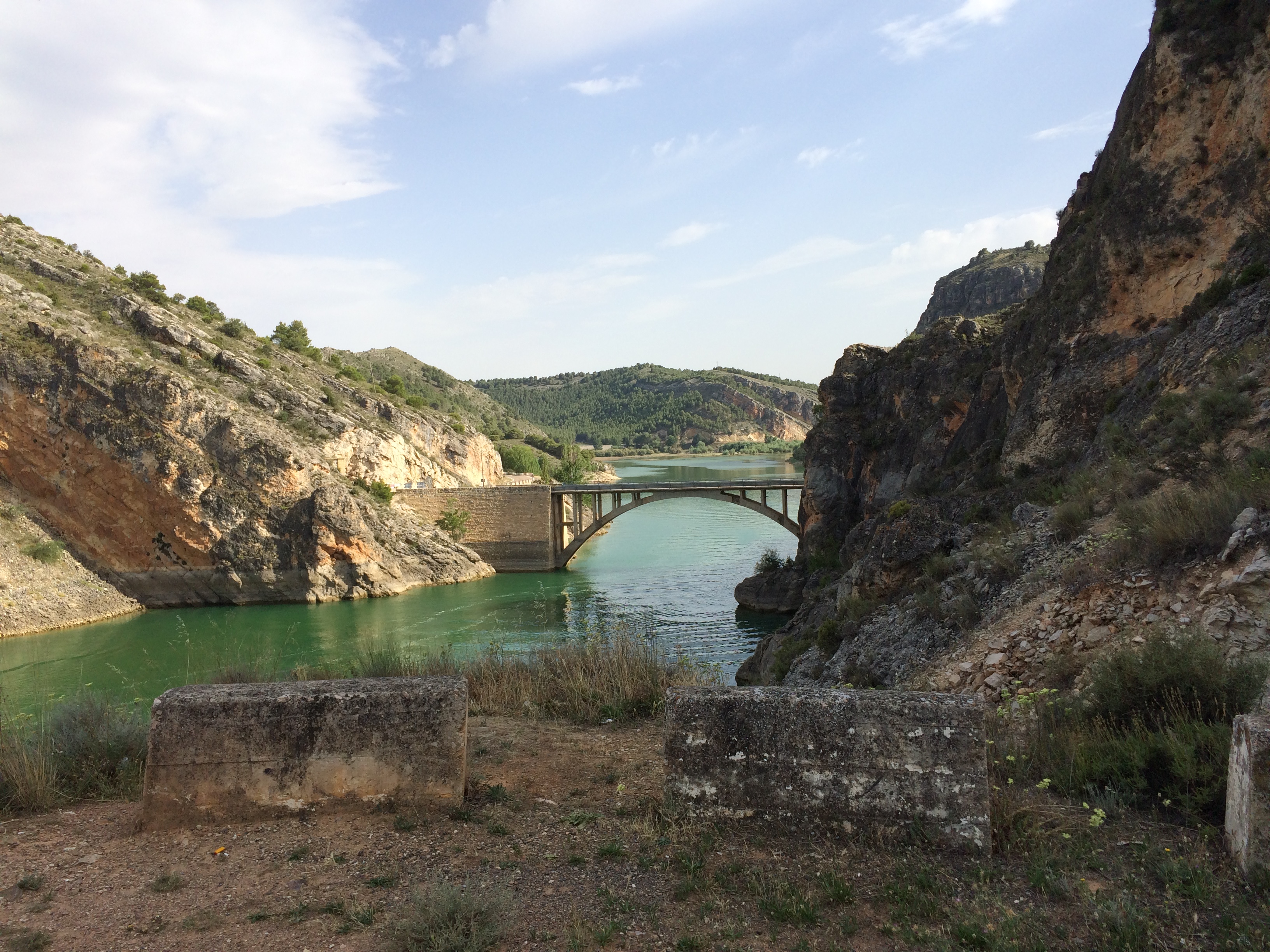
The lake in Nuevalos.  We were also told there were spectacular waterfalls nearby but we were eager to get to escape to the coast.

The lake at Nuevalos. We were also told there were spectacular waterfalls nearby but the temperatures were unbearable and we were eager to get to escape to the coast.

As we leave Nuevalos, we spot two local young women taking photos of each other draped over their car - each to his own!

As we leave Nuevalos, we spot two local young women taking photos of each other draped over their car in the scorching temperatures – each to his own we thought!

We stayed at a comfortable and well-run campsite just outside Taragona (Camping Las Palmeras) and managed to secure a pitch opposite the sea.  Two days were spent cooling down in the sea with a brief foray into Taragona although we both felt we’d reached critical mass with medieval quarters and cathedrals in such unforgiving temperatures. Flavio found that he could be in the sea within 5 mins of waking up in the morning and that was an excellent way to start the day.  There were a few jelly fish but the water was clear enough to see them in good time and avoid them.

The Spanish have taken camping to the next level. Apart from a caravan with awning they have a kitchen tent with stove and fridge freezer, a dining/sitting room tent with flat screen TV, a bathroom tent and other tents with no known purpose.  It seems it’s normal for families to stay in one place all summer with the menfolk leaving their families on Sunday evenings to travel to work, returning the following Friday.

The coast at last - and our breezy campsite right by the sea!

The coast at last – and our breezy campsite right by the sea -the Camping Las Palmeras!

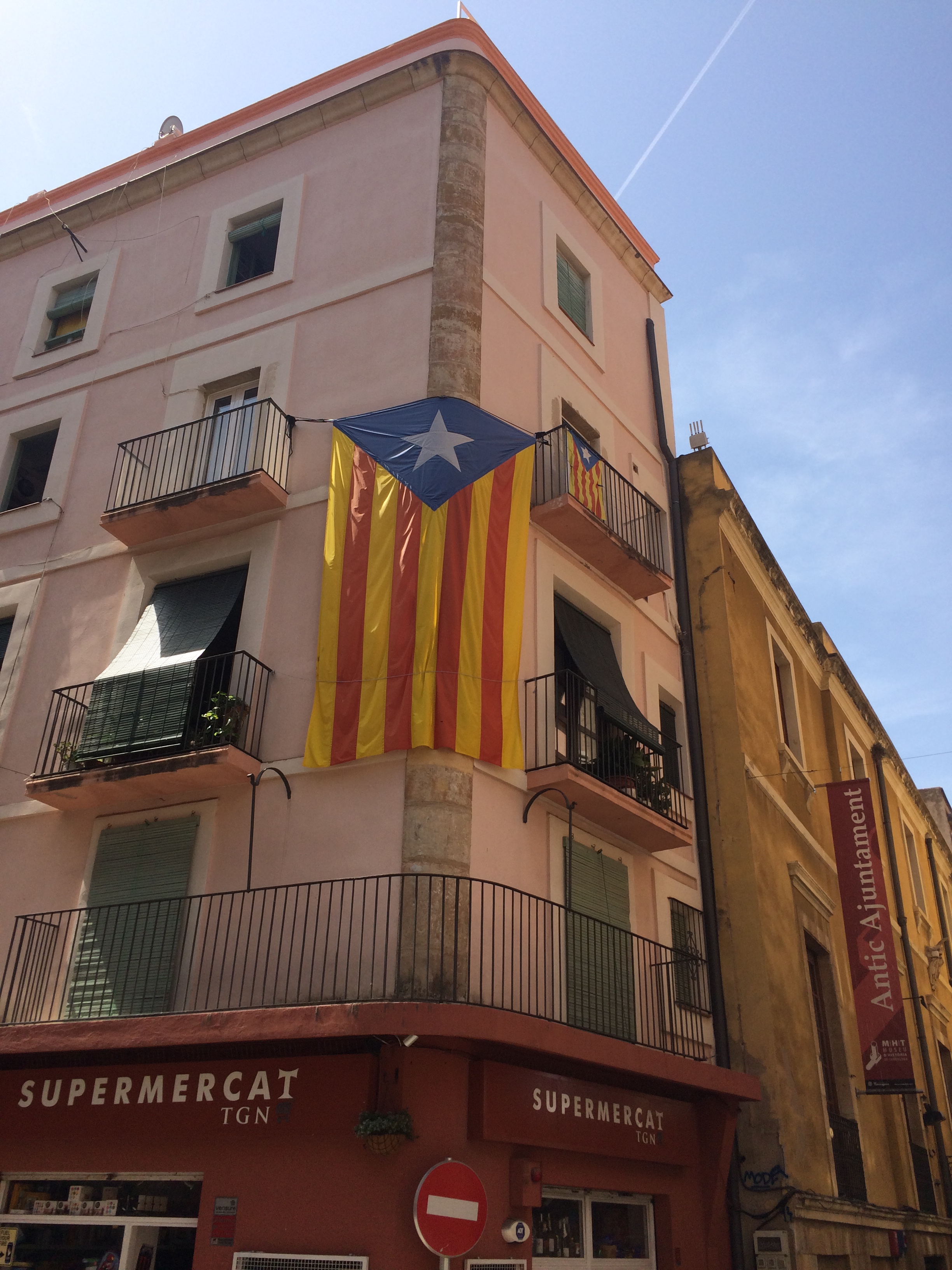
We were now in Catalonia where memories of Franco’s dictatorship are strong, with many tents and   buildings flying the Catalonian independence flag.  We did see some Spanish graffiti warning the Catalans that the Spanish were coming which seemed a little incomprehensible to us as most of the people at the campsite were Spanish.

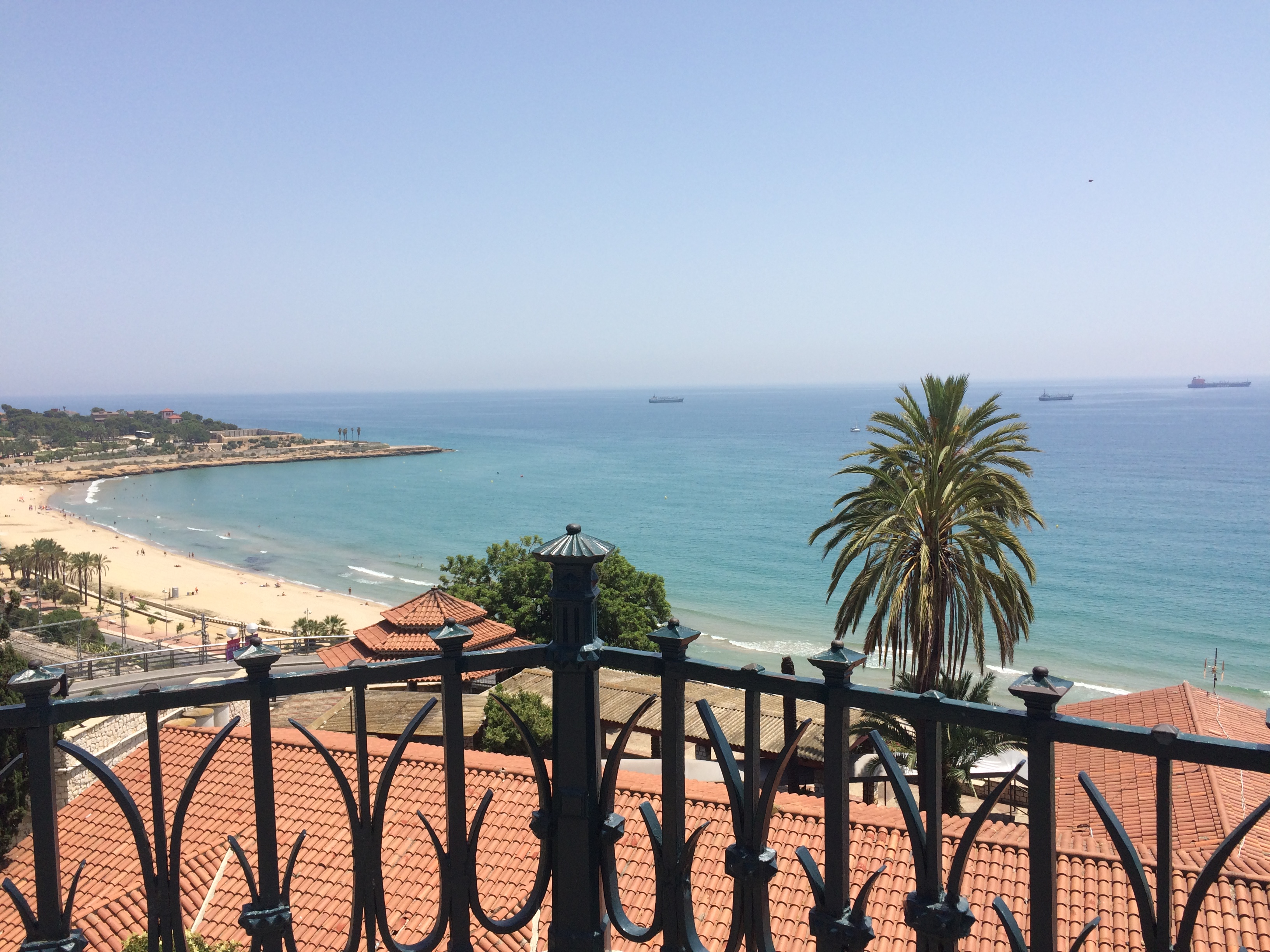
We spent half a day in Tarragona itself, easily accessible from the campsite on the No 12 bus. The first thing that struck us was the stunning view of the sea from a broad balcony at the end of the main boulevard (the Carrer del Comte de Rius).  Tarragona was an important city for the Romans and there are consequently several places of interest dating back to Roman times, like the amphitheater, the Bera Arch and the Scipio Tower.  Not much however is left of the medieval city following its wholesale sacking at the hands of General Suchet’s French and Italian troops in June 1811, after which the city went down from 12,000 to a mere 300 inhabitants and fell into decline.

Much of medieval Tarragona was destroyed during the 3-day 'free sacking' of the city by French and Italian troops in 1811. The last stand by the locals was on the Cathedral steps.

Much of medieval Tarragona was destroyed during the 3-day ‘free sacking’ of the city by French and Italian troops in 1811. The last stand by the locals was on the Cathedral steps.

One of the best things about Tarragona is the wonderful seafront on a slight hill.  In the foreground is the Roman amphitheater.

One of the best things about Tarragona is the wonderful seafront on a slight hill. In the foreground is the Roman amphitheater.

After the sacking ordered by General Suchet, the population of the city dwindled from 12,000 to just 300.

After the sacking ordered by General Suchet in 1811, the population of the city plummeted from 12,000 to just 300.

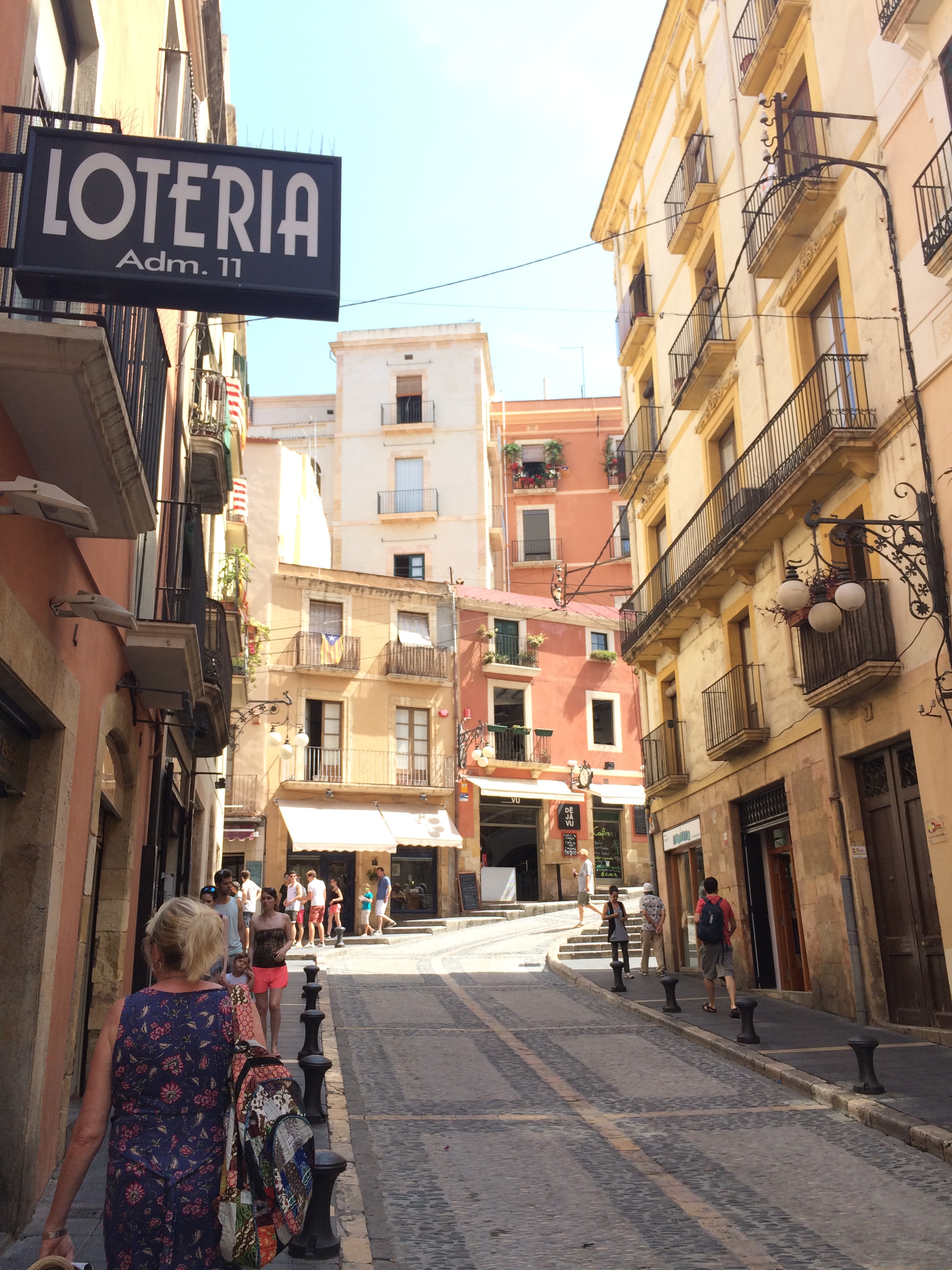
Tarragona is a very pleasant town to spend a day in.

Tarragona is a very pleasant town to spend a day in.

Now Tarragona is a centre of Catalonian independence (thought we did see some Real Madrid shirts for sale!)

Now Tarragona is a centre of Catalonian independence (though we did see some Real Madrid shirts for sale!)

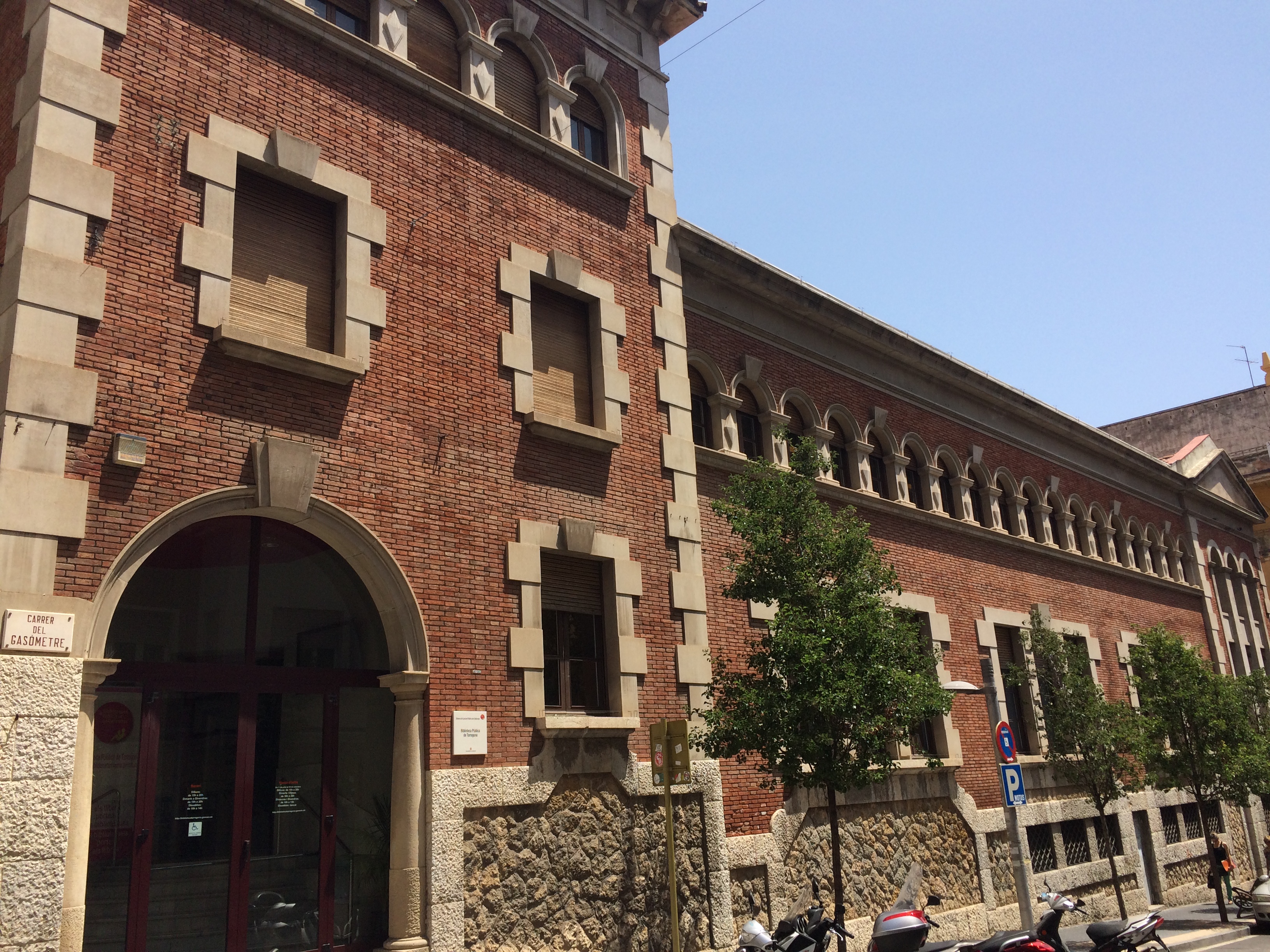
Tarragona's public library - the architecture reminded us of the College Saint Marc in Alexandria.

Tarragona’s public library – the architecture reminded us of the College Saint Marc in Alexandria.

Apart from visiting Taragona and swimming we were following what was happening in Greece.  The ‘No vote’ was a victory for democracy but one can’t help being anxious at the hurt the Greek people are experiencing.

IMG_3725

3r July – the ‘Kingdom of Leon’

Standard
Entrance to the 'Reino de Leon' (Kingdom of Leon).

Entrance to the ‘Reino de Leon’ (Kingdom of Leon).

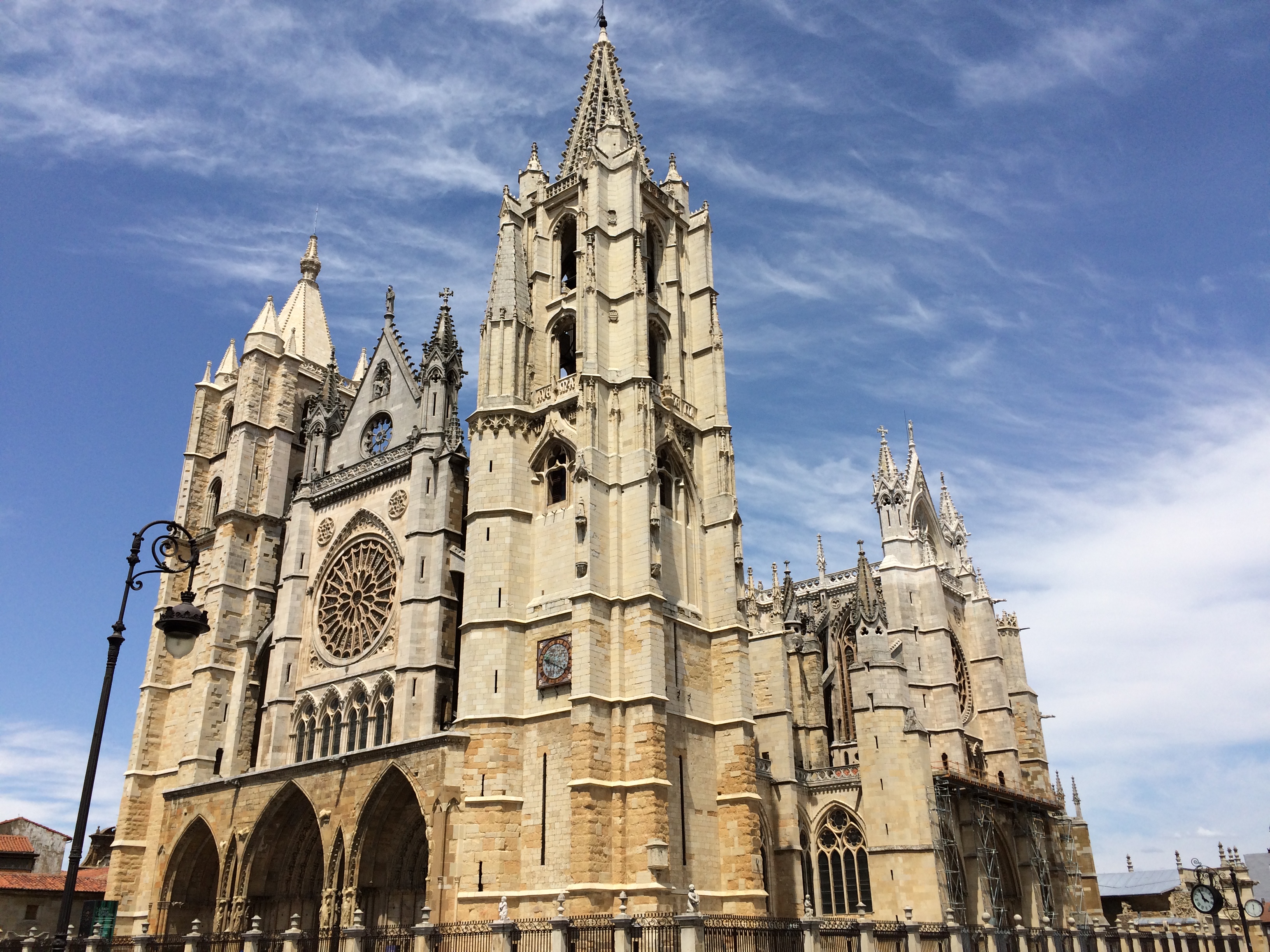
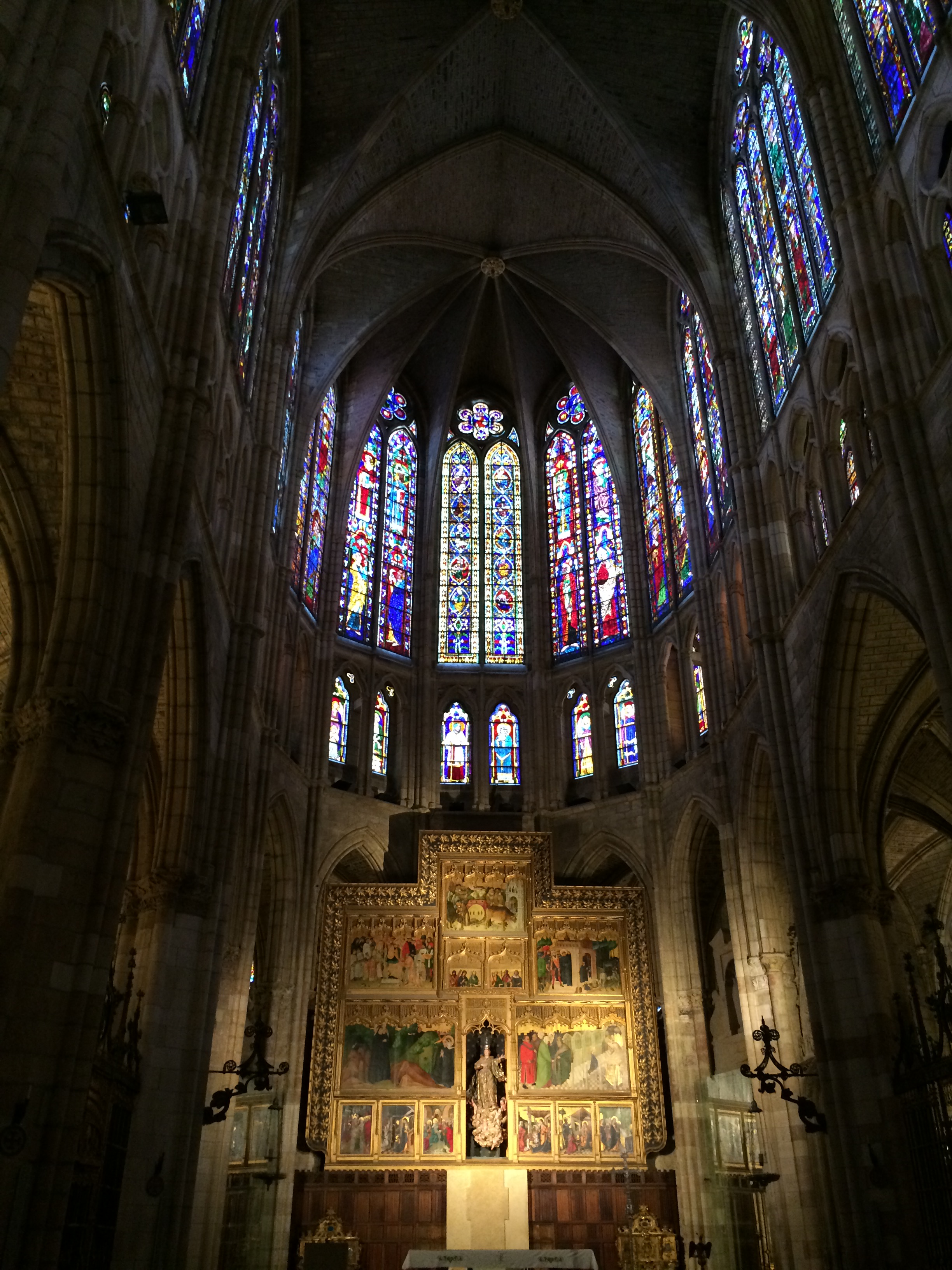
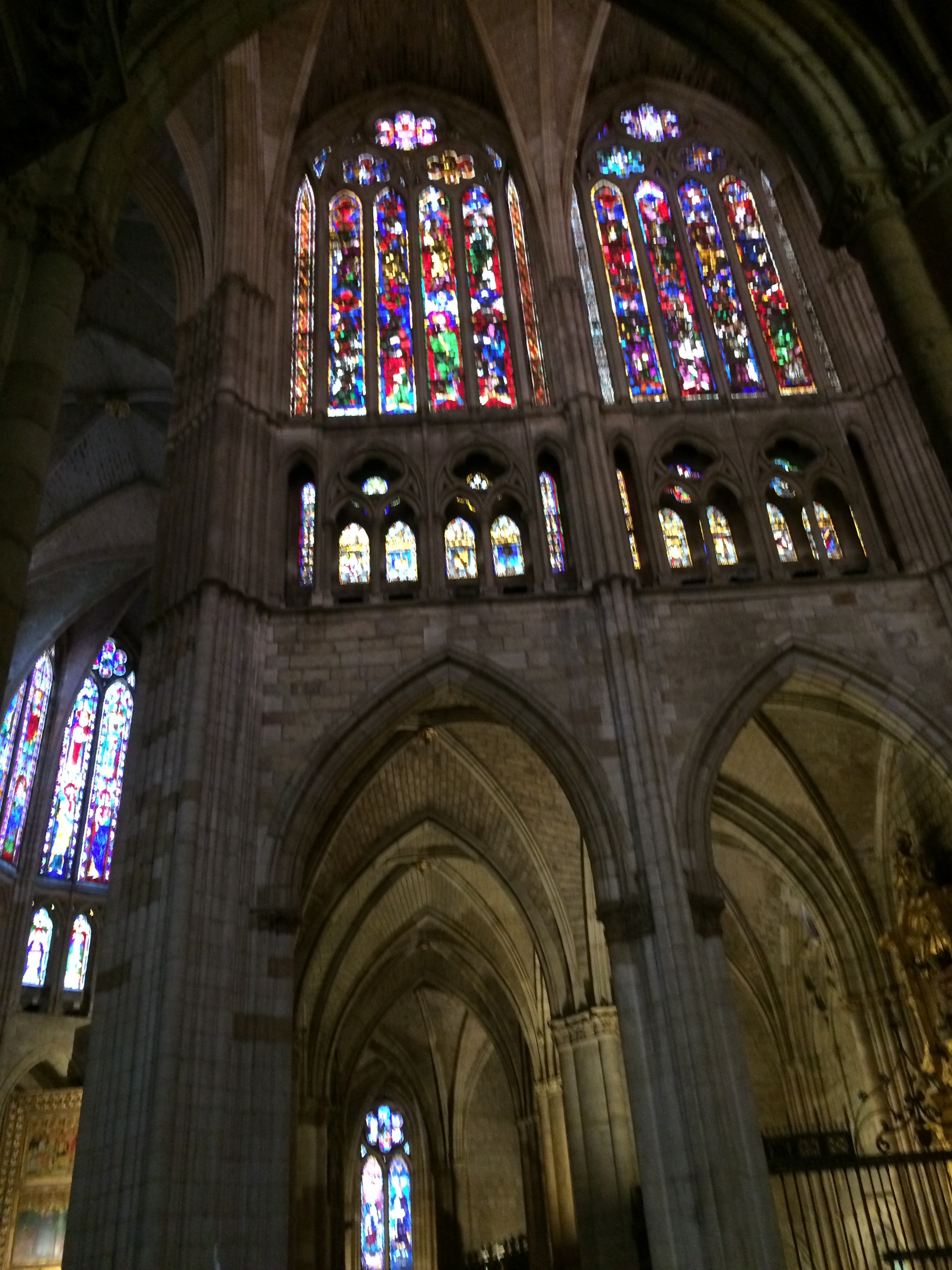
We set off for the city of Leon, to see the legendary Kings of Leon, one of Judith’s favourite bands!  Leon is in an area called the Asturias. Leon is a beautiful city with perhaps one of the most incredible medieval cathedrals we’ve seen so far.  An audio provided on entering was surprisingly informative and sensitive and we were really taken by the narrative – Leon, a city of just 5000 citizens at the time, who built something so incredibly beautiful which would get them nearer to the divine.  The cathedral was built with webbed arches, a revolutionary architectural development at the time which allowed the cathedral to have more windows, allowing more light into the building. This was the ‘classic Gothic’ style, distinctive from the older and gloomier Romanesque cathedrals which had to have stronger walls and smaller windows. Whether you’re religious or not, the stained glass windows in Leon Cathedral make you gasp in wonderment.

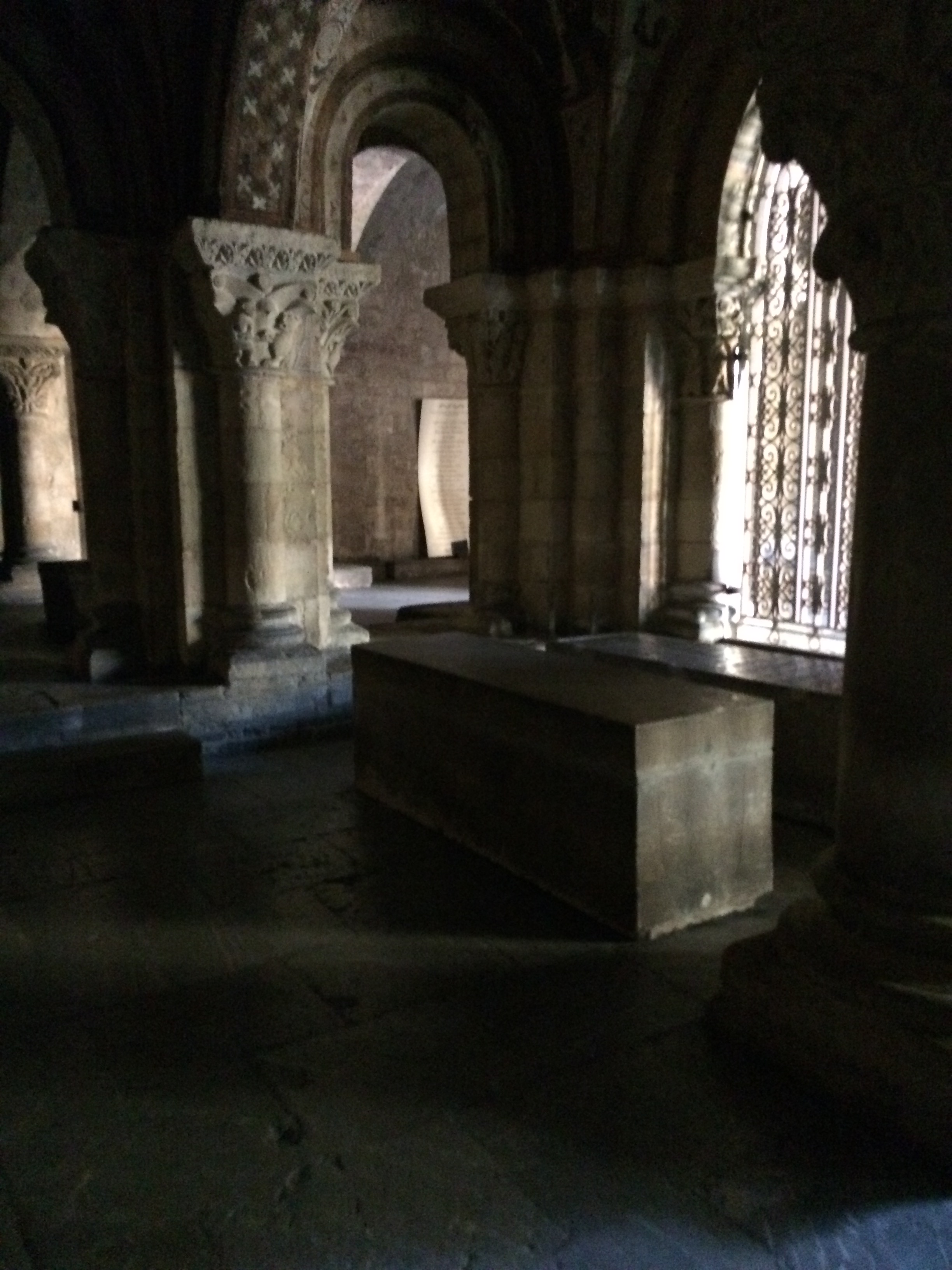
Next stop was the Basilica and the pantheon of the Kings.  23 kings and queens of Leon were interred here.  Their original resting places had been desecrated by France’s napoleonic army, and whatever remains were found were laid to rest here. None of the sarcophagi had identifying markers, just ‘Reis des Leon’.  Entering Leon the road sign said ‘Reino des Leon’ or ‘Kingdom of Leon’, a reference to the fact that Leon was a separate Kingdom on the Iberian peninsula.  Photography was strictly forbidden which is why only two photographs are displayed below😉

IMG_3580

The 'webbed arch' design meant bigger windows letting in more light in an attempt to 'recreate the divine'.

The ‘webbed arch’ design meant bigger windows letting in more light in an attempt to ‘recreate the divine’.

Leon Cathedral was an incredible achievement for a city of just 5000 people at the time.

Leon Cathedral was an incredible achievement for a city of just 5000 people at the time.

The alter-piece in Leon Cathedral.

The alter-piece in Leon Cathedral.

The Pantheon of Kings, where 23 kings and queens of Leon are interred.

The Pantheon of Kings, where 23 kings and queens of Leon are interred.

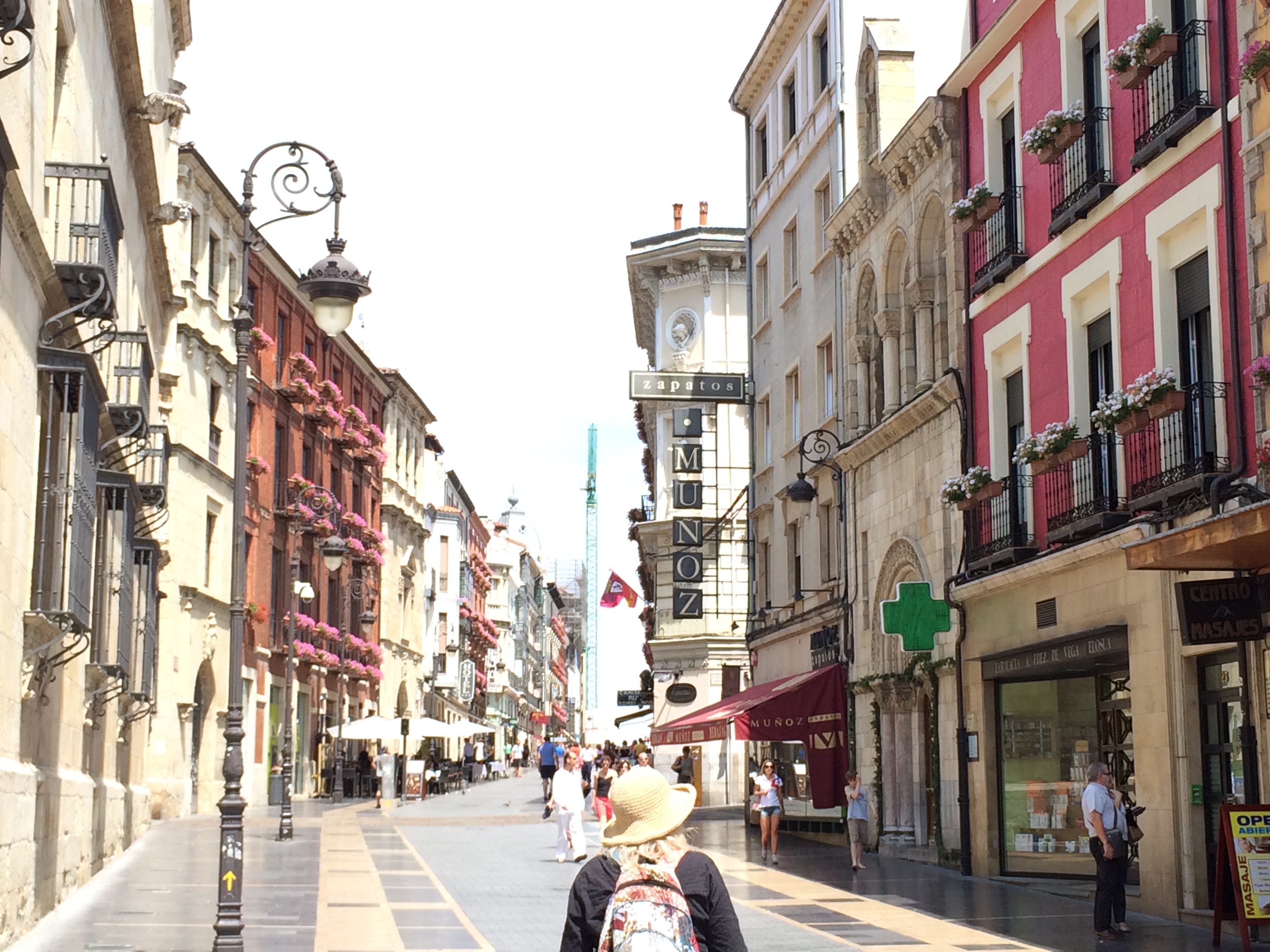
Strolling through the charming pedestrianised streets of Leon.

Strolling through the charming pedestrianised streets of Leon.

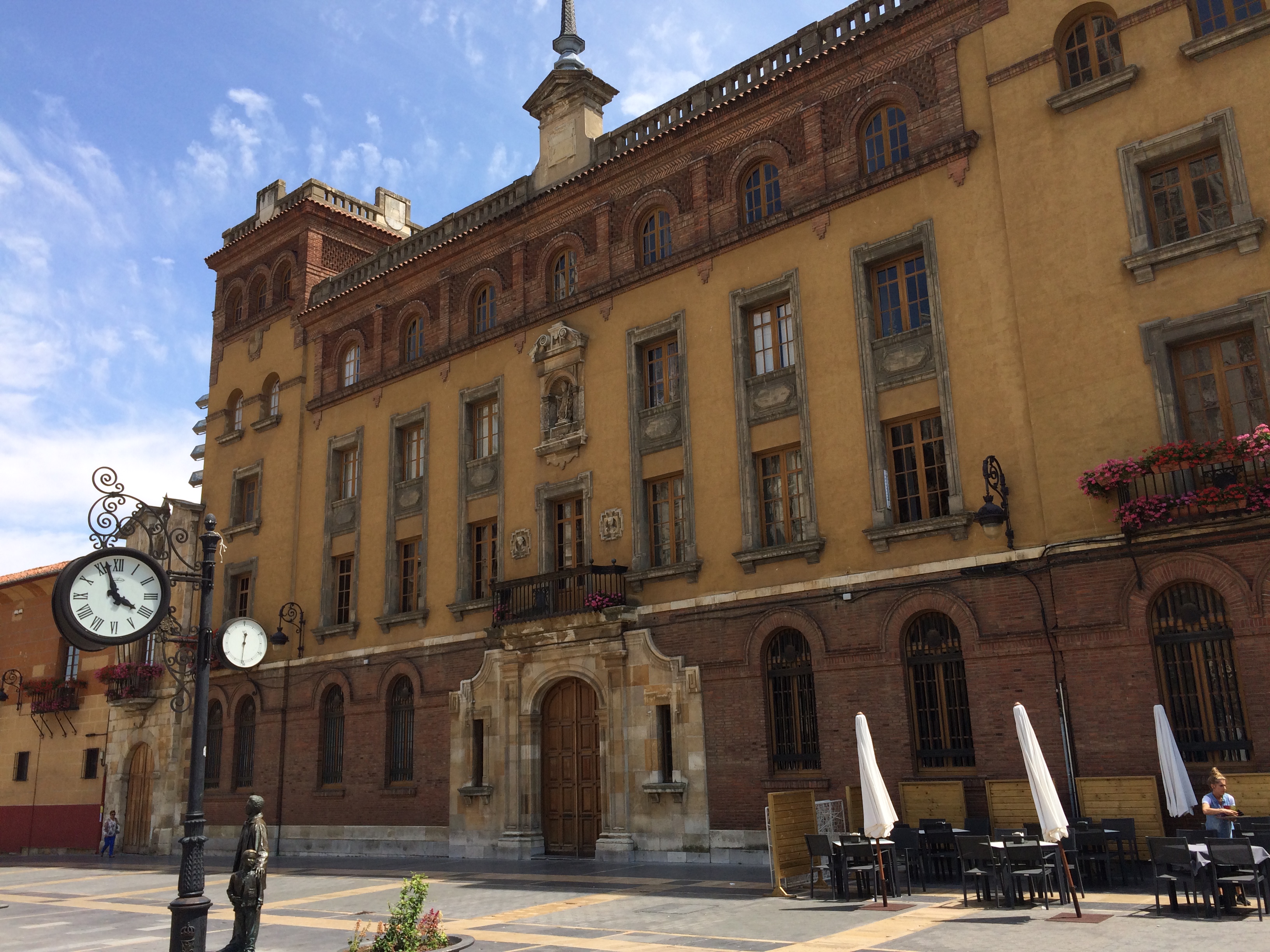
The central plaza in front of the cathedral. Leon is a lovely and relaxing compact little city.

The central plaza in front of the cathedral. Leon is a lovely and relaxing compact little city.

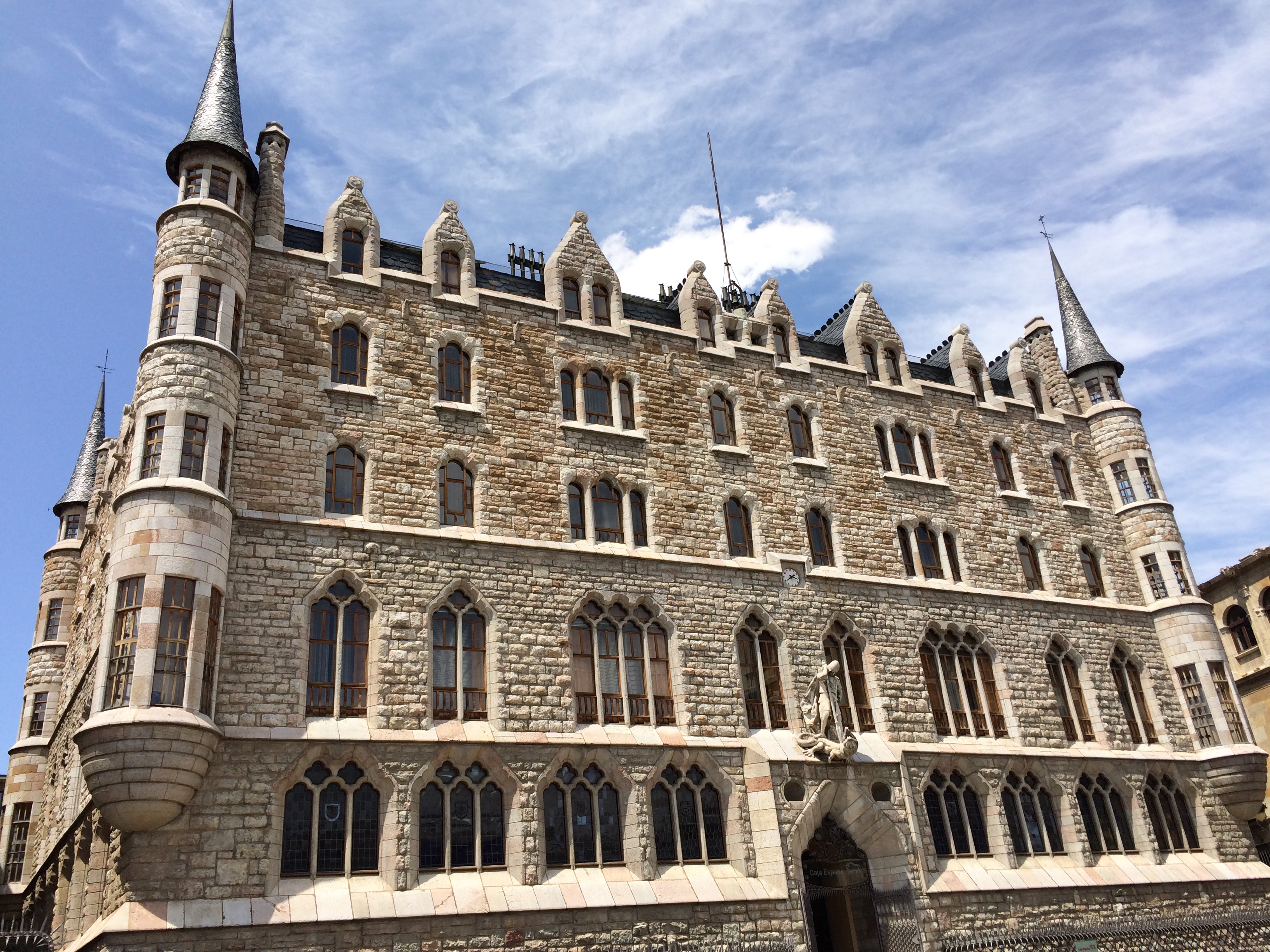
The Casa Botines, designed by Antonio Gaudi.

The Casa Botines, designed by Antonio Gaudi.

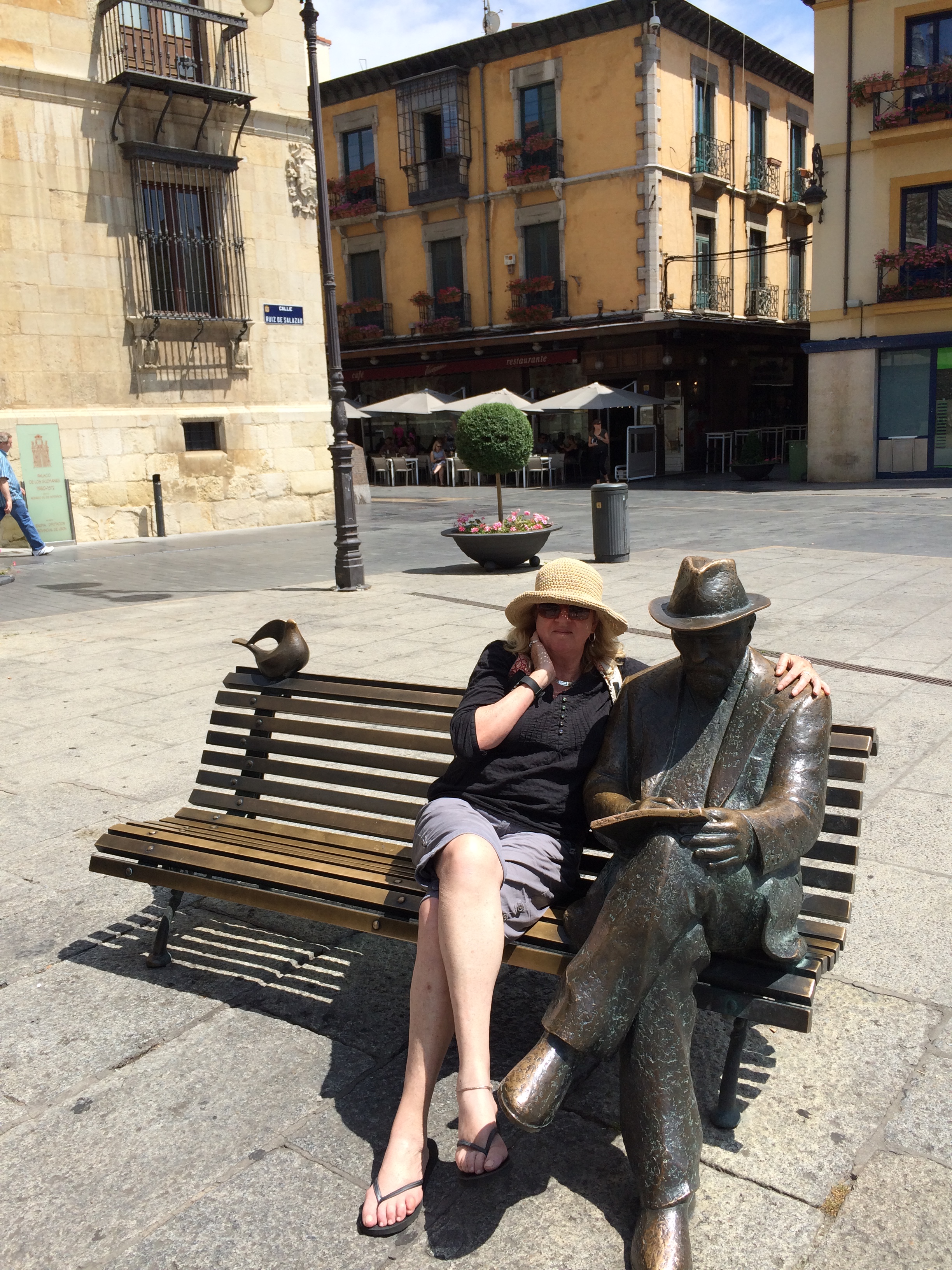
Judith relaxing with Antonio Gaudi in front of the Casa Botines.

Judith relaxing with Antonio Gaudi in front of the Casa Botines.

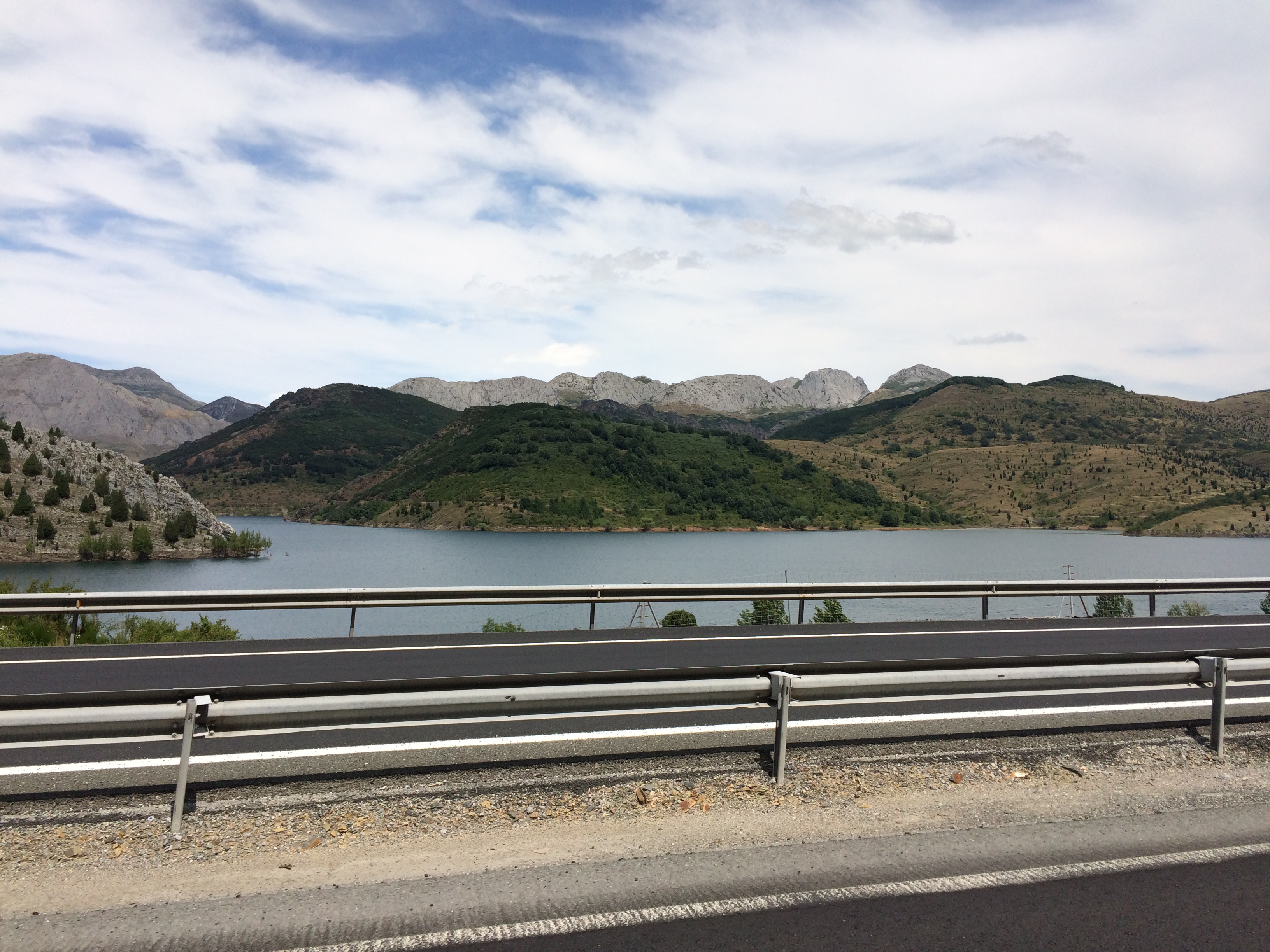
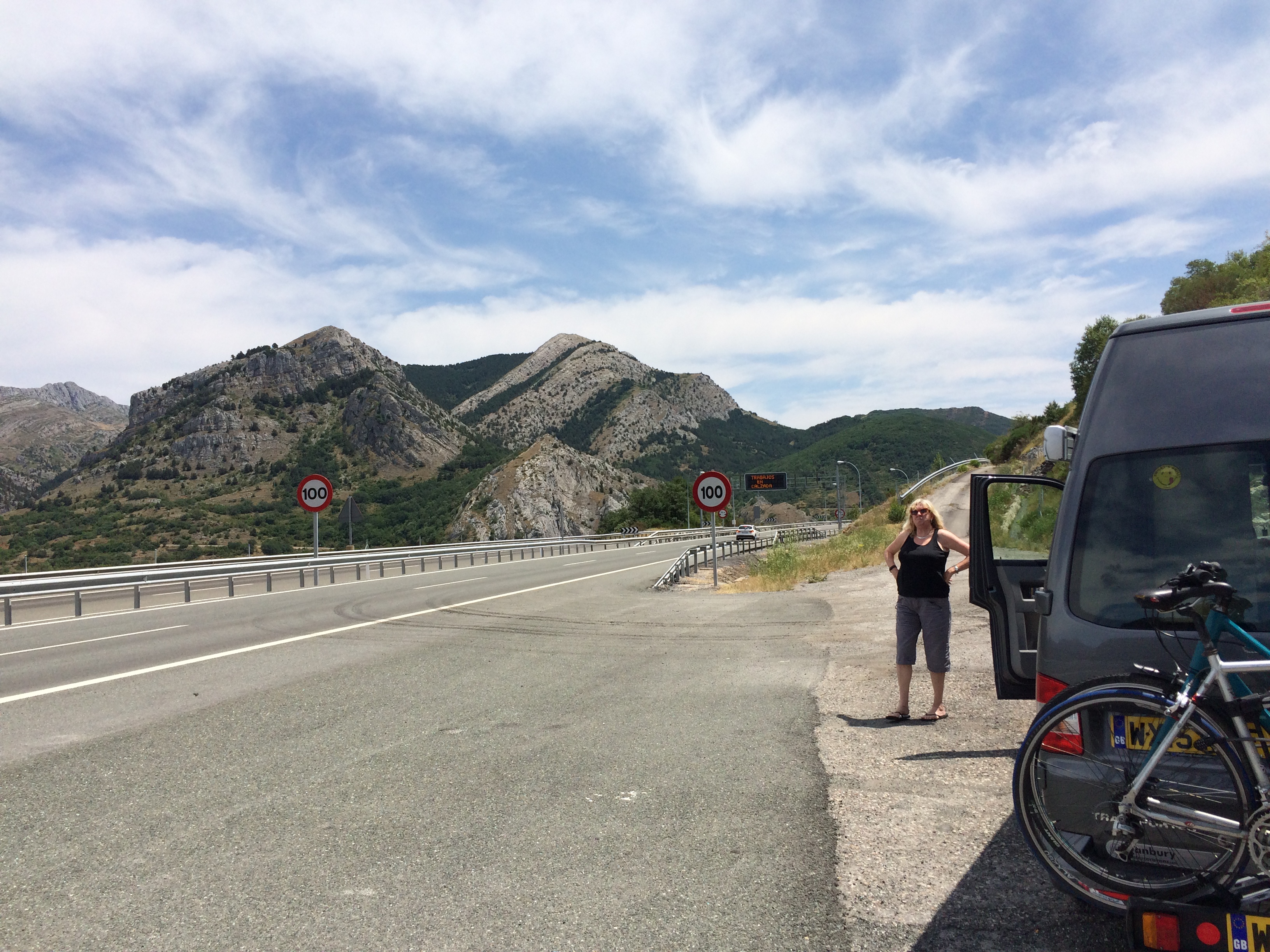
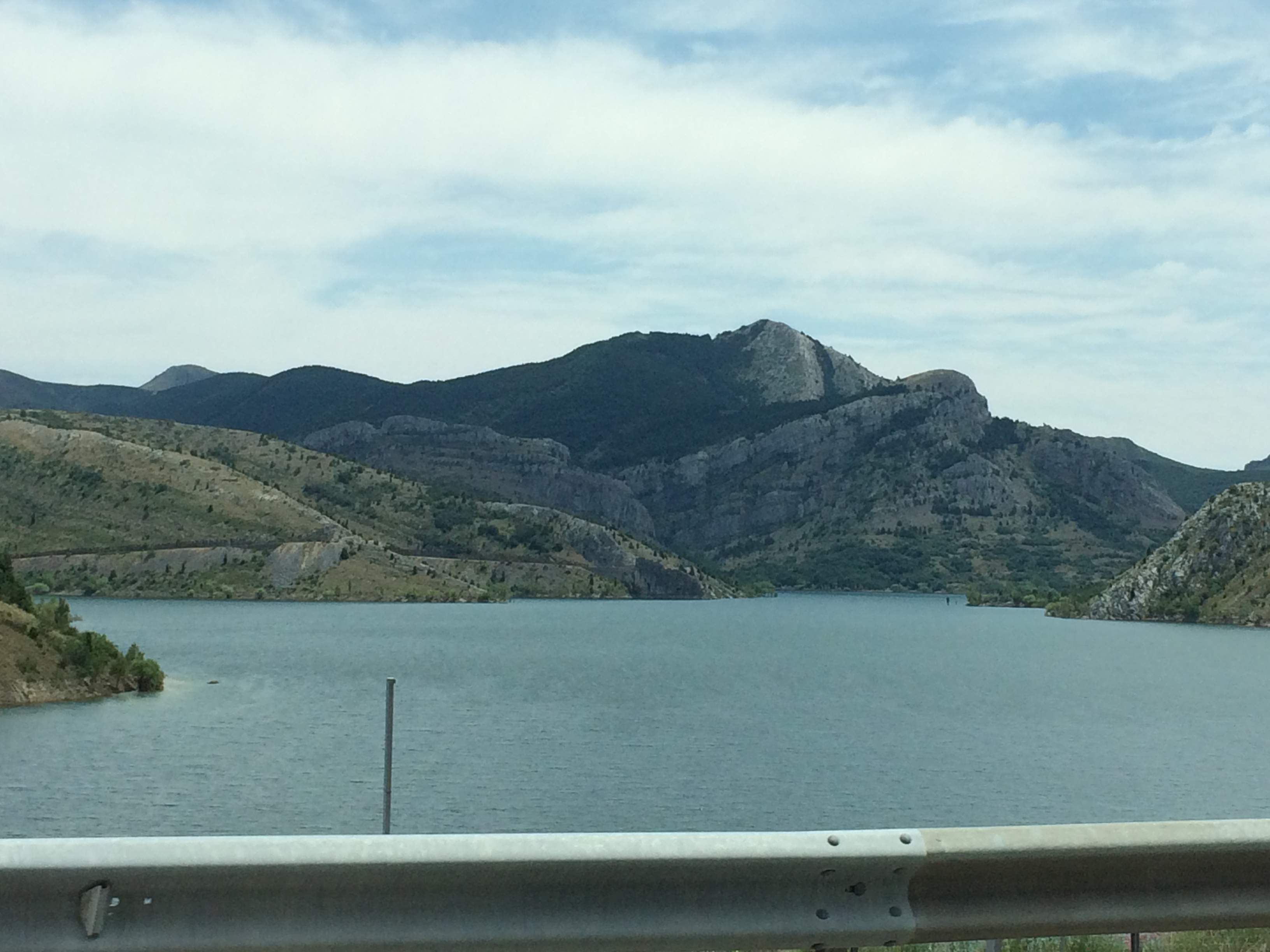
On the way to Leon, we crossed a stupendous area of outstanding beauty called the Sena de Luna (Lunar Scene) and Los Barrios.  The highway through this area of mountains and lakes must have been a major and costly undertaking.  Much of the road wasn’t yet recognized by our TomTom so it must have been completed only recently.  The scenery was Lake District meets Jurassic Park with stunning hills descending straight into perfect calm and blue lakes.  Flavio found the temptation to go down for a swim almost impossible to resist but access from the highway was impossible.

Los Barrios - stunning.

Los Barrios – stunning.

Access to the lakes was impossible from the superhighway.

Access to the lakes was impossible from the superhighway.

IMG_3554

30th June to 2nd July – Cudillero

Standard
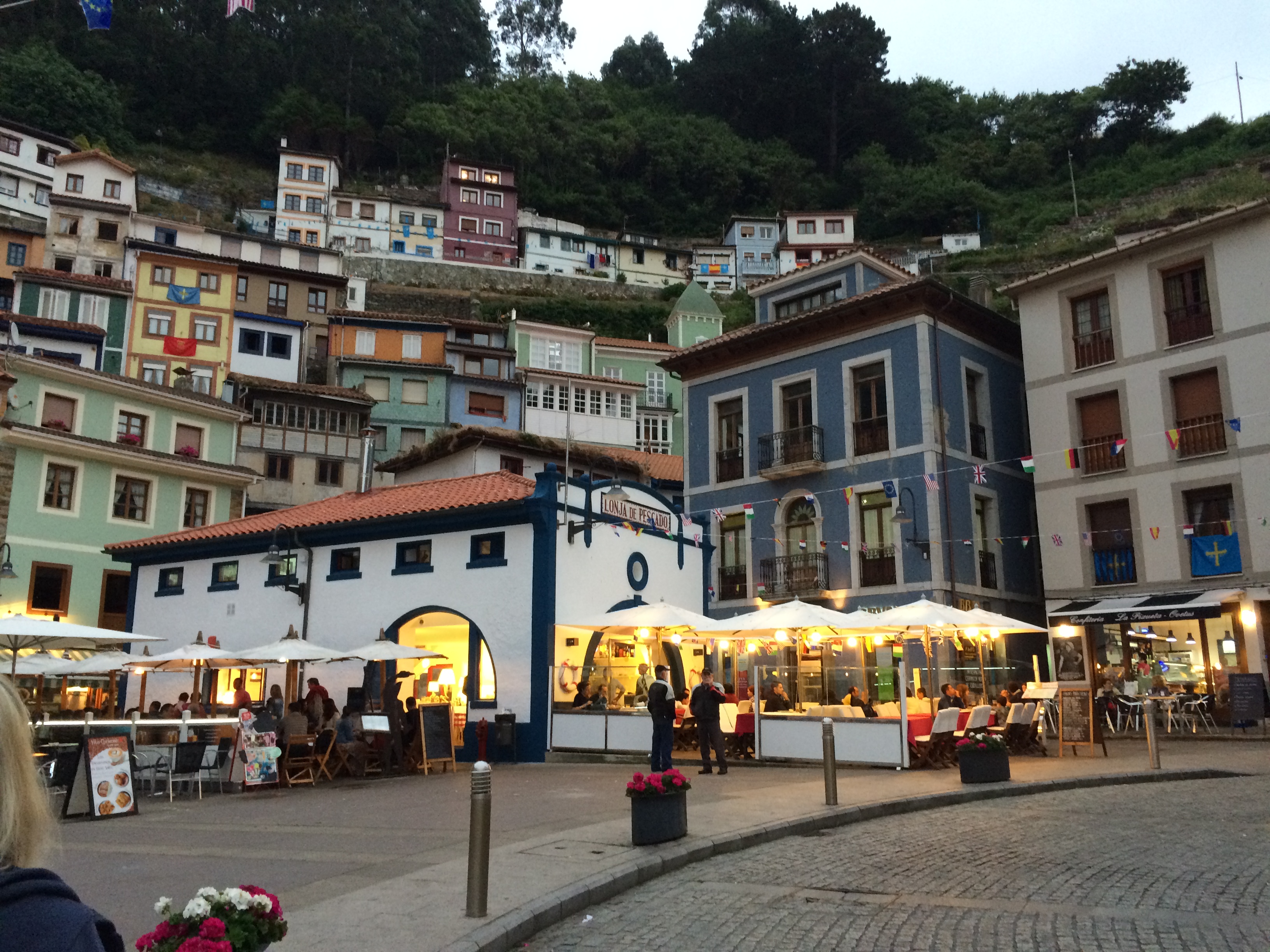
The fishing village of Cudillero.

The fishing village of Cudillero.

Stayed two nights in a lovely little campsite near Cudillero along the north coast.  We were now in the Asturias. The village, a small fishing port a 6 kilometre walk away , seemed very lively.  The streets were full of people singing and dancing in national costume in celebration of the feast of San Pedro (St Peter), the saint of ‘el pueblo’ i.e. the local saint.   We agreed we couldn’t think of a better way to celebrate a saint’s day…..so naturally, we joined in.

The village itself seemed to have fallen on hard times, like most of Spain we’ve visited, with many buildings up for sale and businesses closed.  Despite this everyone seemed to be enjoying themselves and it was here we ate our first paella – correction, it was here Flavio ate his first paella, Judith seemed a bit nonplussed by the claws sticking out of her rice and somehow lost her appetite.  A waiter in the restaurant named Jesus spoke at length about the decline in the village and in Spain as a whole.  He said the fishing industry was being destroyed by EU regulations (interesting concept which I’m sure the Cornish fishermen would like to comment on!), that the division between rich and poor had increased and that Spain was poorer for being in the EU.

Cudillero - pretty but fallen on hard times.

Cudillero – pretty but fallen on hard times.

Celebrating San Pedro's day.

Celebrating San Pedro’s day.

Proudly displaying the Asturian flag - every region in Spain has a strong regional identity.

Proudly displaying the Asturian flag – every region in Spain has a strong regional identity.

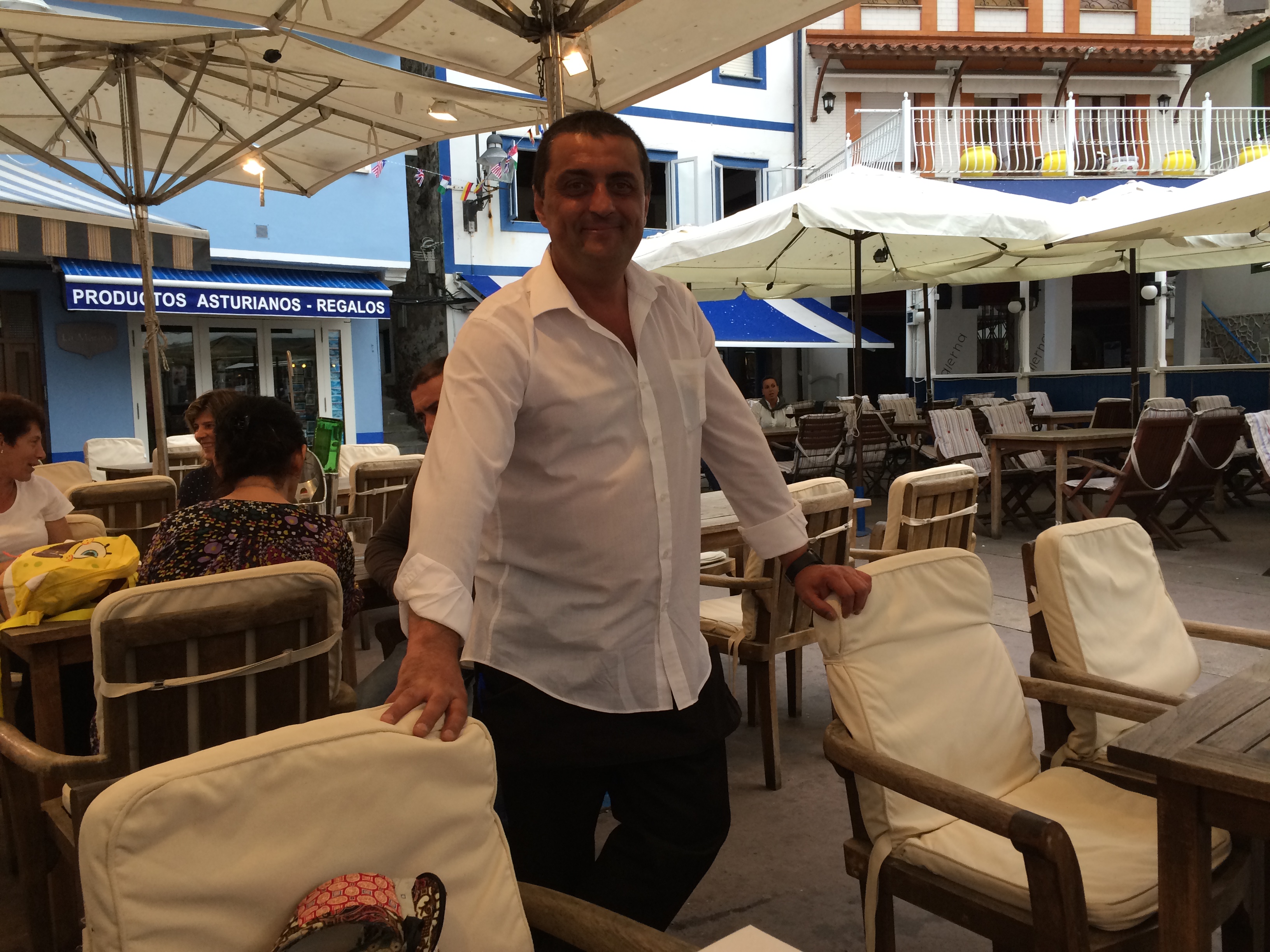
Jesu telling us ordinary Spanish people were better off before the EU.

Jesu telling us ordinary Spanish people were better off before the EU.

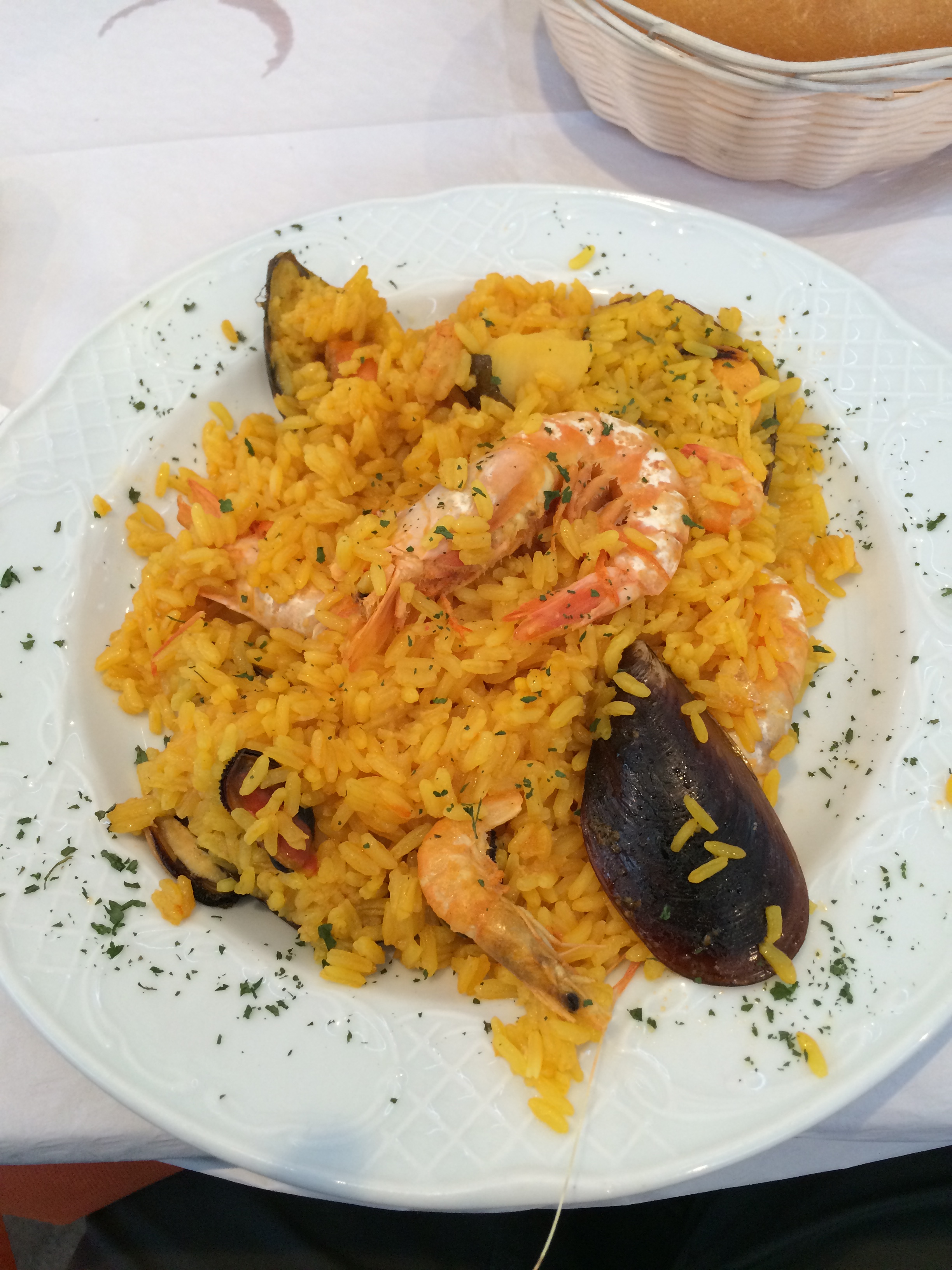
Paella - before..

Paella – a bit fiddly to eat.

IMG_3532

Tuesday 30th June – La Coruna

Standard

Two things stood out for us during our visit to La Coruna (or A Coruna to give it its official Galician name): the Tower of Hercules and the ‘Glass City’.

As well as those, there was a fun, chance encounter with an English teacher singing the praises of Macmillan books and a regional rep working for a well-known but rival publisher to Macmillan.

We couldn’t remember who exactly had told us, if we were going to Santiago, to make sure not to miss out La Coruna, nor whether any specific reasons were offered as to why it would be interesting.

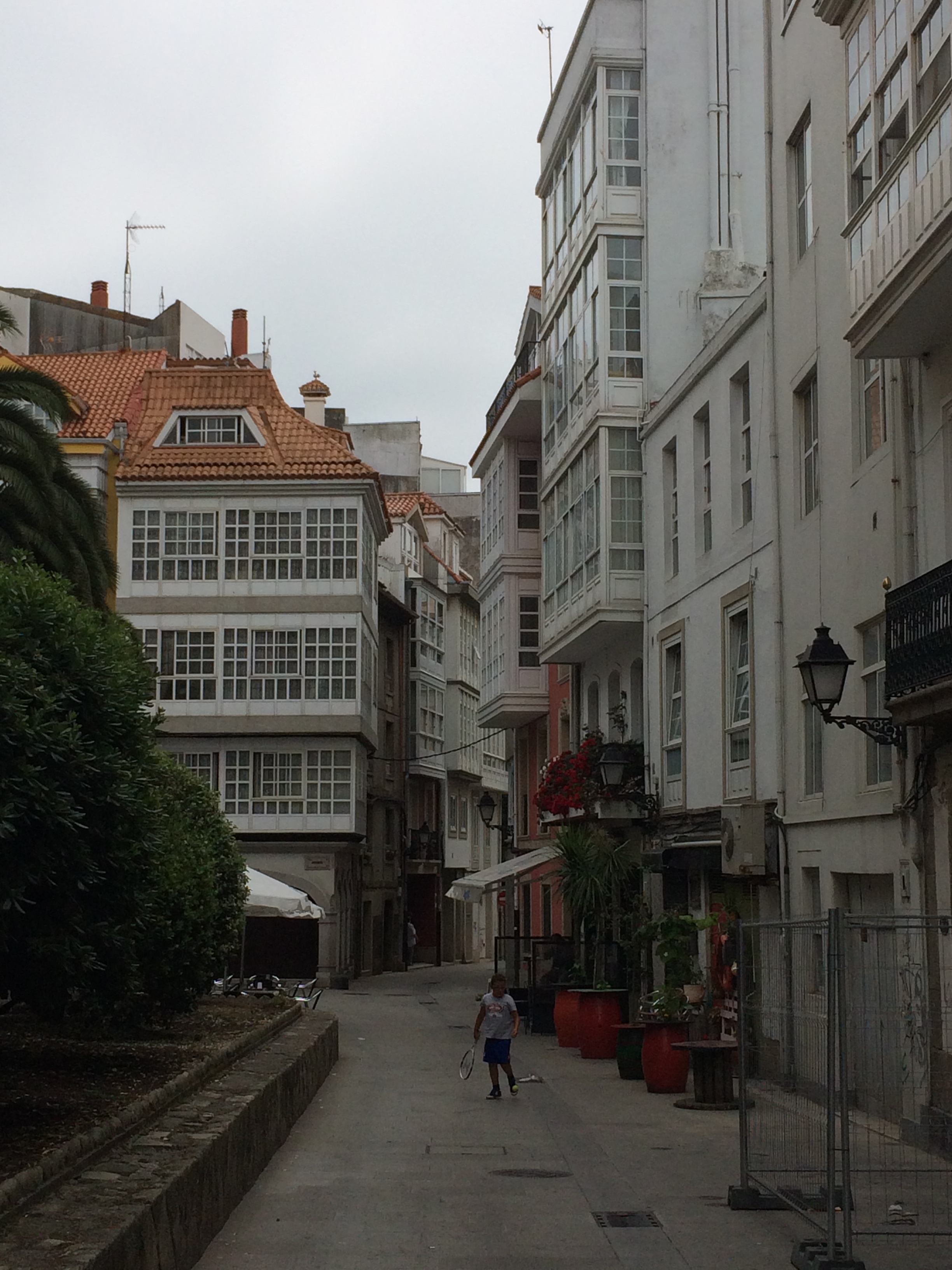
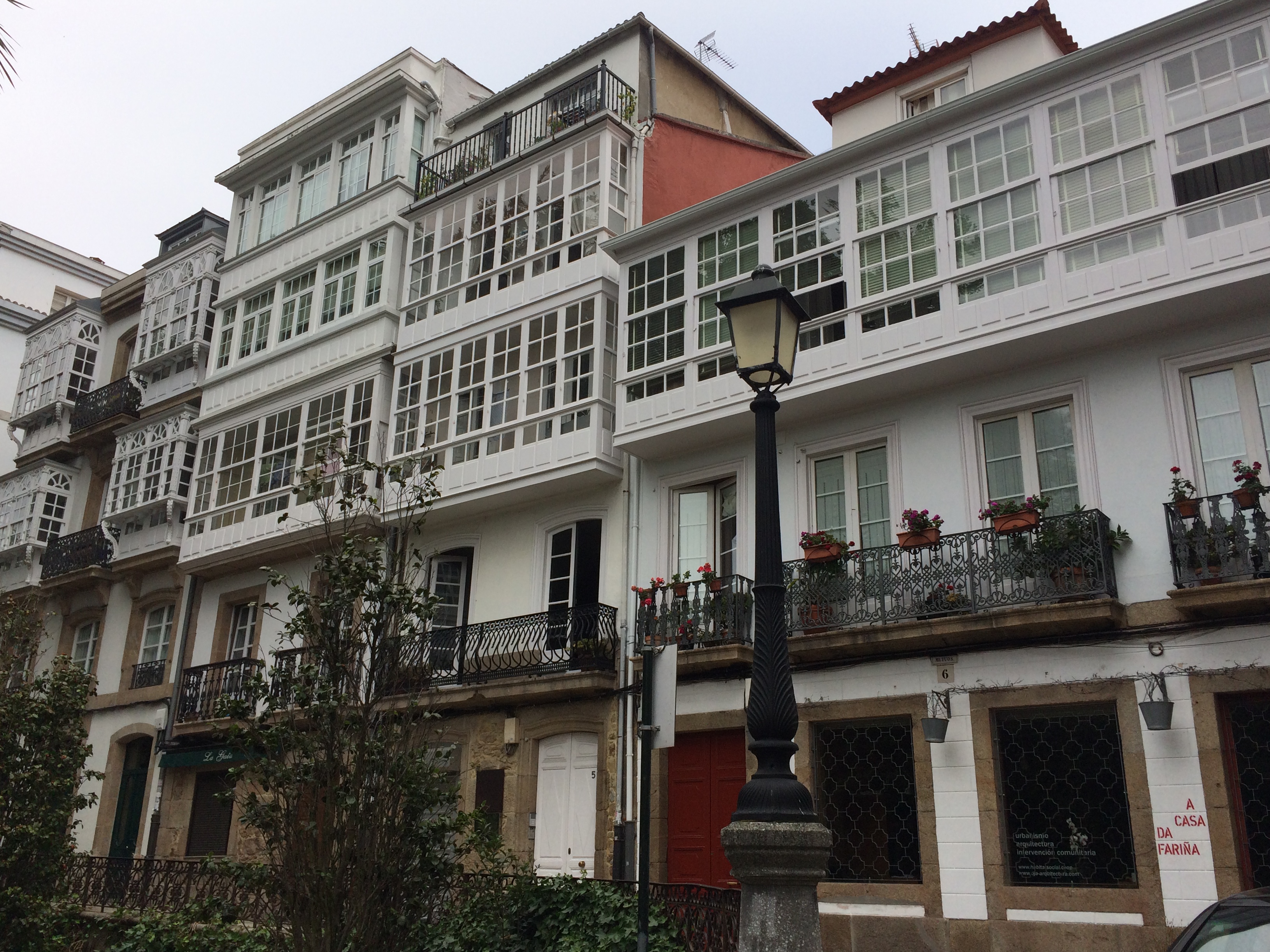
What we found was a city very unlike Santiago, built in the 19th and early 20th centuries in the modernist style rather than medieval but very distinctive nonetheless with its glass-covered balconies or “gallerias”.

La Coruna city centre with typical buildings with glass covered balconies or "Gallerias".

La Coruna city centre with typical buildings with glass covered balconies or “Gallerias”.


Gallerias are reminiscent of the 'Regency' style in England.

Gallerias are reminiscent of the ‘Regency’ style in England.


La Coruna is the second most important city in Galicia and a busy port and important distribution point for agricultural goods in the region.   Called Brigantium by the Romans, it became important to them for maritime trade due to its strategic position.   They built a lighthouse that started as an observation tower called The Tower of Hercules. The town fell into decline after the fall of the Roman Empire and Norman and Viking raids while the Muslims showed little interest in the region. It started prospering again in the 13th and 14th centuries and saw growth in fishing and mercantile business, becoming the capital of Galicia for several centuries before being replaced by Santiago.

Another interesting fact is that it was from nearby Terrol that the Spanish Armada set sail in 1588 for England and Holland.

Before the expulsion of the Jews in 1492, a thriving Jewish community created a rich artistic heritage in the city.

We started by going straight to the Tower of Hercules – no problem spotting it straight away as it rises 55 metres high overlooking the Atlantic. It is said to be modelled on the Pharos of Alexandria and is the oldest lighthouse in the world, having been in constant use since the 2nd century. We were looking at a still functioning structure that was 1900 years old! In 1788, the original 34 metres Roman structure was given a neoclassical restoration including a 21 metre fourth storey. The restoration was ordered as a way of strengthening security in the port thereby contributing to the growth and success of the city.

The 55 metre tall Tower of Hercules.

The 55 metre tall Tower of Hercules.

The oldest lighthouse, modeled on the Lighthouse of Alexandria, and in continuous use for 1900 years.

The oldest lighthouse, modeled on the Lighthouse of Alexandria, and in continuous use for 1900 years.


We paid our 6 Euros to go up the Tower. At each level were information panels telling the history of the lighthouse and the various stages of reconstruction. On the ground floor was the actual enormous stone original oil lamp showing the hole where the giant wick would have been inserted and whose flame would have been reflected by a huge curved metal mirror.

The original Roman giant stone lamp which was used in the lighthouse

The original Roman giant stone lamp which was used in the lighthouse

The view from the top was breathtaking – it was difficult to stay up there for long without getting vertigo. Legend has it that King Breogan, the founder of the Galician Celtic nation, constructed here a tower of such height that his sons could see a distant green shore from its top. The glimpse of that distant green land lured them to sail north to Ireland. These descendants of Breogen and their followers are the Celtic descendants of the Irish people.

View from the top of the Tower of Hercules.

View from the top of the Tower of Hercules.

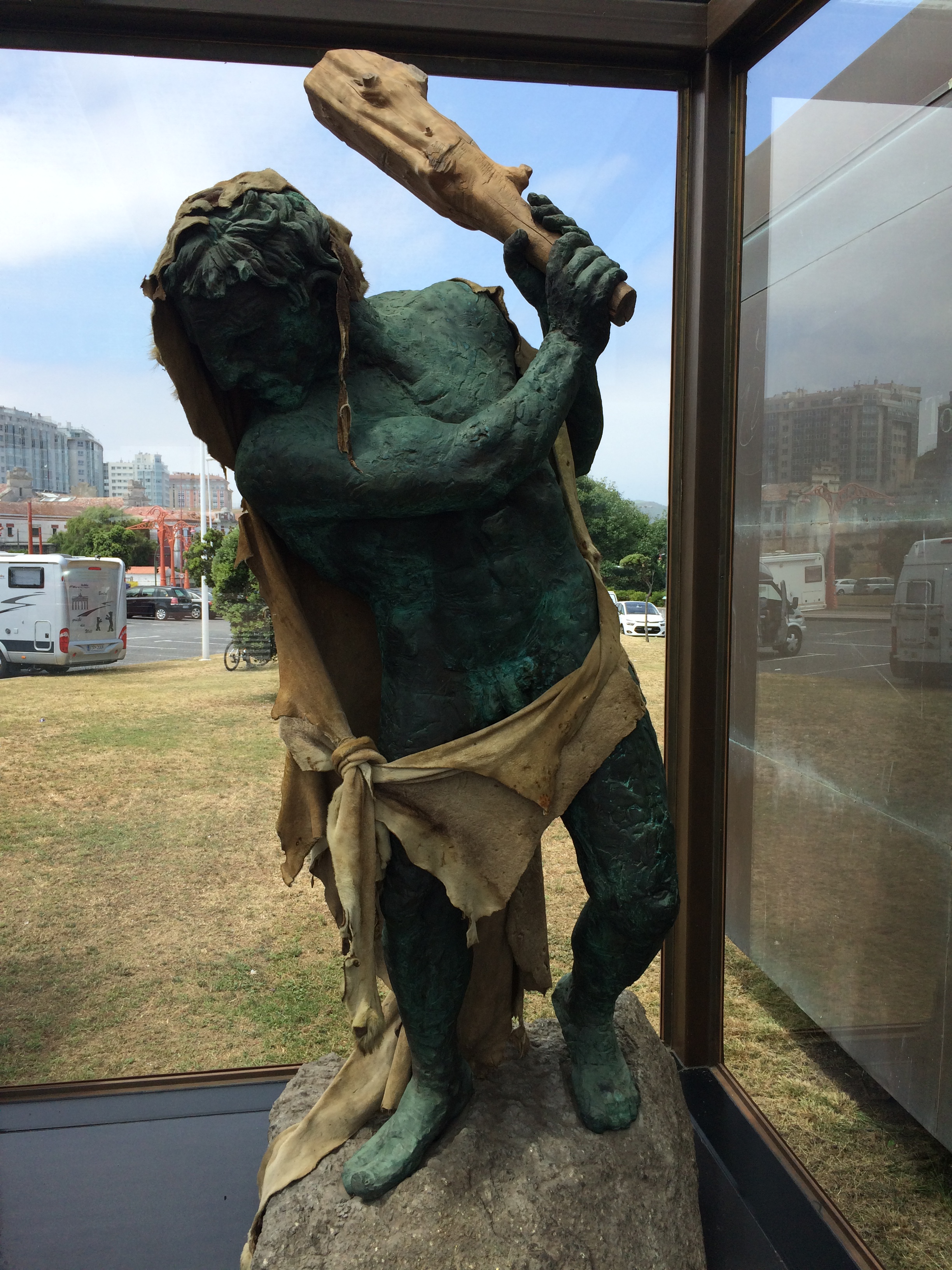
But the more prevalent myth, and the reason it is called the Tower of Hercules, is that it was here that Hercules slew the giant tyrant Geryon after 3 days and 3 nights of battle. Hercules then buried the head of Geryon with his weapons and ordered that a city be built on the site.

According to legend, Hercules slew the tyrant Geryon and ordered that a tower be built on the site.

According to legend, Hercules slew the tyrant Geryon and ordered that a tower be built on the site.

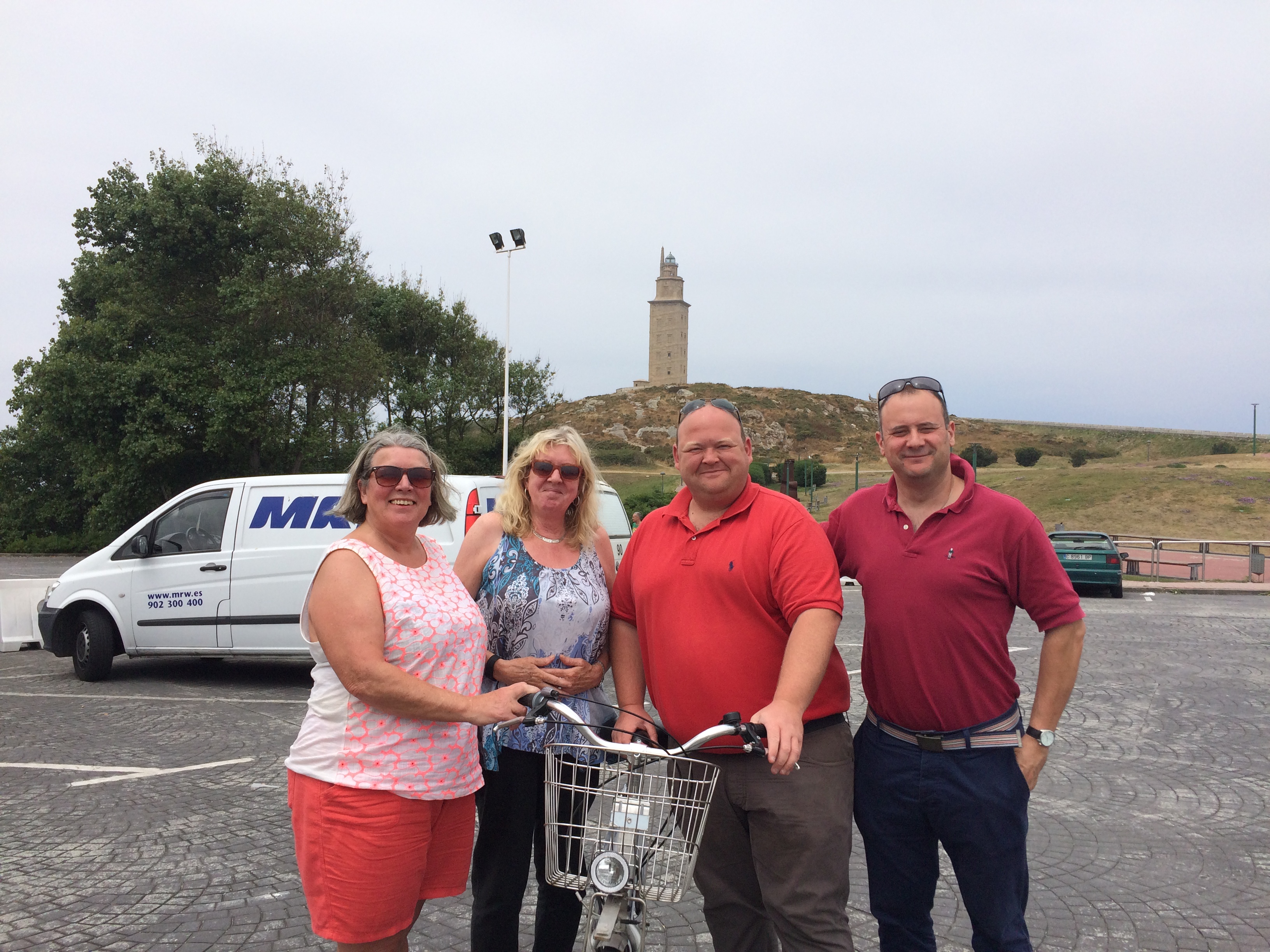
Our visit to the lighthouse complete and almost recovered from our vertigo, we were discussing where exactly to go next when, not sure how or in what sequence exactly, we were suddenly engaged in lively conversation, about several things at the same time, with an extremely friendly and helpful group of people that had gathered around Brenda. First there was Sharon and friend, who were showing interest in Brenda and Judith was giving a mini-tour (it’s the only kind really with a campervan). Then Carlos the English teacher was kindly offering advice on everything local and Galician. Then Luke the publisher’s rep was called over when I asked a specific question about which town we should visit next, Gijon or Leon. Luke was the expert because they were in his territory. “So hard to say. They’re my two favourite places!” “Gijon is a carbon-copy of Coruna but better.” Carlos looks mildly hurt. “Carlos doesn’t agree because he’s from Coruna, ha ha”. “What do you think of La Coruna?” asks Carlos. “Um, we’ve only seen the lighthouse so far”.

“Ah, you like Radiohead – manic depressive music – Carlos likes Radiohead” interrupts Luke. After lots more bonhomie and laughter, a photo taken and blog details given, we left cheered up to take a quick look round the centre of town.

The friendly 'locals' Carlos, Luke and Sharon who spared no effort with their friendly advice.

The friendly ‘locals’ Carlos, Luke and Sharon who spared no effort with their friendly advice.

Our impressions were that Coruna was not a very touristic place but relaxed with great little restaurants dotted around the place but what stood out most of all were the ‘gallerias’. A ‘galleria’ is a balcony that is enclosed in a glass frame protecting it from cold winds and making it usable all year round. The reason they’re prevalent in Coruna is first because a large part of the city is modernist and was built in the 19th and early 20th centuries and this style was popular then (it is in fact reminiscent of the ‘Regency’ style in England). And secondly it’s because the original fishermen’s houses that lined the harbour were built in this way and subsequent structures continued this style.

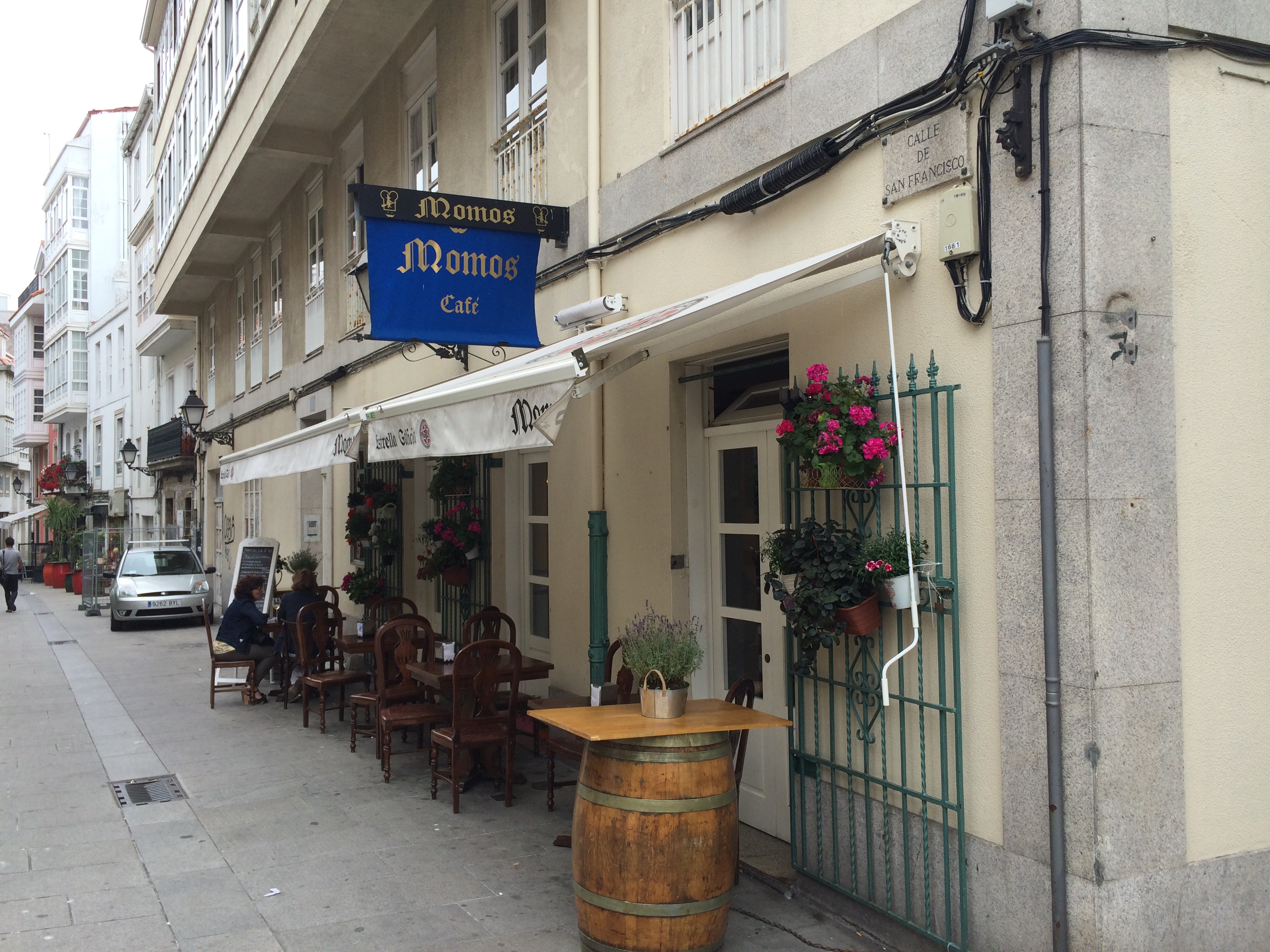
Plenty of good local gastronomy.

Plenty of good local gastronomy.

Typical building on the corner of the harbour front.

Typical building on the corner of the harbour front.


We spotted gallerias here and there as we walked around. But when we reached the harbour front area on Marina Avenue, we realized why Coruna was nicknamed ‘Cidade de Cristal’ (Glass City). The sky was overcast when we were there but apparently on a clear day, when the sun faces the harbour, the reflection from all the gallerias can be blinding. This area is called “Gallerias Corunesas”.

So to go back to Carlos’s and Luke’s question, the answer was of course that we left La Coruna with very pleasant memories of a relaxing half day gazing at what the Lighthouse of Alexandria could have looked like and a multitude of glass balconies, but made infinitely more pleasant by our jolly meeting with him and Luke et al at the foot of the Tower of Hercules.

IMG_3471